


Mumbai, Aug 20: World Mosquito Day is observed annually on August 20th, for increasing awareness related to mosquito-borne illnesses, and encouraging preventive health practices, promoting early diagnosis as well as treatment. Mosquitoes are small creatures; however, they are known for causing some of the most life-threatening diseases in the history of humankind, such as dengue, malaria, chikungunya, and others.
The objective of World Mosquito Day is to spread more awareness surrounding prevention of mosquito bites, eradicating mosquito breeding sites, and raising more awareness about mosquito-borne diseases.
Certain factors have led to a rise in mosquito habitats, such as swift urbanisation, climate change, poor sanitation, stagnant water, and elevated travel, which increases the importance of prevention. World Mosquito Day reminds us that it is important to take effective steps to protect ourselves from mosquito borne diseases and take the required measures to prevent the breeding of mosquitoes, since even a small mosquito bite can pose a potential risk to our lives.
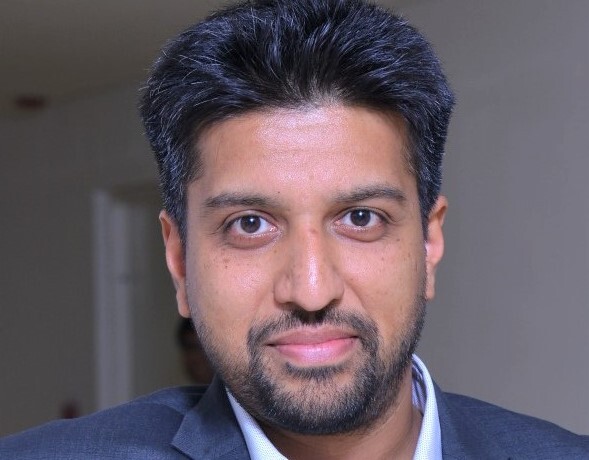
Sharing his thoughts on the occasion of World Mosquito Day, Gaurav Verma, Chief Business Officer at PharmEasy (API Holdings) said:
“World Mosquito Day is an important reminder that mosquito-borne diseases such as dengue, malaria, chikungunya and others continue to be a significant public health concern, particularly during the monsoon. What makes these illnesses especially challenging is that their early symptoms can often appear similar to a common viral fever, making it easy to overlook the need for timely testing and medical attention. At PharmEasy, we have been working to encourage a more informed approach to fever through our ‘You Think It’s Viral?’ campaign, urging people to look beyond assumptions and take persistent or high fever seriously. Awareness, timely testing and the right medical guidance can play a critical role in identifying mosquito-borne infections early and avoiding complications. As healthcare becomes increasingly technology-enabled, we believe our role extends beyond providing access to medicines and diagnostics. It is also about helping people make better-informed health decisions. Our message is simple: don’t dismiss a fever or rely on guesswork. Know the risks, recognise the symptoms, get the right diagnosis and take the right step at the right time.”
There is a heightened risk of mosquito-borne diseases during the monsoon season due to the rapid increase in mosquito populations and breeding sites created by stagnant water. This risk can be significantly reduced through community-level interventions, regular inspections and monitoring to identify mosquito breeding sites and contributing factors, and timely preventive measures. Close collaboration between local civic bodies and health departments, along with active community participation, can play a crucial role in curbing the transmission of mosquito-borne diseases.