The quality of water is a critical concern for human health, agriculture, aquaculture, and environmental sustainability. A key indicator of water quality is pH, which measures the acidity or alkalinity of a solution. The term pH stands for “potential of Hydrogen,” and it is expressed on a scale from 0 to 14. A pH of 7 is neutral, values below 7 indicate increasing acidity, and values above 7 denote alkalinity. Maintaining the right pH level is essential to ensure water is safe, healthy, and suitable for its intended use.
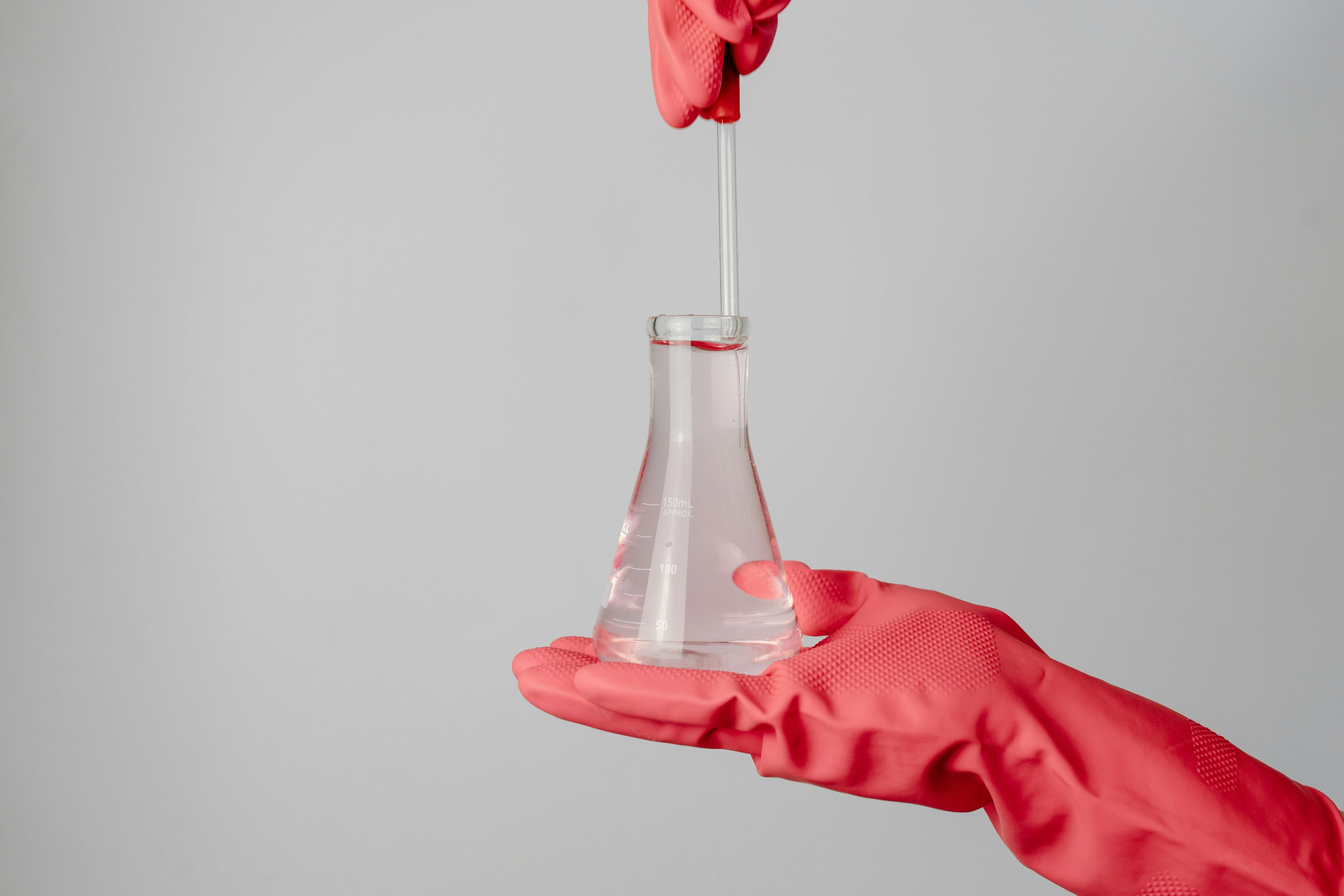
The Importance of pH Testing
Human Health
For drinking water, maintaining a balanced pH is vital. Acidic water (pH < 6.5) can corrode pipes, leaching harmful metals like lead and copper into the water, while highly alkaline water (pH > 8.5) may affect nutrient absorption and gastrointestinal health. Regular pH testing, such as through a water testing lab in Bhubaneswar, ensures that water meets safety standards, protecting the community from potential health hazards.
Agriculture
Soil and irrigation water pH significantly affect crop growth. Most crops prefer a slightly acidic to neutral pH (6–7), which optimizes nutrient availability. Acidic soils can increase toxic elements like aluminum and manganese, while alkaline soils can lock up essential nutrients such as iron and phosphorus. Regular pH testing allows farmers to apply corrective measures, such as lime or sulfur, to maintain soil fertility and maximize crop yields.
Aquatic Life
Water pH directly impacts the survival and growth of aquatic organisms. Most freshwater species thrive between pH 6.5 and 8.5. Deviations can increase toxicity of pollutants, reduce nutrient availability, and disrupt ecosystems, affecting fish, invertebrates, and plant life. Maintaining stable pH levels ensures biodiversity and ecological balance.
Recreational Water
Swimming pools and other recreational water bodies require controlled pH levels (typically 7.2–7.8) to maintain effective sanitation and prevent skin or eye irritation. Improper pH can compromise disinfection and pose health risks to users.
Understanding the pH Scale
The pH scale is logarithmic, meaning each unit represents a tenfold change in hydrogen ion concentration. Acidic water results from dissolved carbon dioxide, organic matter, or pollutants, while alkaline water often contains minerals such as calcium and magnesium. Water that is too acidic can corrode plumbing and harm aquatic life, while overly alkaline water may taste unpleasant and reduce the effectiveness of cleaning agents. Maintaining pH between 6.5 and 8.5 is generally considered safe for human consumption, agriculture, and aquatic ecosystems.
Methods of pH Testing
Monitoring pH is essential and can be done in several ways:
- Digital pH Meters: Provide precise, instantaneous readings. They require careful calibration and maintenance, and may be costly for casual use.
- Test Strips: Affordable and easy to use, but less accurate. Color changes can be influenced by water contaminants.
- Laboratory Analysis: Offers highly accurate and comprehensive results, often including mineral and contaminant data. However, this method is more time-consuming and expensive.
- DIY Indicators: Natural indicators like red cabbage extract can provide approximate pH values for home use, offering a simple and educational alternative.
Health Implications of pH
Water pH outside the safe range can have adverse health effects:
- Acidic Water (<6.5): May cause acidosis, digestive irritation, and leach heavy metals from pipes.
- Alkaline Water (>8.5): Can disrupt the body’s pH balance, causing digestive issues, muscle twitching, or hand tremors in extreme cases.
Regular monitoring ensures drinking water remains safe and supports overall health.
Agricultural and Environmental Considerations
Soil Health
Maintaining optimal soil pH enhances nutrient availability and supports beneficial microorganisms. Imbalanced pH can lead to nutrient deficiencies or toxicities, affecting crop yields and soil biodiversity.
Irrigation Water
Water pH influences soil chemistry and plant health. Improper pH can leach essential nutrients or introduce toxicity. Testing irrigation water allows farmers to make adjustments and optimize plant growth.
Aquatic Ecosystems
Stable pH supports healthy fish populations, microbial activity, and overall ecosystem productivity. Sudden pH shifts can disrupt nutrient cycling and reduce biodiversity.
Practical Tips for Home pH Testing
- Natural Indicators: Red cabbage juice can indicate pH changes visually.
- Commercial Kits: Test strips or electronic pH meters provide more precise measurements.
- Interpretation: Ideal drinking water pH: 6.5–8.5; garden soil pH: 6.0–7.0. Frequent monitoring helps detect contamination, soil imbalance, or environmental changes.
Conclusion
Monitoring pH is a simple yet crucial step in ensuring safe drinking water, productive agriculture, and healthy ecosystems. By testing water regularly and addressing imbalances, individuals and communities can protect human health, preserve aquatic life, and maintain soil fertility. Understanding pH is not just a scientific exercise—it is a practical, proactive measure that safeguards both people and the environment. Make pH monitoring a routine practice to ensure safe, sustainable water for today and future generations.