


India’s travel narrative has long been dominated by world-famous landmarks like the Taj Mahal and the royal grandeur of Jaipur. While these destinations remain iconic, they represent only a fraction of what the country truly offers. Beyond the crowded itineraries lies a quieter, richer India—one defined by untouched landscapes, deep-rooted traditions, and authentic local experiences.
In 2026, travel is evolving. Today’s traveler is not just chasing landmarks but seeking meaning—immersive experiences, cultural exchange, and sustainable journeys. This shift is bringing India’s underrated destinations into the spotlight. These places offer more than scenic beauty; they provide stories, solitude, and a genuine connection to the land and its people.
Exploring these hidden gems allows travelers to move beyond surface-level tourism and engage with India’s diversity—whether it’s through village life, regional cuisines, indigenous traditions, or pristine natural environments. These destinations are less commercialized, making them ideal for those who value authenticity over convenience.
Exploring the Enchanting Beauty of Tawang, Arunachal Pradesh
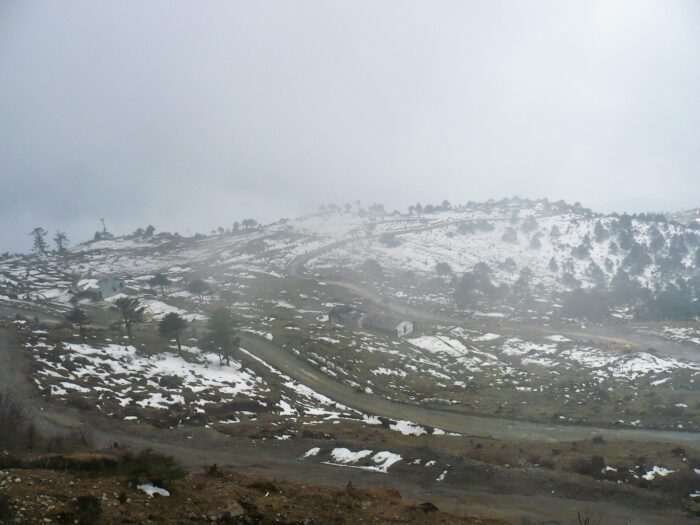
Tucked away in the Eastern Himalayas, Tawang is one of India’s most breathtaking yet lesser-explored destinations. Surrounded by towering mountains and blanketed in mist, Tawang feels almost otherworldly. Its remote location has helped preserve its pristine beauty and cultural authenticity.
At the heart of Tawang lies the magnificent Tawang Monastery, the largest monastery in India and the second-largest in the world. Overlooking the valley, it is not just a religious site but a spiritual experience. Visitors can observe monks engaged in daily rituals, hear the chants echo through the halls, and even participate in meditation sessions.
The journey to Tawang is equally rewarding. The high-altitude Sela Pass, often covered in snow, offers surreal views and leads to the enchanting Sela Lake. Adventure enthusiasts can explore trekking routes, while nature lovers can indulge in birdwatching and photography.
Culturally, Tawang is vibrant. Festivals like Losar and Torgya bring the region alive with music, dance, and traditional rituals. Visiting Tawang in 2026 means stepping into a world where spirituality, culture, and nature coexist in perfect harmony.
The Tranquil Shores of Gokarna
For those seeking coastal serenity without the chaos of commercial beach destinations, Gokarna is a perfect escape. Often compared to Goa, Gokarna offers a more peaceful and soulful experience.
Its beaches—Om Beach, Kudle Beach, and Paradise Beach—are known for their natural beauty and laid-back vibe. Unlike crowded beach destinations, here you can truly unwind, whether it’s through yoga by the sea, long walks along the shore, or simply watching the sunset in silence.
Gokarna is also a significant spiritual destination. The ancient Mahabaleshwar Temple dedicated to Lord Shiva attracts pilgrims from across India. This blend of spirituality and natural beauty gives Gokarna a unique character.
Food is another highlight—local shacks serve fresh seafood and authentic coastal cuisine, offering a culinary journey that complements the scenic surroundings. For travelers in 2026, Gokarna represents slow travel at its finest.
The Untouched Wilderness of Ziro Valley
Hidden in the lush hills of Arunachal Pradesh, Ziro Valley is a destination that feels untouched by time. Known for its rolling rice fields, pine forests, and misty landscapes, Ziro is a haven for nature lovers.
The valley is home to the indigenous Apatani tribe, whose sustainable lifestyle and agricultural practices have drawn global attention. Their unique method of rice-fish farming is not only environmentally friendly but also deeply rooted in tradition.
Ziro offers immersive experiences—travelers can stay in homestays, participate in local farming activities, and learn about tribal customs firsthand. Trekking routes around the valley reveal stunning viewpoints and biodiversity.
The Ziro Music Festival has added a contemporary twist to this traditional landscape. Set against a scenic backdrop, the festival blends music, art, and culture, attracting a diverse crowd while maintaining its eco-conscious ethos.
Cultural Richness of Hampi
Few places in India evoke history as vividly as Hampi. A designated UNESCO World Heritage Site, Hampi was once the thriving capital of the Vijayanagara Empire.
Today, its ruins stretch across a surreal landscape of giant boulders and ancient structures. Landmarks like the Virupaksha Temple and Vittala Temple showcase extraordinary architectural brilliance, with intricate carvings and engineering marvels such as musical pillars.
What makes Hampi special is its atmosphere. Unlike crowded heritage sites, it offers space to explore at your own pace. Cycling through the ruins, watching the sunset from Matanga Hill, or simply soaking in the silence makes for an unforgettable experience.
The Mystique of Khajuraho
Located in Madhya Pradesh, Khajuraho is one of India’s most artistically significant yet underrated destinations. Its temples, built between 950 and 1050 AD, are celebrated for their intricate carvings and symbolic storytelling.
Often misunderstood for their erotic sculptures, the temples actually represent a broader philosophy of life, encompassing spirituality, love, and human existence. The Western Group of temples is particularly प्रसिद्ध for its detailed craftsmanship and grandeur.
Visiting Khajuraho is not just about sightseeing—it’s about understanding a civilization that embraced art and expression in its fullest form. The annual dance festival held against the backdrop of these temples adds another layer of cultural richness.
Bundi: A Hidden Fortified Town in Rajasthan
While Rajasthan is known for cities like Jaipur and Udaipur, Bundi offers a quieter, more intimate experience. This charming town is rich in history and architectural beauty.
The majestic Bundi Palace is adorned with stunning frescoes that depict royal life and mythology. The town is also famous for its step-wells, including Nagar Sagar Kund, which are both functional and artistic marvels.
Walking through Bundi’s narrow lanes, visitors can explore vibrant markets, interact with locals, and experience the region’s culture without the overwhelm of mass tourism. It’s a destination that feels personal and timeless.
Vibrant Landscapes of Chikmagalur
Nestled in the Western Ghats, Chikmagalur is a paradise of greenery and tranquility. Known as the birthplace of coffee in India, the region is dotted with lush plantations that create a soothing landscape.
Travelers can take plantation tours, learn about coffee production, and enjoy freshly brewed cups amid scenic surroundings. For adventure seekers, trekking to Mullayanagiri offers panoramic views and a sense of accomplishment.
Chikmagalur is also ideal for slow travel—whether it’s staying in a plantation homestay, exploring waterfalls, or simply enjoying the cool climate. It’s a perfect retreat for those looking to disconnect and recharge.
Conclusion: The Future of Travel in India
As travel trends continue to evolve, India’s underrated destinations are becoming increasingly relevant. They offer a chance to move beyond crowded hotspots and discover the country’s true essence—its people, traditions, and landscapes.
Exploring places like Tawang, Gokarna, Ziro Valley, Hampi, Khajuraho, Bundi, and Chikmagalur is not just about travel—it’s about meaningful exploration. These destinations encourage responsible tourism, support local communities, and preserve cultural heritage.
In 2026, the most memorable journeys will not be defined by how many places you visit, but by how deeply you experience them. India’s hidden gems are ready to welcome you—offering stories, serenity, and a sense of discovery that stays with you long after the journey ends.
