


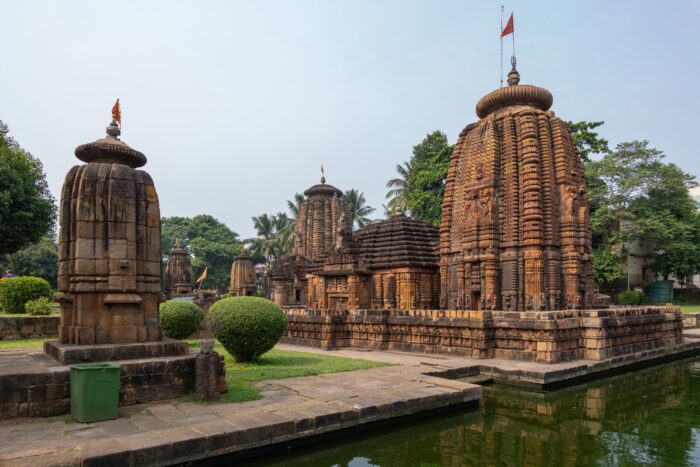
India’s travel landscape is undergoing a major transformation in 2026, with tier-2 cities rapidly emerging as the country’s fastest-growing travel hubs. Cities such as Jaipur, Pune, Coimbatore, and Nashik are no longer viewed merely as regional centers. Instead, they are becoming vibrant tourism hotspots that attract domestic and international travelers alike.
Traditionally, Indian tourism revolved around metro cities and iconic destinations like Delhi, Mumbai, Goa, and Bengaluru. However, changing traveler preferences, improved infrastructure, digital connectivity, and rising disposable incomes are shifting the spotlight toward smaller urban centers. These tier-2 cities offer a unique blend of affordability, cultural authenticity, modern amenities, and less-crowded experiences, making them highly attractive in 2026.
As travelers increasingly seek meaningful, immersive, and sustainable experiences, tier-2 cities are positioning themselves as the future of Indian tourism.
What Defines a Tier-2 City in India?
Tier-2 cities are urban centers that are smaller than metropolitan hubs but larger and more developed than rural towns. They typically have growing economies, expanding infrastructure, and improving connectivity. Examples include:
- Jaipur
- Lucknow
- Indore
- Coimbatore
- Bhubaneswar
- Dehradun
These cities are becoming increasingly influential due to their rapid urban development, growing middle-class populations, and expanding tourism ecosystems.
Infrastructure Development Is Driving Tourism Growth
One of the primary reasons behind the rise of tier-2 cities as travel hubs is massive infrastructure development. The Indian government and private investors have significantly upgraded transportation systems and urban amenities across these regions.
Improved Air Connectivity
Many tier-2 cities now have modern airports with direct domestic and international connections. Regional connectivity initiatives under schemes like UDAN have made air travel more accessible and affordable for travelers.
Cities such as Indore and Bhubaneswar are witnessing a surge in passenger traffic due to better flight connectivity.
Better Roads and Rail Networks
Expanded highways, expressways, and upgraded railway stations are making travel smoother and faster. Tourists can now comfortably explore nearby destinations without relying solely on major metro hubs.
Growth of Hospitality Infrastructure
The hospitality industry is booming in tier-2 cities. Luxury hotels, boutique stays, eco-resorts, homestays, and co-living spaces are rapidly emerging to meet rising tourist demand. This development improves visitor experiences while generating employment opportunities for local communities.
Travelers Are Seeking Authentic Experiences
Modern travelers are increasingly prioritizing authenticity over commercial tourism. Tier-2 cities offer rich cultural experiences that are often missing in overcrowded metropolitan destinations.
Local Culture and Heritage
Cities like Jaipur and Lucknow showcase centuries-old traditions, architecture, music, crafts, and cuisine. Visitors can engage directly with local artisans, attend cultural festivals, and experience regional lifestyles firsthand.
Unique Culinary Tourism
Food tourism is becoming a major attraction in tier-2 cities. Travelers are eager to explore authentic regional dishes, street food, and traditional cooking styles.
For example:
- Lucknow is famous for Awadhi cuisine
- Nashik is emerging as India’s wine tourism capital
- Coimbatore offers traditional South Indian culinary experiences
Less Crowded and More Relaxed
Unlike metro cities, tier-2 destinations offer cleaner environments, lower traffic congestion, and a slower pace of life. This appeals to travelers seeking peaceful getaways and wellness-focused vacations.
Technology and Social Media Are Boosting Visibility
Technology has played a transformative role in making tier-2 cities mainstream travel destinations.
Social Media Influence
Platforms like Instagram, YouTube, and travel blogs are helping showcase hidden gems across India. Influencers and travel creators frequently highlight lesser-known destinations, encouraging younger audiences to explore beyond traditional tourist circuits.
Picturesque landscapes, heritage sites, local cafes, and cultural festivals in tier-2 cities are gaining viral attention online.
Online Booking Platforms
Travel apps and digital booking platforms have simplified trip planning for smaller cities. Travelers can now easily access:
- Hotel bookings
- Local transportation
- Guided tours
- Restaurant recommendations
- Adventure activities
This digital convenience significantly increases tourist confidence in exploring emerging destinations.
Government Policies Supporting Tourism Expansion
Government initiatives are accelerating tourism growth in tier-2 cities through strategic investments and promotional campaigns.
Swadesh Darshan Scheme
The Indian government’s Swadesh Darshan initiative focuses on developing theme-based tourist circuits that highlight cultural, spiritual, and eco-tourism destinations across smaller cities.
Smart City Development
Several tier-2 cities are part of India’s Smart Cities Mission, which aims to improve urban infrastructure, sanitation, public transportation, and digital services.
Cities such as Bhubaneswar and Pune have benefited significantly from these modernization efforts.
Promotion of Regional Tourism
State tourism boards are increasingly investing in marketing campaigns that promote local festivals, heritage sites, and eco-tourism experiences in smaller cities.
Millennials and Gen Z Are Redefining Indian Travel
The preferences of millennials and Gen Z travelers are heavily influencing tourism trends in 2026.
Preference for Experiential Travel
Younger travelers prioritize memorable experiences over luxury spending. They are drawn to:
- Adventure tourism
- Wellness retreats
- Cultural immersion
- Nature-based travel
- Local community interactions
Tier-2 cities provide all these experiences at comparatively lower costs.
Rise of Workations and Digital Nomad Culture
Remote work culture has encouraged professionals to spend extended periods in scenic and affordable destinations. Cities like Dehradun and Coimbatore are becoming popular for workations due to their pleasant climate, internet connectivity, and lower living expenses.
Sustainability and Responsible Tourism
Sustainability is becoming a critical focus for India’s tourism industry, and tier-2 cities are embracing responsible travel practices more effectively than overcrowded metro destinations.
Eco-Friendly Tourism Initiatives
Many smaller cities are promoting:
- Eco-resorts
- Sustainable accommodations
- Farm-to-table dining
- Nature conservation programs
- Plastic-free tourism campaigns
Preservation of Local Heritage
Communities in tier-2 cities are increasingly involved in preserving traditional crafts, festivals, and cultural heritage. This approach ensures tourism growth benefits local populations while maintaining authenticity.
Responsible tourism not only enhances visitor experiences but also supports long-term economic sustainability.
Emerging Tourist Attractions in Tier-2 Cities
Several tier-2 cities are rapidly gaining popularity due to unique attractions and tourism experiences.
Nashik
Known for vineyards, wine tasting tours, and spiritual tourism centered around the Godavari River.
Dehradun
A gateway to Himalayan adventures, wellness retreats, and eco-tourism.
Coimbatore
Famous for textile heritage, nearby hill stations, and spiritual tourism.
Jaipur
Expanding beyond heritage tourism into art festivals, luxury experiences, and culinary tourism.
Economic Impact on Local Communities
Tourism growth in tier-2 cities is creating widespread economic benefits.
Employment Generation
The rise in tourism boosts employment opportunities in:
- Hospitality
- Transportation
- Food services
- Tour operations
- Local handicrafts
Growth of Small Businesses
Local entrepreneurs benefit from increased tourist spending on accommodations, souvenirs, food, and experiences.
Urban Development
Tourism-driven investments improve public infrastructure, healthcare, and civic amenities, enhancing the overall quality of life for residents.
Challenges That Tier-2 Cities Must Address
Despite their rapid rise, tier-2 cities face certain challenges.
Managing Over-Tourism
As visitor numbers increase, cities must avoid the pitfalls of overcrowding and environmental degradation experienced by larger destinations.
Maintaining Cultural Authenticity
Commercialization can dilute local traditions and heritage if tourism growth is not managed carefully.
Infrastructure Pressure
Sustained investments in transportation, sanitation, waste management, and public services are essential to support future tourism demand.
Conclusion
In 2026, tier-2 cities are redefining the future of travel in India. Improved infrastructure, authentic cultural experiences, government support, digital influence, and changing traveler preferences are collectively transforming these emerging destinations into thriving tourism hubs.
Cities like Jaipur, Coimbatore, Nashik, and Dehradun are no longer secondary choices for travelers. Instead, they represent the next generation of Indian tourism — offering affordability, sustainability, cultural richness, and immersive experiences.
As India’s tourism industry continues evolving, tier-2 cities are poised to become the backbone of the country’s travel economy, shaping a more diverse and inclusive tourism future.