


From vibrant mulla mulla to rare native orchids already in bloom, Australia’s Coral Coast is shaping up to deliver one of the world’s most spectacular wildflower displays. Traditionally flowering between late July and early October, this year’s season has arrived earlier than expected following recent rainfall across the region. The early emergence of blooms is signalling a promising season ahead, with visitors set to experience colourful wildflower carpets across the Coral Coast’s diverse landscapes.
“It’s been busy as usual at the Mullewa Visitor Centre, and we’re gearing up for what looks set to be a bumper wildflower season. With early blooms already appearing and strong interest from visitors, we’re looking forward to welcoming travellers eager to experience the incredible wildflower displays our region has to offer,” said Natalie Hillier, Manager of the Mullewa Visitor Centre.
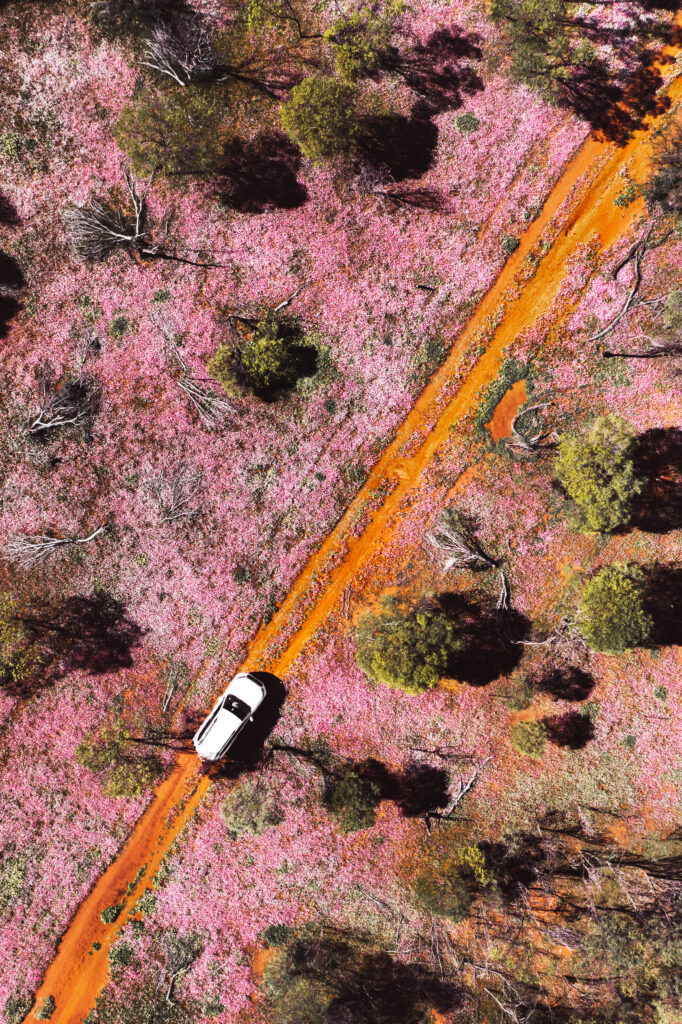
To help visitors make the most of the season, Australia’s Coral Coast has launched for its second year, a dedicated Wildflower Watch page. The page is updated regularly with reports direct from locals and wildflower enthusiasts on the ground and is the most reliable and up-to-date resource for travellers. Wildflowers are heavily dependent on weather conditions and rainfall and can vary seasonally. Before heading out, we highly recommend travellers contact the relevant Visitor Centres on your journey.
Some of the key highlights right now include:
•Kalbarri National Park: Wildflowers are already emerging across Kalbarri National Park, with blue and pink fairy orchids spotted along the Loop Trail, Murchison rose blooming near Island Rock and the coast, and guinea flower and purple thryptomene have also been spotted.
•Mullewa: The Mullewa Wildflower Walk is already showcasing a beautiful seasonal display, with an abundance of delicate snail orchids emerging along the trail.
•Carnarvon: Carnarvon is bursting into colour as mulla mulla blooms emerge across the region, adding vibrant shades of white and yellow with pink and purple set to bloom later in the season. These hardy native wildflowers are a seasonal highlight, transforming the surrounds into a spectacular display.
•Cape Range National Park: Within the National Park, a diverse range of native wildflowers are emerging, including Sturt’s desert pea, Candelabra grevillea, late feather flower, green bird flower, flannel flower, Cape Range grevillea with developing seed pods, and Cape Range poverty bush, adding colour and character to the landscape.
Locals around Pindar are reporting promising conditions for the rare Pindar Wreath Flower, a unique wildflower recognised for its delicate circular formations and frilled petals in shades of red, white and pink.
The wildflower season can be experienced on a self-drive adventure using Australia’s Coral Coast’s suggested itineraries, with incredible bloom locations beginning less than two hours north of Perth. For those seeking local knowledge, a range of regional tourism operators offer guided wildflower tours, providing visitors with expert insights into the unique species and landscapes of the region.
Western Australia is home to thousands of species of wildflowers, more than 50% of which can only be found in Australia’s Coral Coast. Many of these blooms cannot be found anywhere else on earth, making the region one of the best places to see Western Australia’s wildflowers.
The region is of significant scientific interest when it comes to wildflowers. There are several biodiversity hotspots, including Coalseam Conservation Park, Lesueur National Park, Kalbarri National Park, and Cape Range National Park. Of these sites, many species are endemic, and several rare species can only be found in those areas.