


Why Snake Bites Remain a Serious Concern
The rich greenery, abundant rainfall and thick vegetation of Kerala make it a highly biodiverse area in India. The same environment which supports abundant wildlife also forms frequent contact between human beings and snakes. Snake bites are not an isolated event in this region, it is a common recurring epidemic in the community, particularly in the rural and semi-urban regions.
In India, 50,000 snakebites are estimated to kill people every year and the states such as Kerala give a substantial proportion in this category because of climate and habitat factors. Its danger is greater in the monsoon months when flooding and waterlogging displace snakes and bring them nearer to human habitation.
The knowledge of the causes, risks and the appropriate response is not a matter of choice- it can save lives.
What Causes Snake Bites
Snake bites are not usually aggressive attacks. The majority occur as a result of accidental contacts.
Going barefoot or unprotected in fields or gardens is one of the most popular ways to get a snake bite. Poor lighting at night causes accidental treading on snakes, which leads to snake bites. Moving firewood, rubbish, or plants where snakes can hide without gloves or protective clothing can result in snake bites. Wear gloves and gum boots whenever you labour in the fields or clean up the area. Sleeping on the floor is frequent in rural houses. Snakes, such as Krait, are nocturnal. They usually go at night to catch their prey. They usually enter homes to catch Gheckos. Another cause of the bite is accidently disturbing snakes while working in agriculture or the outdoors.
Most of the time the snake bites in self-defence, and not because it is preying on humans.
The Big Four Snakes in India
In India, the major cases of snakebite are associated with the four very poisonous species, and they are also known as the Big Four. They are Indian Cobra, Common krait, Russell’s viper, and the Saw-scaled viper.
Most venomous bites in India including that of Kerala are caused by these snakes. The various venom properties of each influence the body response.
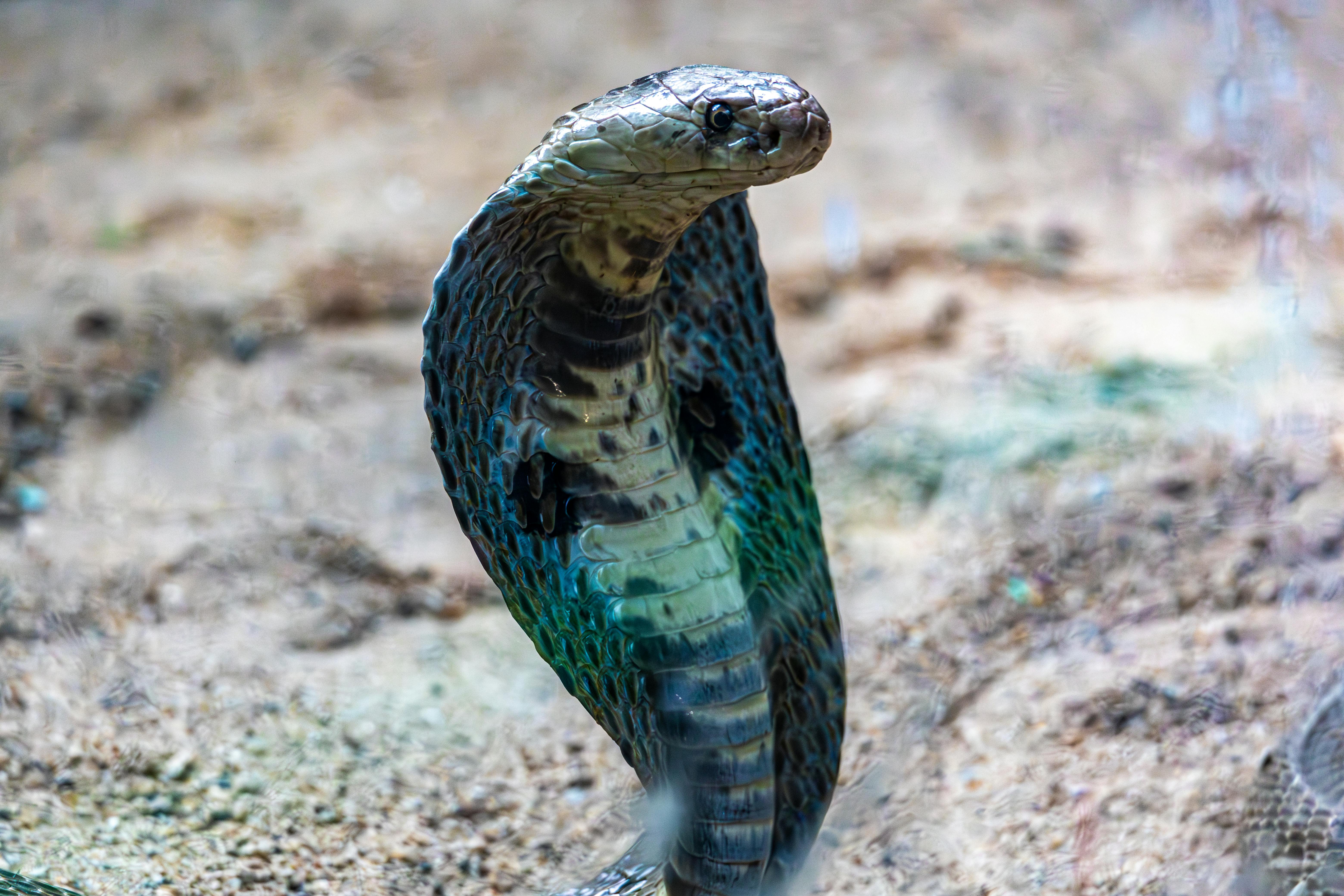
King Cobra The Silent Giant of the Forest
The King cobra is often feared because of its size and reputation, but the reality is more balanced than people assume. It is the longest venomous snake in the world, yet it is not a common cause of snakebite deaths in India. Unlike many other species, it usually avoids humans and only reacts when it feels threatened. Its venom affects the nervous system and can interfere with breathing if not treated quickly, but bites are rare because the snake prefers to stay away from human activity. Most encounters happen when forests are disturbed or when people unknowingly enter its habitat. The real issue is not aggression, but proximity. The more humans move into its space, the higher the chance of conflict. Understanding this makes one thing clear—awareness and caution matter far more than fear.
Learning about Venom and Its Impact
Snake venom is not a substance. It is a complicated combination of toxins that influence the body in various ways.
Neurotoxic venom found in Cobra and King Cobra, attacks the nervous system and causes paralysis and difficulty in breathing. Hemotoxic venom found in Vipers impacts on blood and tissues leading to bleeding, clotting complications and organ damage and the Cytotoxic venom of Krait destroys the local tissues, resulting in necrosis and swelling.
The seriousness depends on the kind of snake, the quantity of the venom injected, and the promptness of treatment. The symptoms may occur quickly or slowly, but the longer treatment is delayed the higher the risk.
First Aid and Emergency Measures
The first few minutes after being bitten by the snake can make a significant difference. Missteps will only exacerbate the situation.
What to do:
▫️Hold the individual still to reduce the diffusion of the venom.
▫️Use a splint to immobilise the affected limb where possible.
▫️Take off tight objects such as rings, bangles or shoes before swelling occurs.
▫️Take the individual to the closest hospital.
What not to do:
▫️Do not lacerate the wound, or endeavor to suck out venom.
▫️Avoid ice, chemicals and herbal remedies.
▫️Tight tourniques that prevent blood flow should not be used.
▫️Do not postpone medical treatment for home treatments.
It is all about getting to a hospital as quickly as you can.
Anti-Venom and Treatment
Anti-snake venom (ASV) is the main treatment of snake bites.
Polyvalent anti-venom is widely used in India. It is used to treat bites of the Big Four snakes. Dosage does not depend on age or size of the patient, but on the severity of the envenomation.
Anti-venom neutralises the venom that is in circulation. Nonetheless, it should be used in a hospital environment because of the risk of allergy.
In severe cases, supportive care, such as respiratory support and organ monitoring, may be needed. Early intervention with anti-venom has a high chance of saving lives.
How to Avoid Snake Bites
It is much better to prevent than to cure. Risk can be minimized by simple precautions.
▫️Wear shoes with protection when walking on the street, especially during night.
▫️Light up dark places with a torch or light.
▫️Maintain the environment clean and tidy.
▫️Keep food in a good place so as not to attract rodents which in turn attract snakes.
▫️Do not put hands in holes, thick bushes, or crevices.
▫️Use raised sleeping arrangements where possible
Most incidents of snakebites can be prevented through awareness and simple precautions.
The Reality that Cannot Be Ignored
Snake bites cannot be considered a simple medical problem, but rather a set of environmental, behavioural and awareness factors.
The ecosystem in Kerala will never fail to support the population of snakes. That is not and cannot be altered. What can be changed is the reaction of people to that reality.
Majority of the deaths are not caused by the absence of treatment, but rather, by late treatment or wrong first aid.
An Issue of Consciousness and Response
Snake bites are life threatening, yet they can be dealt with when one responds appropriately.
Being aware of the dangers, knowing the symptoms and responding promptly can be the difference between life and death.
Fear is not the answer but awareness, preparedness, and timely action. In matters such as this, the first hour you spend is what counts.
