


Hyderabad, June 4 : A seven-year-old boy who sustained devastating, life-threatening injuries following a brutal attack by a pack of stray dogs has made a remarkable recovery and was discharged today from Kamineni Hospitals after undergoing intensive emergency, critical care, and reconstructive treatment.
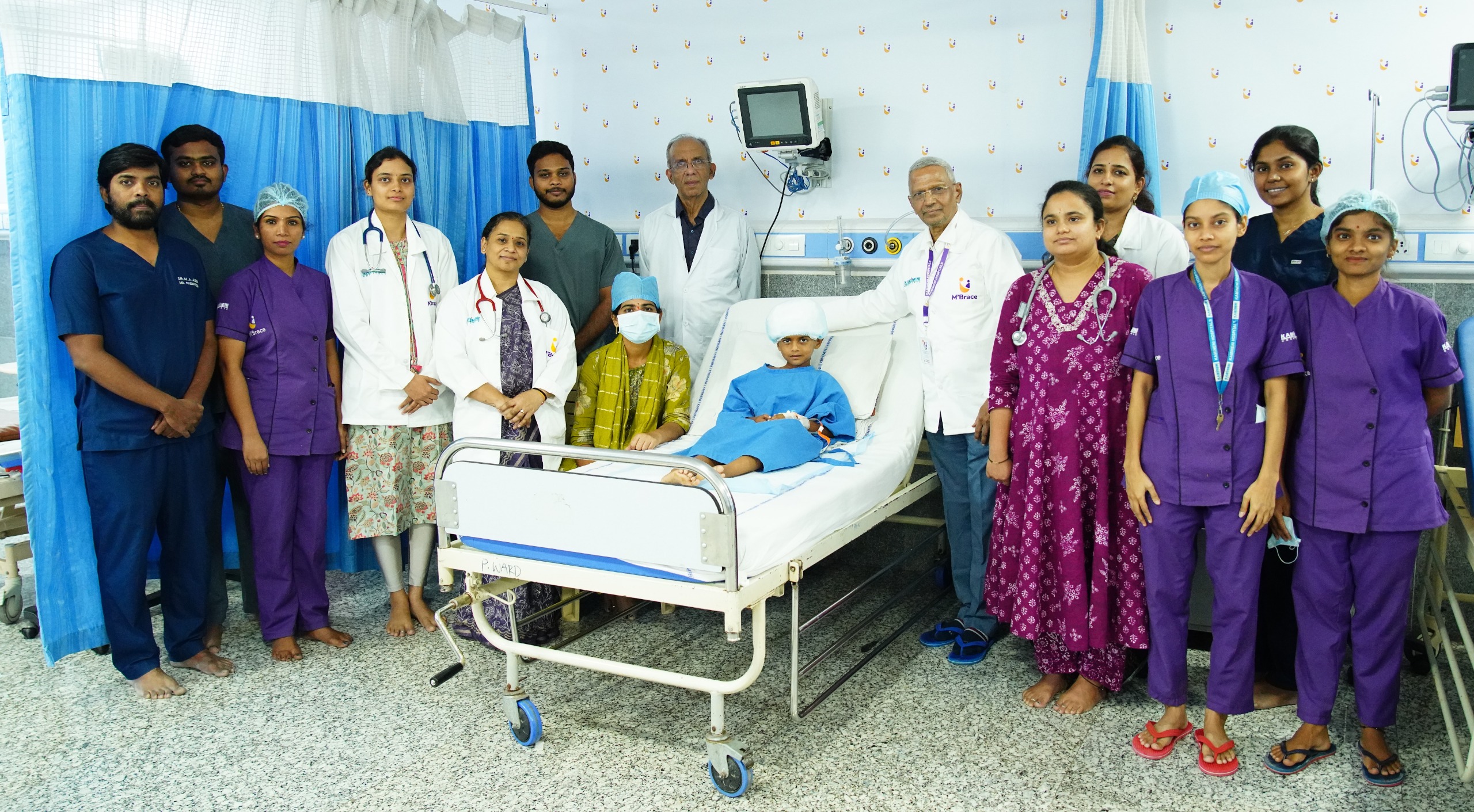
Advik, was brought to the Emergency Care of Kamineni Hospitals after being attacked by five to six dogs. The attack resulted in extensive injuries, including severe scalp avulsion, multiple deep dog-bite wounds across the body, significant soft-tissue loss in the limbs, and critical blood loss. Upon arrival at the hospital, the child was in shock, with an unrecordable blood pressure, making his condition extremely critical and life-threatening. Due to the severity of his condition, he was intubated and placed on ventilator support in the Pediatric Intensive Care Unit .
Speaking about the case, Dr. Kanchan S. Channawar, Consultant Pediatrician & Pediatric Intensivist, Kamineni Hospitals said,
“The child suffered a rare but serious complication. Owing to the severe trauma and dog-bite injury to the neck region, he developed a blood clot in a major blood vessel, leading to an ischemic stroke affecting the left side of the brain. This resulted in weakness and paralysis on the right side of the body. He was promptly treated with blood-thinning medications and intensive physiotherapy, leading to significant neurological recovery.”
The extensive wounds required specialized reconstructive surgery under the care of the Plastic and Reconstructive Surgery team.
Dr. B Krishna Chaitanya, Consultant Plastic & Reconstructive Surgeon, Kamineni Hospitals said,
“The child sustained one of the most severe dog-bite injuries seen in recent years, with extensive scalp loss, deep contaminated wounds, and significant soft-tissue defects. We performed damage control surgery initially aiming to clear heavily contaminated wounds and remove any devitalized tissue. After improvement in the clinical status, we addressed the most challenging injury, a large scalp defect with exposed skull bone. The defect was reconstructed using local scalp transposition flaps, providing durable vascularized coverage while preserving the natural contour of the scalp. Additional procedures included wound closure, skin grafting, and ongoing management of soft-tissue injuries.”
The child responded exceptionally well to treatment. Most wounds have healed satisfactorily, and the neurological deficits caused by the stroke have shown marked improvement. While a few residual raw areas and minor graft-related defects may require follow-up procedures, his overall recovery has been highly encouraging. Advik is breathing independently, he is hemodynamically stable, walking normally, interacting well with his parents and caregivers, and has been deemed fit for discharge.”
This case highlights the importance of immediate medical attention following severe animal attacks and demonstrates how coordinated multidisciplinary care can help save lives and restore function even in the most critical situations.