


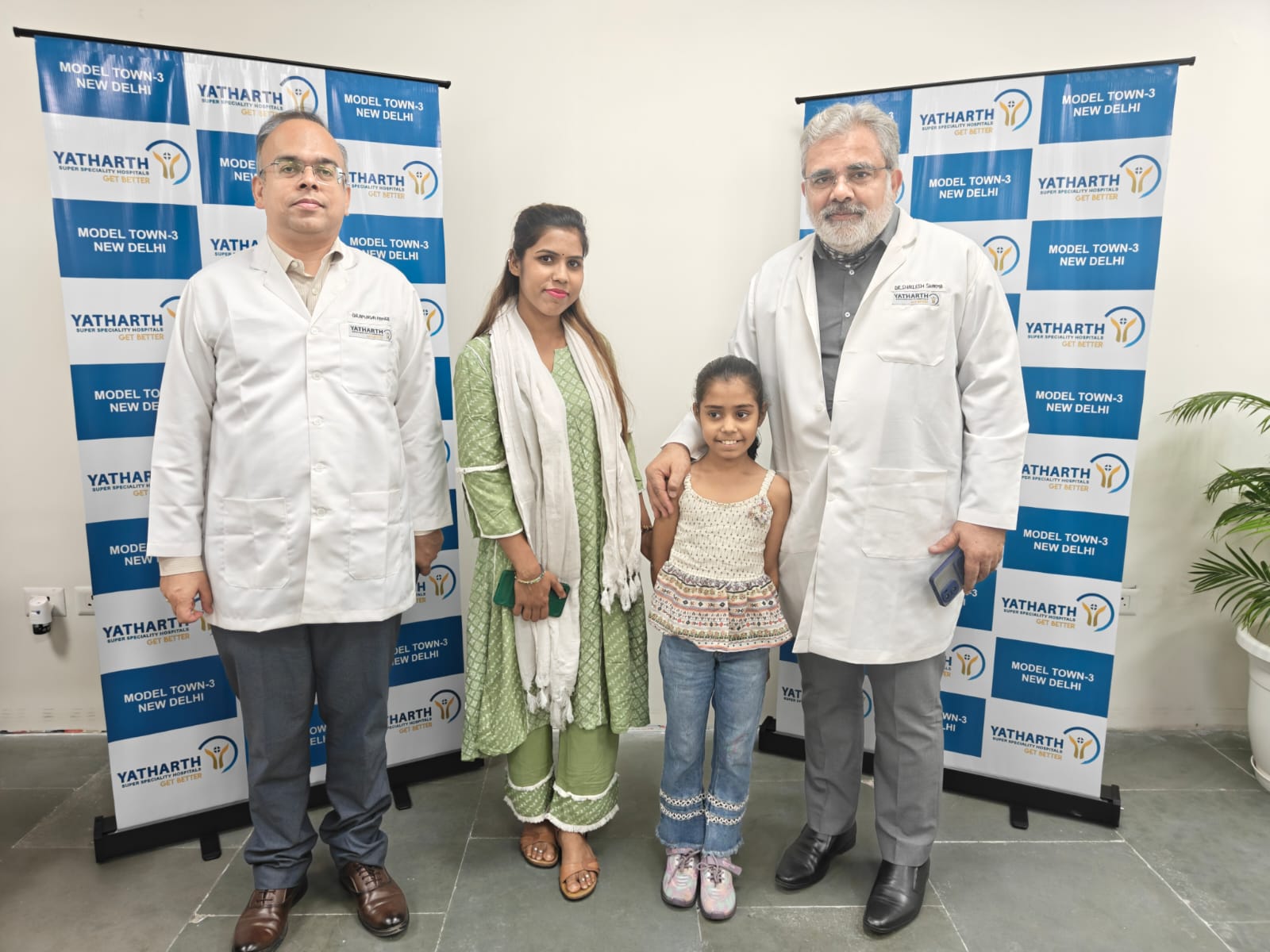
New Delhi, Apr 17: The growing work–from–home (WFH) culture, unhealthy dietary habits, and rising air pollution levels in Delhi–NCR are significantly contributing to a surge in liver diseases, now emerging as a “silent public health crisis.” During a press conference organized by Yatharth Super Speciality Hospital, Model Town, doctors warned that liver damage is no longer limited to alcohol consumption but is increasingly driven by modern lifestyle and environmental factors.
The panel included Dr. Apurva Pande, Additional Director & HOD – Gastroenterology & Hepatology and Dr. Shailesh Sharma (HOD & Senior Consultant – Pediatrics), who highlighted alarming trends. According to doctors, 1 in every 5 Indians is at risk of developing ‘silent liver disease.’ The DiaFib-Liver Study, which screened 9,202 individuals, found that 5% had asymptomatic cirrhosis. Additionally, cases of MASLD are projected to rise from 1.3 billion in 2023 to 1.8 billion by 2050.
The situation in Delhi–NCR is particularly concerning. Around 22.8% of the population is affected by fatty liver, with prevalence rising to 60.4% among high-risk groups such as those with diabetes and obesity. AIIMS data suggests that fatty liver cases in urban areas are nearly 40% higher than in rural regions.
Dr. Apurva Pande explained, “Pollutants like PM2.5 enter the bloodstream through respiration and reach the liver, causing inflammation, oxidative stress, and fibrosis. Reduced physical activity due to work–from–home lifestyles further amplifies the risk.” He added that 30–40% of patients visiting OPDs are diagnosed with fatty liver, most of them aged between 20 and 50 years. Alarmingly, cases are rising even among adolescents due to sedentary lifestyles and high intake of refined carbohydrates.
Dr. Pande also highlighted the concern of ‘lean fatty liver,’ noting that 9% to 32% of Indians with normal body weight are also affected, indicating that being thin does not necessarily equate to being healthy.
Dr. Shailesh Sharma emphasized the increasing burden among children, stating, “Nearly 35% of children in Delhi show signs of fatty liver. Fast food consumption, excessive screen time, and lack of physical activity are major contributors.” He also shared a recent case where an 8-year-old girl was successfully treated using plasmapheresis, avoiding the need for a liver transplant.
Doctors further noted that advanced diagnostic tools such as FIB-4 score and FibroScan now enable early and accurate detection of liver damage. Government schemes like Ayushman Bharat and the Delhi Arogya Kosh are also helping patients access expensive treatments.
The experts advised adopting a balanced diet, avoiding junk food and sugary beverages, maintaining regular physical activity, undergoing periodic health check-ups, and refraining from self-medication. They concluded that liver diseases have become a “silent killer,” and timely diagnosis along with lifestyle modification remains the most effective way to prevent them.
