


New Delhi, Aug 26: India’s renewable energy sector is moving into a phase where the focus is not only on adding capacity but also on how well that capacity performs over the long term. With the country working towards 500 GW of non-fossil fuel-based installed electricity generation capacity by 2030, Joint Solar believes quality and reliability will become increasingly important as solar takes a larger place in India’s power mix.
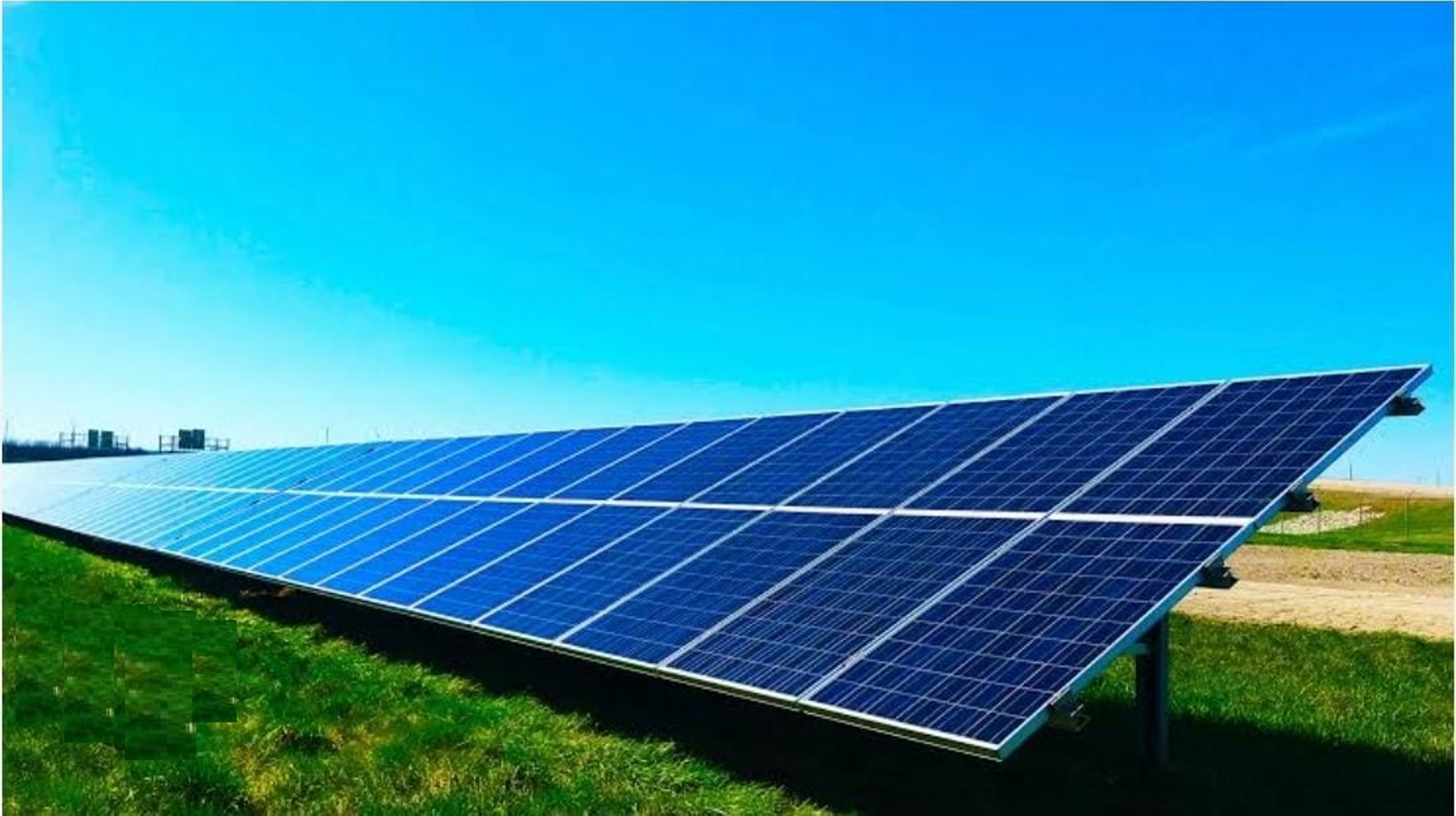
India has added solar capacity at a rapid pace in recent years, with large utility-scale projects being complemented by rooftop and other distributed installations. This has expanded the market for solar modules and other equipment while also bringing greater attention to product quality, system performance and the ability of projects to deliver consistent output over many years.
According to Joint Solar, the next phase of solar growth will require greater attention to the quality of installations, manufacturing practices and the performance of equipment used across projects. As the size of the solar fleet increases, maintaining dependable output will become as important as adding new capacity.
Mr. Vinod Sharma, Director, Joint Solar said,
“The scale of India’s solar expansion has changed the requirements of the industry. The conversation is no longer only about adding capacity. Quality, reliability and the ability of systems to perform consistently over the long term will become equally important as solar takes a larger role in the country’s power mix.”
Domestic manufacturing will also have an important role as India continues to build its renewable energy supply chain. Greater availability of locally manufactured modules and other components can give developers more options while helping the country build capacity across the solar manufacturing ecosystem.
For developers and consumers, the growing size of the solar market also means that long-term performance is receiving more attention. Solar projects are expected to operate for many years, making factors such as module quality, degradation, weather resistance and maintenance important when assessing the performance of a project.
Joint Solar believes technology will continue to influence the next stage of solar development. Improvements in module efficiency, manufacturing processes and monitoring systems can help projects generate more electricity from available space, and maintain performance under different operating conditions.
The growing share of solar power is also bringing changes to the wider electricity system. Solar generation varies with sunlight and needs to be managed alongside other sources of power. Transmission infrastructure, forecasting, energy storage and grid management will therefore become increasingly important as more renewable capacity is connected to the network.
Mr. Sharma added that India has already demonstrated its ability to add solar capacity at scale.
“The next challenge is to make sure that this capacity delivers dependable output and works efficiently within the larger power system. This will require coordination across manufacturing, project development, technology and grid infrastructure,” he said.
The changing market is also creating opportunities across the solar value chain. Companies are paying greater attention to areas such as system design, performance monitoring, maintenance and long-term support in addition to the supply of equipment. This could gradually lead to a market where the performance of a solar project receives as much attention as the capacity installed.
India’s 500 GW non-fossil fuel target represents an important milestone in the country’s energy transition. Solar is expected to make a substantial contribution to this capacity, while the wider transition will also require improvements across manufacturing, transmission, storage and power-system management.
Joint Solar maintains that the scale of the target makes it important to look beyond the number of gigawatts being added. The quality of that capacity, its reliability and its ability to deliver power consistently will also determine how effectively India can use its growing renewable energy base in the years ahead.