


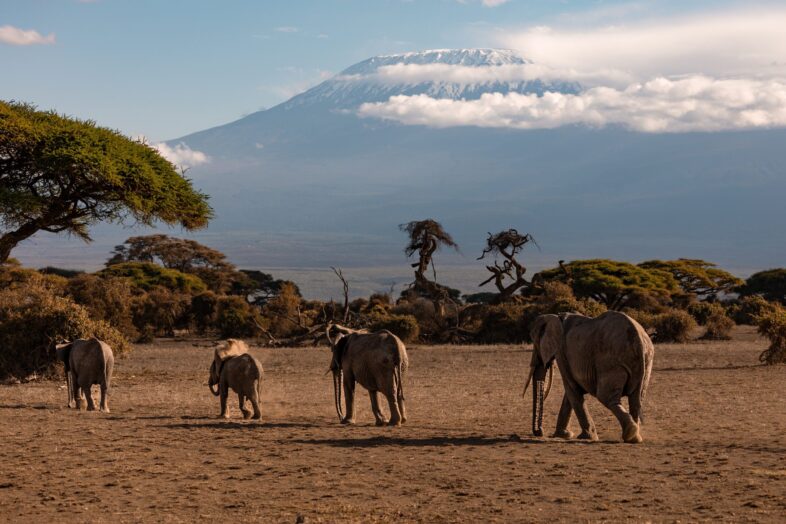
For many travelers, there’s one destination that symbolizes adventure, determination, and the thrill of reaching new heights—Mount Kilimanjaro. Rising majestically above the plains of northern Tanzania, Kilimanjaro is Africa’s highest mountain and one of the world’s most iconic trekking destinations. Unlike many of the world’s tallest peaks, it can be climbed without technical mountaineering skills, making it an achievable goal for thousands of adventure seekers every year.
Whether you’re an experienced hiker or someone looking to take on a once-in-a-lifetime challenge, Kilimanjaro offers breathtaking scenery, diverse landscapes, and an unforgettable sense of accomplishment.
Why Mount Kilimanjaro Is So Special
Standing at 5,895 metres (19,341 feet) above sea level, Mount Kilimanjaro is the highest free-standing mountain in the world. Located within Kilimanjaro National Park, a UNESCO World Heritage Site, the mountain attracts climbers from across the globe who come to experience its unique beauty and conquer its famous summit, Uhuru Peak.
One of Kilimanjaro’s greatest attractions is the incredible variety of landscapes encountered during the climb. Over several days, trekkers pass through lush rainforests, open heathlands, alpine deserts, and finally snow-covered glaciers near the summit. Few places on Earth offer such dramatic changes in scenery within a single journey.
A Trek That Doesn’t Require Technical Climbing
One of the reasons Kilimanjaro has become so popular is that it does not require ropes, ice axes, or advanced climbing experience. Most routes involve hiking rather than technical mountaineering.
Success depends more on physical fitness, proper acclimatization, and determination than climbing expertise. This makes Kilimanjaro accessible to adventurous travelers from many different backgrounds.
Choosing the Right Route
Several established routes lead to the summit, each offering a different experience.
Machame Route
Often called the “Whiskey Route,” the Machame Route is one of the most scenic options. It offers excellent opportunities for acclimatization and features stunning views throughout the journey.
Duration: 6–7 days
Lemosho Route
The Lemosho Route begins on the quieter western side of the mountain and is widely regarded as one of the best routes for acclimatization and summit success. It combines spectacular scenery with fewer crowds during the early stages.
Duration: 7–8 days
Marangu Route
Known as the “Coca-Cola Route,” Marangu is the only route that provides mountain huts instead of camping. It is popular among first-time climbers but offers less time for acclimatization.
Duration: 5–6 days
Rongai Route
Approaching from the northern side near the Kenyan border, the Rongai Route is generally quieter and drier, making it an attractive option during the rainy season.
Duration: 6–7 days
Best Time to Climb Kilimanjaro
Choosing the right season can greatly enhance your experience.
The best months to climb are:
- January to March – Cooler temperatures, fewer climbers, and occasional snow near the summit.
- June to October – Dry weather, clear skies, and excellent trekking conditions.
While climbing is possible throughout the year, the rainy seasons from April to May and November can make trails muddy and visibility limited.
What Makes the Climb Unique?
Unlike many mountain adventures, Kilimanjaro offers constantly changing ecosystems.
Rainforest
The journey begins in a lush rainforest filled with giant trees, colorful birds, monkeys, and diverse plant life.
Moorland
As the altitude increases, dense forests give way to open landscapes covered with giant groundsels, wildflowers, and volcanic rock formations.
Alpine Desert
Higher elevations reveal an almost lunar landscape with sparse vegetation, dramatic rock formations, and sweeping mountain views.
Arctic Summit
The final stage takes climbers through icy terrain, where glaciers and snowfields surround Uhuru Peak, offering one of Africa’s most remarkable panoramas.
Preparing for the Adventure
Although Kilimanjaro does not require technical climbing skills, preparation is essential.
Before your trip:
- Build cardiovascular fitness through hiking, cycling, or running.
- Practice walking with a backpack.
- Invest in quality hiking boots and layered clothing.
- Stay hydrated during the trek.
- Follow your guide’s advice on pacing and acclimatization.
Most summit attempts begin around midnight, allowing climbers to reach the top in time to witness sunrise over the African plains—a truly unforgettable reward after days of trekking.
Wildlife Around Kilimanjaro
The lower slopes of the mountain are rich in wildlife. Visitors may encounter:
- Blue monkeys
- Colobus monkeys
- Bushbucks
- Numerous bird species
- Colorful butterflies
Many travelers combine their Kilimanjaro trek with a safari in nearby national parks such as Serengeti National Park or Ngorongoro Conservation Area, creating a well-rounded Tanzanian adventure.
What to Pack
Packing wisely can make your climb safer and more comfortable. Essential items include:
- Waterproof hiking boots
- Thermal base layers
- Insulated jacket
- Waterproof outerwear
- Warm gloves and hat
- Trekking poles
- Sunglasses with UV protection
- High-SPF sunscreen
- Headlamp with extra batteries
- Reusable water bottles or hydration system
- Personal first-aid kit
Most guided treks include porters who carry the majority of your gear, allowing you to hike with only a daypack.
Responsible and Sustainable Travel
Climbing Kilimanjaro also supports local communities. Licensed trekking operators employ local guides, cooks, and porters, whose expertise is vital to a successful expedition. Choosing an ethical tour operator that provides fair wages, proper equipment, and safe working conditions helps ensure tourism benefits the people who call this region home.
Visitors are also encouraged to follow Leave No Trace principles by carrying out all waste, respecting wildlife, and staying on designated trails to help preserve the mountain’s fragile ecosystems.
Beyond the Summit
A Kilimanjaro adventure doesn’t have to end when you descend the mountain. Northern Tanzania offers plenty of opportunities to extend your journey. You can explore world-famous wildlife reserves, visit coffee plantations on the mountain’s lower slopes, relax on the beaches of Zanzibar, or immerse yourself in local Chagga culture through village tours and traditional cuisine.
Combining these experiences allows you to discover the incredible diversity that Tanzania has to offer.
Conclusion
Mount Kilimanjaro is far more than a mountain—it’s a journey of perseverance, discovery, and personal achievement. From the vibrant rainforests at its base to the icy summit of Uhuru Peak, every step offers breathtaking scenery and a sense of accomplishment that few travel experiences can match.
If you’re looking to add an extraordinary adventure to your travel wishlist, Kilimanjaro deserves a top spot. With the right preparation, a positive mindset, and an experienced guide, standing on the roof of Africa can become one of the most rewarding moments of your life.