


Indian art, with its millennia-old history, is more than just a visual delight—it is a repository of culture, heritage, and identity. Encompassing painting, sculpture, textiles, and pottery, each art form reflects the influences of regional traditions, religious practices, and historical events. From intricate temple carvings to vivid contemporary creations, Indian art captures the soul of its civilization while telling stories that span generations.
Historical Significance of Indian Art
Historically, art in India carried spiritual and philosophical significance alongside its aesthetic appeal. Dynasties such as the Mauryas, Guptas, Mughals, and later colonial powers influenced techniques, styles, and mediums, creating a rich tapestry of cultural expression. Today, modern artists blend classical techniques with contemporary ideas, establishing a dialogue between past and present.
Indian Art in Modern Living Spaces
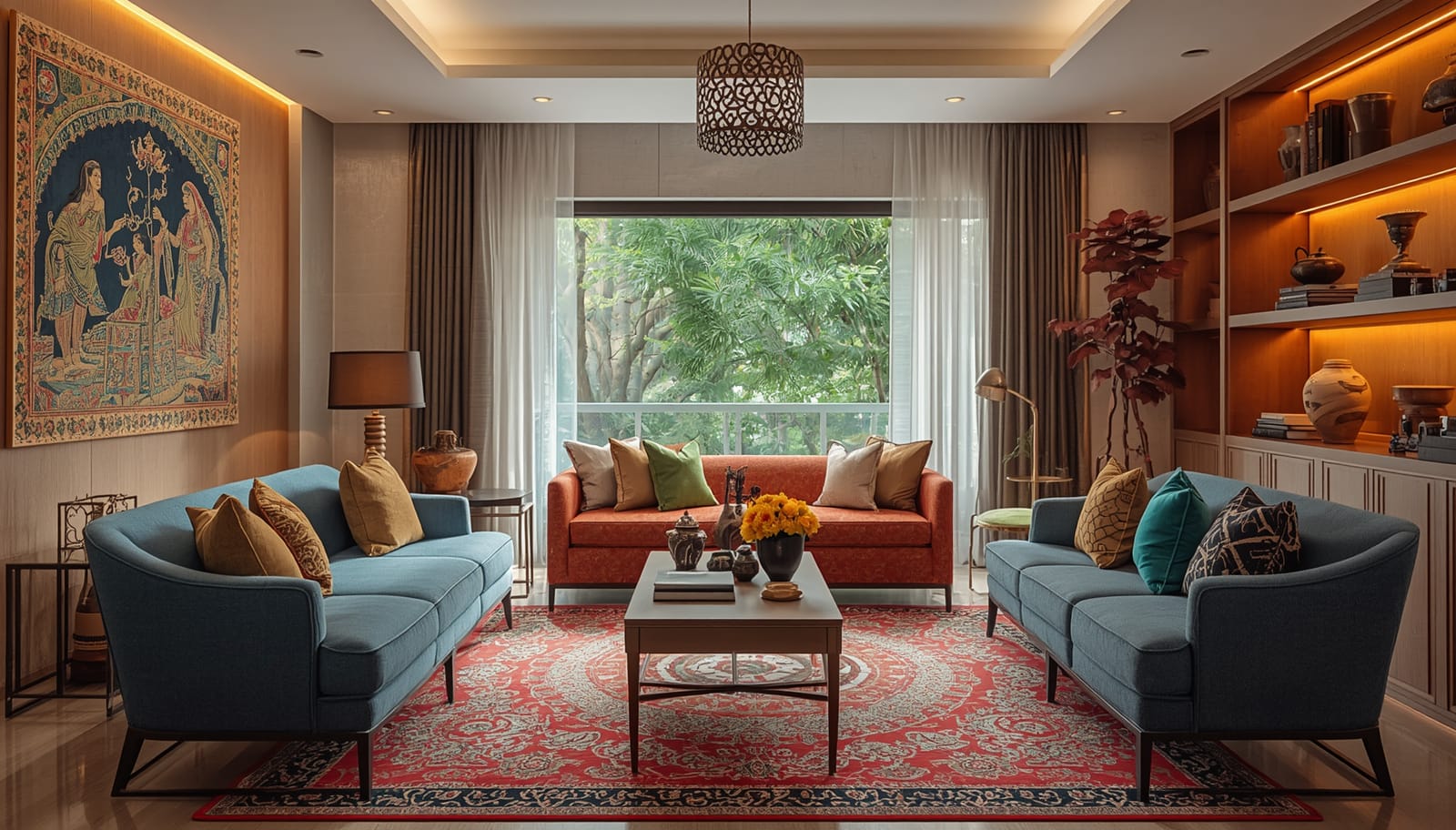
Contemporary interior design emphasizes minimalism, functionality, and open spaces. Against this backdrop, Indian art offers a vibrant counterpoint, adding warmth, texture, and narrative to sleek interiors. Traditional paintings, textiles, and sculptures can become focal points, harmonizing with clean lines and neutral palettes while celebrating cultural heritage.
A Madhubani painting, with its intricate patterns and bold colors, can transform a minimalist wall into a storytelling canvas. Warli art, with its geometric simplicity and earthy tones, enhances contemporary spaces without overwhelming them. Terracotta sculptures, handwoven textiles, and block-printed fabrics bring tactile richness, bridging centuries-old traditions with modern aesthetics.
Choosing the Right Art for Your Home
Selecting art for modern interiors requires careful consideration of color, scale, and context. Vibrantly colored paintings enliven neutral-toned rooms, while more subdued pieces add elegance to colorful spaces. Large artworks serve as impactful centerpieces, whereas smaller pieces can be arranged in galleries to create dynamic visual narratives.
Mixing traditional art with modern elements—like contemporary frames, metallic accents, or modular furniture—enhances the balance between heritage and modernity. Art that tells a story or reflects cultural roots adds personal significance, connecting homeowners with India’s artistic legacy.
DIY Indian Art Projects
For a personal touch, simple DIY projects allow anyone to engage with Indian art:
- Wall Hangings: Apply traditional motifs like paisleys or mandalas on canvas or wood panels. Bright acrylic paints and decorative threads make them easy to display.
- Textile Accents: Repurpose block-printed or embroidered fabrics into cushion covers, table runners, or throws, honoring craftsmanship while adding character.
- Painting Techniques: Experiment with Warli or Madhubani patterns on small canvases, furniture, or boards. Earthy tones and symbolic motifs reflect Indian artistry in contemporary spaces.
Supporting Indian Artisans
Indian artisans preserve centuries-old techniques while adapting to modern trends. From silk weavers in Varanasi to block printers in Rajasthan, their work blends heritage, skill, and creativity. Supporting these artisans sustains cultural traditions and encourages future generations to continue these practices. Handmade pieces promote authenticity and strengthen the link between craft and community.
Successful Integrations in Modern Homes
Across India, homes demonstrate the harmony of tradition and modernity. In Mumbai, Warli paintings on minimalist walls create bold cultural statements, while in New Delhi, Tanjore paintings with gold foil complement contemporary sculptures. Bangalore homes showcase vibrant Madhubani murals energizing neutral spaces. These examples show that Indian art can be both decorative and deeply meaningful, allowing homeowners to creatively express their heritage.
Caring for Indian Art
Preserving Indian art requires attention to materials and environment. Textiles should avoid prolonged sun exposure, and wooden pieces need stable humidity levels and gentle dusting. Terracotta and clay items must remain dry and secure to prevent damage. Proper care ensures that these art forms remain vibrant and enduring, enriching living spaces for generations.
Conclusion: Celebrating Heritage in Contemporary Homes
Integrating Indian art into modern interiors is more than an aesthetic choice; it celebrates culture, history, and identity. Murals, paintings, textiles, and sculptures create narratives that bridge tradition and contemporary living. Carefully selecting, displaying, and preserving Indian art allows homeowners to craft spaces that are visually stunning, culturally resonant, and uniquely personal.
Embracing Indian art enables modern homes to gain beauty and texture while honoring a heritage that continues to inspire, educate, and delight. Each artwork becomes a conversation between past and present—a testament to the enduring spirit of India’s artistic legacy.
