


How Emerging Travel Hubs Are Reshaping Tourism, Investment, and Local Economies
For decades, global tourism revolved around a familiar list of destinations—Paris, London, New York, Bangkok, and Dubai. While these iconic cities continue to attract millions of visitors annually, a notable shift is transforming the travel landscape. Increasingly, travelers are bypassing crowded tourist hotspots and choosing secondary cities that offer authenticity, affordability, and unique cultural experiences.
From the beaches of Da Nang to the vibrant waterfront of Batumi and the cultural richness of Chiang Mai, lesser-known destinations are emerging as powerful drivers of tourism growth. This trend is creating new opportunities for local businesses, hospitality investors, and regional economies while redefining how people explore the world.
Why Travelers Are Moving Beyond Traditional Tourist Hubs
Modern travelers are increasingly seeking meaningful experiences rather than checklist tourism. The rise of social media, remote work, and sustainable travel awareness has encouraged people to venture beyond traditional destinations.
Secondary cities offer several advantages:
- Lower travel and accommodation costs
- Reduced overcrowding
- Authentic cultural immersion
- Stronger connections with local communities
- Greater opportunities for discovering hidden attractions
Younger travelers, particularly Millennials and Gen Z, value experiences that feel unique and personal. Instead of standing in long queues at famous landmarks, many prefer exploring local markets, traditional neighborhoods, and regional cuisines that provide a deeper understanding of a destination.
The growing concern around over-tourism has also contributed to this shift. Travelers are becoming more conscious of their environmental impact and are actively choosing destinations that promote sustainable tourism and community-based experiences.
Understanding the Appeal of Secondary Cities
Secondary cities are urban centers that fall outside a country’s primary metropolitan areas but still offer significant economic, cultural, and tourism potential. These cities often combine modern infrastructure with preserved local traditions, creating an appealing balance for visitors.
Unlike major tourism hubs where commercialization can overshadow local identity, secondary cities retain much of their authenticity. Travelers can enjoy cultural festivals, historical sites, natural attractions, and local cuisine without the overwhelming crowds associated with larger destinations.
For businesses and investors, these cities present untapped opportunities. As visitor numbers increase, demand grows for hotels, restaurants, transportation services, and tourism-related infrastructure.
Da Nang: Vietnam’s Emerging Coastal Success Story
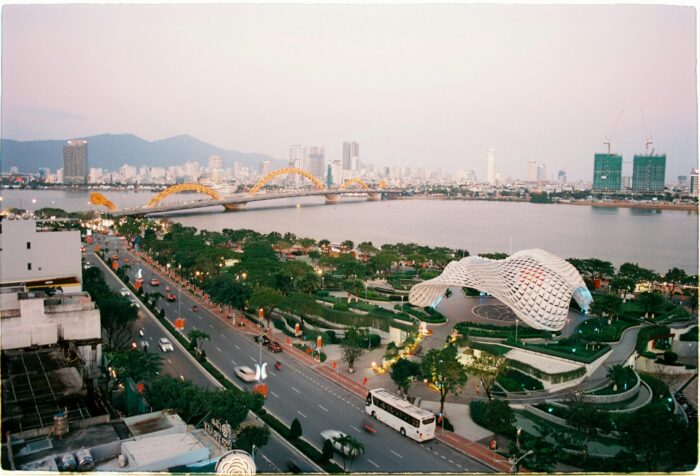
Among Asia’s fastest-growing tourism destinations, Da Nang has become a prime example of how secondary cities can transform into global travel hotspots.
Located along Vietnam’s central coastline, Da Nang offers pristine beaches, modern infrastructure, and proximity to heritage destinations such as Hoi An Ancient Town and Imperial City of Hue.
The city’s tourism boom has attracted significant investment in hospitality, retail, and real estate. International hotel brands, luxury resorts, and local businesses have expanded rapidly to meet growing demand. As visitor arrivals continue to increase, Da Nang has emerged as a model for sustainable tourism-led economic development.
Batumi: Georgia’s Rising Black Sea Destination
Once considered a regional getaway, Batumi has evolved into one of Eastern Europe’s most exciting tourism markets.
Situated along the Black Sea coast, Batumi combines modern architecture, beach tourism, and cultural attractions. The city’s waterfront developments, entertainment districts, and year-round festivals have attracted both international visitors and investors.
The hospitality sector has experienced remarkable growth, with new hotels, residential projects, and tourism infrastructure reshaping the city’s skyline. Government support for tourism development and improved connectivity have further strengthened Batumi’s position as a rising destination for travelers seeking alternatives to Europe’s more crowded capitals.
Chiang Mai: Thailand’s Cultural Capital
While Bangkok remains Thailand’s most visited city, Chiang Mai has become a favorite among travelers looking for a more authentic Thai experience.
Known for its historic temples, mountain landscapes, vibrant markets, and thriving arts scene, Chiang Mai offers a slower pace of travel that resonates with modern tourists. The city has also become a popular destination for digital nomads and remote workers, creating year-round demand for accommodations, co-working spaces, and local services.
Its growing tourism sector has encouraged investments in boutique hotels, wellness retreats, and eco-tourism ventures. The city demonstrates how cultural preservation and tourism growth can successfully coexist.
The Economic Impact of Secondary City Tourism
The growing popularity of secondary cities extends beyond tourism. It is generating significant economic benefits across multiple sectors.
Job Creation
As visitor numbers rise, demand increases for hospitality workers, tour operators, transportation providers, and local service businesses. Tourism growth creates both direct and indirect employment opportunities, helping diversify local economies.
Infrastructure Development
Governments and private investors are investing heavily in airports, roads, public transportation, and digital connectivity to support tourism growth. These improvements benefit both visitors and local residents.
Increased Foreign Investment
Growing tourism demand attracts investors looking to capitalize on emerging markets. Hospitality projects, mixed-use developments, and tourism infrastructure continue to generate substantial investment flows into secondary cities.
Support for Local Businesses
Restaurants, artisan shops, cultural attractions, and community-based enterprises often experience increased revenue as visitors seek authentic local experiences. This helps ensure tourism benefits are distributed throughout the local economy.
Emerging Investment Opportunities in Hospitality
For investors, secondary cities represent some of the most attractive growth opportunities in global tourism.
Boutique Hotels
Travelers increasingly prefer personalized experiences over standardized accommodations. Boutique hotels that showcase local culture and design are thriving in secondary destinations.
Experiential Accommodation
Eco-lodges, wellness retreats, glamping sites, and heritage properties are attracting visitors seeking immersive travel experiences.
Digital Nomad Infrastructure
As remote work becomes increasingly common, cities that offer reliable internet, co-working spaces, and long-stay accommodation options are seeing rising demand from international professionals.
Sustainable Tourism Ventures
Environmentally responsible tourism projects are gaining popularity among both travelers and investors. Businesses focused on sustainability are likely to benefit from long-term market growth.
Challenges Facing Secondary Cities
Despite their growing popularity, secondary cities face several challenges.
Infrastructure limitations can strain resources as visitor numbers increase. Maintaining cultural authenticity while accommodating tourism growth requires careful planning. Local governments must also balance economic development with environmental protection to avoid the pitfalls of over-tourism that have affected larger destinations.
Investors and tourism stakeholders must work collaboratively with local communities to ensure sustainable growth that benefits residents as well as visitors.
The Future of Travel Belongs to Emerging Destinations
The rise of secondary cities represents one of the most significant shifts in global tourism. As travelers increasingly seek authenticity, affordability, and meaningful cultural experiences, lesser-known destinations are moving into the spotlight.
Cities like Da Nang, Batumi, and Chiang Mai demonstrate that world-class travel experiences are no longer limited to major capitals and established tourism centers. Their growth is creating new opportunities for investors, entrepreneurs, and local communities while offering travelers a fresh perspective on global exploration.
As the tourism industry continues to evolve, secondary cities are poised to become major drivers of future travel growth—proving that sometimes the most rewarding journeys begin off the beaten path.