


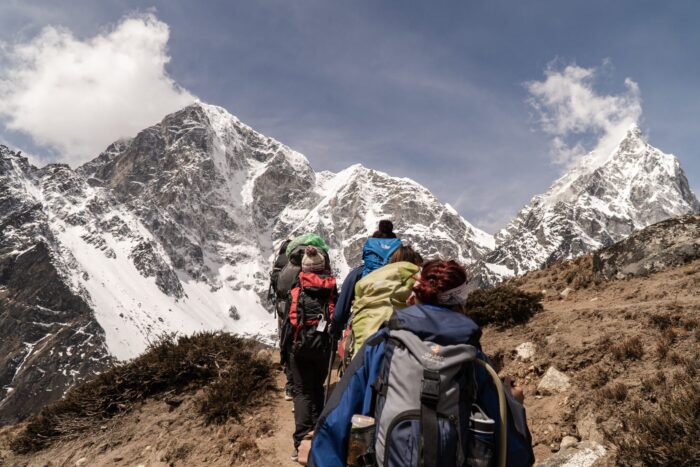
When travelers think of Nepal, the first images that come to mind are often the towering Himalayas, the legendary Everest Base Camp, and thrilling trekking adventures. While Nepal undoubtedly ranks among the world’s greatest trekking destinations, the country offers much more than mountain trails. Rich cultural traditions, centuries-old temples, flavorful cuisine, artisan craftsmanship, and elegant boutique accommodations make Nepal an exceptional destination even for travelers who never lace up hiking boots.
Whether you’re planning a relaxing holiday, a cultural escape, or a luxury vacation, Nepal promises memorable experiences that extend far beyond its famous peaks.
Experience Nepal’s Rich Cultural Heritage
Nepal is home to over 120 ethnic communities, each preserving unique customs, languages, festivals, and artistic traditions. This remarkable diversity creates one of South Asia’s richest cultural landscapes.
Explore Kathmandu Valley
The Kathmandu Valley is a UNESCO World Heritage treasure filled with ancient cities and sacred monuments. Visitors can wander through:
- Kathmandu Durbar Square
- Patan Durbar Square
- Bhaktapur Durbar Square
- Swayambhunath (Monkey Temple)
- Boudhanath Stupa
- Pashupatinath Temple
The narrow streets reveal beautifully carved wooden windows, traditional courtyards, vibrant local markets, and centuries-old temples that continue to play an important role in everyday life.
Witness Traditional Festivals
Nepal celebrates numerous festivals throughout the year. Some of the most vibrant include:
- Dashain
- Tihar
- Holi
- Indra Jatra
- Buddha Jayanti
These celebrations feature colorful processions, music, dance, decorated temples, and community gatherings that provide visitors with authentic cultural experiences.
Meet Local Artisans
Travelers can visit workshops where artisans continue centuries-old traditions of:
- Wood carving
- Metal sculpture
- Thangka painting
- Pottery making
- Handwoven textiles
Purchasing locally made handicrafts supports communities while offering meaningful souvenirs.
Savor Authentic Nepali Cuisine
Nepali cuisine reflects influences from Tibet, India, and local Himalayan communities while maintaining its own distinctive identity.
Must-Try Nepali Dishes
Dal Bhat
The country’s staple meal consists of steamed rice served with lentil soup, seasonal vegetables, pickles, curries, and sometimes meat. It’s nutritious, flavorful, and widely enjoyed across Nepal.
Momos
Perhaps Nepal’s most famous food, momos are steamed or fried dumplings filled with vegetables, chicken, buffalo meat, or cheese, accompanied by spicy tomato chutney.
Newari Cuisine
Originating from the Newar community, this cuisine offers rich flavors and unique specialties including:
- Chatamari
- Bara
- Yomari
- Choila
These traditional dishes showcase Nepal’s culinary diversity.
Sel Roti
A homemade rice flour ring bread, Sel Roti is especially popular during festivals and pairs perfectly with yogurt or tea.
Café Culture in Nepal
Cities like Kathmandu and Pokhara boast a thriving café scene where travelers can enjoy:
- Organic Himalayan coffee
- Fresh bakery items
- Farm-to-table cuisine
- Rooftop dining
- Fusion restaurants
Many cafés emphasize sustainability by sourcing ingredients from nearby farms.
Stay in Charming Boutique Hotels
Luxury travel in Nepal is evolving beyond international hotel chains. Boutique hotels provide personalized service, local architecture, and authentic hospitality.
Heritage Boutique Hotels
Many restored heritage homes now operate as elegant boutique properties featuring:
- Traditional Newari architecture
- Handcrafted wooden interiors
- Courtyard gardens
- Local artwork
- Personalized guest experiences
These accommodations allow visitors to immerse themselves in Nepalese history while enjoying modern comforts.
Boutique Mountain Retreats
Even without trekking, travelers can experience breathtaking Himalayan views from boutique resorts located near:
- Pokhara
- Nagarkot
- Dhulikhel
- Bandipur
These peaceful retreats offer wellness programs, yoga sessions, spa treatments, and panoramic sunrise views.
Eco-Friendly Lodges
Sustainable tourism continues to grow across Nepal. Many boutique accommodations now focus on:
- Solar energy
- Rainwater harvesting
- Organic gardens
- Plastic-free operations
- Community employment
These environmentally responsible stays allow travelers to minimize their ecological footprint.
Discover Hidden Cultural Towns
While Kathmandu attracts most visitors, several smaller destinations provide authentic local experiences.
Bhaktapur
Often called Nepal’s living museum, Bhaktapur features:
- Medieval architecture
- Pottery Square
- Ancient temples
- Local crafts
- Traditional festivals
Walking through its cobbled streets feels like stepping back in time.
Bandipur
This beautifully preserved hilltop town offers:
- Colonial architecture
- Scenic mountain views
- Local homestays
- Peaceful walking streets
- Traditional cafés
Bandipur is perfect for travelers seeking slower, immersive experiences.
Tansen
Located in western Nepal, Tansen combines rich history with excellent local handicrafts, hilltop viewpoints, and warm hospitality.
Wellness and Spiritual Experiences
Nepal’s spiritual atmosphere extends beyond famous temples.
Visitors can participate in:
- Meditation retreats
- Yoga classes
- Buddhist monastery visits
- Ayurveda therapies
- Sound healing sessions
These experiences encourage relaxation while introducing travelers to Nepal’s spiritual traditions.
Wildlife Adventures Beyond the Mountains
Nepal’s lowland regions offer incredible biodiversity.
National parks such as Chitwan and Bardia provide opportunities to see:
- One-horned rhinoceroses
- Bengal tigers
- Asian elephants
- Crocodiles
- Hundreds of bird species
Jeep safaris, canoe rides, and guided jungle walks complement Nepal’s cultural experiences.
Shop for Authentic Local Products
Shopping in Nepal supports local artisans while preserving traditional craftsmanship.
Popular purchases include:
- Pashmina shawls
- Handmade paper products
- Singing bowls
- Prayer flags
- Handcrafted jewelry
- Tibetan carpets
- Wooden sculptures
Local markets and artisan cooperatives often provide higher-quality handmade products than commercial souvenir stores.
Best Time to Visit Nepal
Although trekking seasons remain popular, Nepal welcomes visitors throughout the year.
- Spring (March–May): Pleasant temperatures and blooming rhododendrons.
- Autumn (September–November): Clear skies, festivals, and ideal sightseeing.
- Winter (December–February): Crisp weather with fewer crowds in cultural destinations.
- Monsoon (June–August): Lush landscapes, discounted accommodations, and vibrant countryside.
Each season offers unique experiences depending on your travel interests.
Travel Tips for Exploring Nepal Beyond Trekking
- Spend time exploring heritage neighborhoods on foot.
- Try regional cuisines rather than sticking to international restaurants.
- Stay in locally owned boutique hotels whenever possible.
- Respect local customs and dress modestly at religious sites.
- Carry cash for smaller markets and rural areas.
- Learn a few simple Nepali greetings to connect with locals.
Conclusion
Nepal is far more than a trekking destination. Its living heritage, welcoming communities, delicious cuisine, peaceful boutique hotels, and diverse cultural experiences create a rewarding journey for every kind of traveler. Whether you’re wandering ancient palace squares, enjoying authentic Newari delicacies, relaxing in a boutique mountain retreat, or exploring vibrant local festivals, Nepal reveals a side that many visitors overlook.
For travelers seeking meaningful experiences, cultural immersion, and exceptional hospitality, Nepal beyond trekking offers an unforgettable adventure that stays with you long after the journey ends.