


Discover why Bali’s iconic cliffside performance remains one of the island’s most unforgettable cultural experiences.
A Sunset Spectacle Unlike Any Other
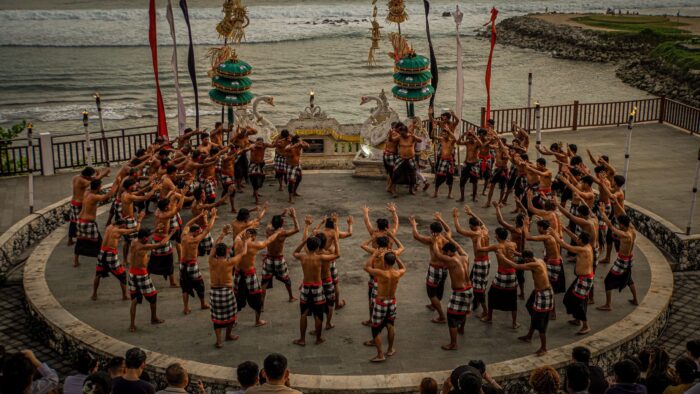
As the golden sun slowly descends into the vast expanse of the Indian Ocean, a rhythmic chorus begins to rise from the cliffs of southern Bali. Against a backdrop of fiery skies and crashing waves, hundreds of voices chant in unison, creating an atmosphere that is both mystical and electrifying. This is the legendary Kecak Fire Dance at Uluwatu Temple, one of Bali’s most captivating cultural attractions.
For travelers seeking an authentic Balinese experience, witnessing the Kecak Fire Dance at sunset is far more than entertainment—it’s an immersive journey into the island’s spiritual heritage, artistic traditions, and timeless storytelling.
Uluwatu Temple: Bali’s Sacred Cliffside Sanctuary
Perched dramatically on a 70-meter-high limestone cliff overlooking the Indian Ocean, Uluwatu Temple (Pura Luhur Uluwatu) is among Bali’s most revered sea temples. Dating back to the 10th century, the temple is dedicated to protecting the island from evil sea spirits and holds immense spiritual significance for the Balinese people.
The temple’s striking location offers panoramic ocean views, making it one of Bali’s most photographed landmarks. Visitors flock here not only to admire its intricate architecture and sacred atmosphere but also to witness one of the island’s most celebrated cultural performances—the Kecak Fire Dance.
The Fascinating Origins of the Kecak Dance
Unlike many traditional dance forms accompanied by orchestral music, the Kecak Dance relies entirely on the human voice. Often called the “Monkey Chant Dance,” the performance features a large circle of male performers chanting rhythmic sounds of “cak-cak-cak” in perfect synchronization.
The dance gained popularity in the 1930s when it evolved from ancient Balinese trance rituals and was adapted to tell stories from the Hindu epic, the Ramayana. Today, it remains one of Bali’s most recognizable cultural expressions.
The performance vividly narrates the tale of Prince Rama’s quest to rescue his wife Sita from the demon king Ravana, aided by the heroic monkey god Hanuman.
A Performance That Captivates Every Sense
As darkness slowly envelops the temple grounds, the Kecak Fire Dance unfolds in a mesmerizing blend of movement, sound, and fire.
The performers form a massive circle around the stage, creating hypnotic rhythms through synchronized chanting. There are no drums, no musical instruments, and no recorded tracks—only the powerful collective voices of the performers.
The storytelling comes alive through:
- Intricate choreography
- Elaborate traditional costumes
- Dramatic facial expressions
- Dynamic fire sequences
- Emotional portrayals of iconic Ramayana characters
The use of fire adds intensity and symbolism to the performance, representing purification, power, and spiritual energy within Balinese culture.
Why the Sunset Setting Makes It Magical
The timing of the performance is no coincidence.
As the Kecak Dance begins, visitors are treated to one of Bali’s most breathtaking sunsets. Shades of orange, crimson, pink, and purple paint the sky while the ocean reflects the fading light below.
The dramatic cliffside setting transforms the performance into a cinematic experience. The silhouette of the temple against the sunset creates a visual masterpiece that enhances the emotional impact of the dance.
When the torches are lit and flames begin to flicker against the darkening sky, the atmosphere becomes truly unforgettable.
An Interactive Cultural Experience
One of the reasons visitors remember the Kecak Fire Dance long after their Bali vacation is the sense of connection it creates.
The audience becomes immersed in the performance as the chants echo through the amphitheater. Gasps, applause, and shared reactions create a communal atmosphere where spectators feel part of the story unfolding before them.
The dance transcends language barriers, making it accessible to visitors from around the world. Through movement, expression, and rhythm, universal themes of love, loyalty, courage, and the battle between good and evil resonate deeply with audiences.
Practical Tips for Visiting the Kecak Fire Dance
Best Time to Visit
The ideal period to visit Uluwatu Temple is during Bali’s dry season, from April to October, when clear skies enhance sunset views.
Arrival Time
Arrive at least one hour before the performance to:
- Explore the temple grounds
- Enjoy the sunset
- Secure better seating
What to Wear
As Uluwatu Temple is a sacred site:
- Dress modestly
- Cover shoulders and knees
- Wear comfortable footwear for walking
Sarongs are typically provided at the entrance for visitors.
What to Bring
- Camera or smartphone
- Light jacket for evening breezes
- Water bottle
- Sunglasses for sunset viewing
More Attractions Near Uluwatu Temple
Make the most of your visit by exploring nearby attractions:
Padang Padang Beach
A beautiful beach famous for surfing and crystal-clear waters.
Suluban Beach
Known for its dramatic caves, hidden coves, and world-class surf breaks.
Garuda Wisnu Kencana Cultural Park
A sprawling cultural complex featuring one of Indonesia’s tallest statues and regular cultural performances.
Cliffside Dining Experiences
Several restaurants around Uluwatu offer stunning ocean views and exceptional local and international cuisine, making them perfect for a post-performance dinner.
Why the Kecak Fire Dance Should Be on Every Bali Itinerary
In a world increasingly shaped by modern entertainment, the Kecak Fire Dance stands as a powerful reminder of the enduring beauty of traditional art and storytelling.
The combination of:
- Ancient mythology
- Spiritual symbolism
- Spectacular ocean views
- Mesmerizing chants
- Dramatic fire performances
creates an experience unlike anything else in Bali.
Whether you’re a culture enthusiast, photographer, history lover, or first-time visitor to the Island of the Gods, the Kecak Fire Dance at Uluwatu Temple offers an unforgettable glimpse into the soul of Balinese culture.
Final Thoughts
The Kecak Fire Dance at Uluwatu Temple is more than a performance—it’s a celebration of Bali’s rich heritage, spiritual traditions, and artistic brilliance. As the chants echo across the cliffs and the sun disappears beyond the horizon, visitors are left with memories that linger long after their journey ends.
For anyone planning a trip to Bali, this extraordinary sunset spectacle deserves a place at the very top of the itinerary.