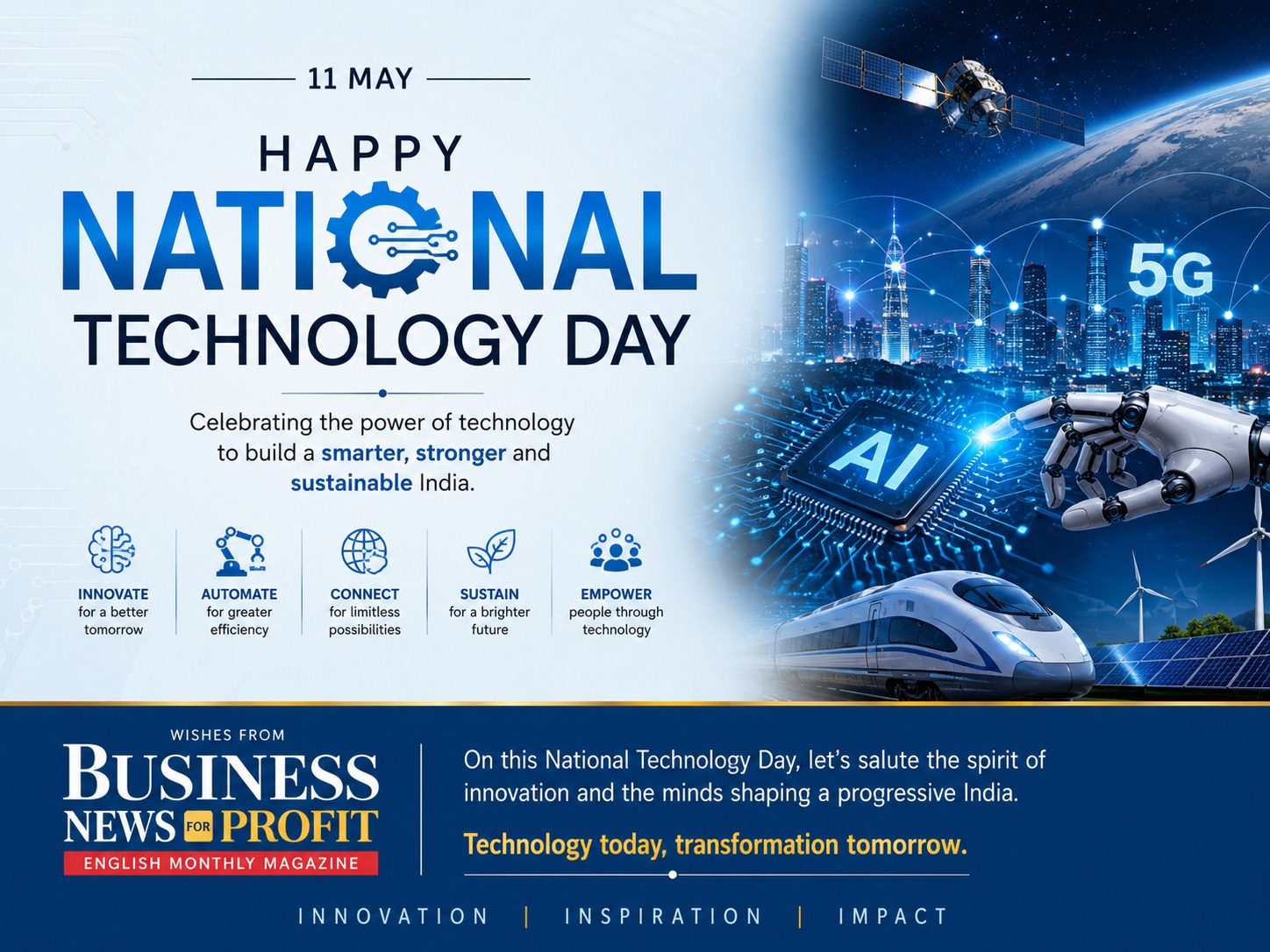
National Technology Day in India is observed every year on May 11 to celebrate the country’s scientific and technological accomplishments. The day marks the historic success of India’s Pokhran-II nuclear tests in 1998, symbolizing the nation’s growing strength in defense and research. Beyond this milestone, the day honors achievements across sectors such as space, information technology, and engineering, emphasizing the importance of innovation in building a self-reliant and technologically advanced India.
Key Aspects of National Technology Day
- History: On May 11, 1998, India performed its first indigenous aircraft (Hansa-3) test flight, successful Trishul missile test firing, and three successful nuclear bomb tests in Pokhran, Rajasthan.
- Origin: The day was officially declared by former Prime Minister Atal Bihari Vajpayee in 1999 to recognize the contributions of scientists, researchers, and engineers.
- Significance: It reinforces India’s technological strength and marks a shift toward building a self-reliant, digital-focused nation.
- Celebrations: The Technology Development Board (TDB) organizes events and confers the National Technology Awards on scientists and innovators.
The Significance of Technology in Modern Life
Technology profoundly influences every aspect of modern life, from healthcare and education to transportation and communication. In education, digital classrooms and online platforms enable students to access resources regardless of location, while interactive tools like virtual reality enhance personalized learning experiences. In healthcare, telemedicine, electronic health records, and AI-powered diagnostics improve patient care and accessibility. Transportation has been transformed through smart systems, electric vehicles, and ride-sharing platforms, promoting efficiency and sustainability. Additionally, communication technology allows instantaneous connectivity, bridging geographical gaps and enabling global collaboration.
Pioneering Innovations That Shaped the World
Human progress has been driven by groundbreaking technological innovations. The internet revolutionized information access and communication, while mobile technology made connectivity ubiquitous and introduced tools that improve daily life. Advances in renewable energy, such as solar and wind power, address environmental challenges and promote sustainable practices. Meanwhile, artificial intelligence enhances decision-making across industries, streamlines processes, and personalizes user experiences, reshaping how we interact with technology.
Honoring Pioneers: Celebrating the Innovators Who Shaped Technology
National Technology Day is also an occasion to celebrate the individuals who have revolutionized our world. Thomas Edison, with his inventions like the electric light bulb, transformed industry and daily life. Ada Lovelace, regarded as the first computer programmer, envisioned computing beyond mere calculations, laying the foundation for modern computer science. Innovators like Steve Jobs and Steve Wozniak revolutionized personal computing and mobile technology, inspiring generations to think creatively and push technological boundaries. Recognizing these pioneers highlights the enduring impact of individual ingenuity on society.
Education: Nurturing Future Innovators
Education is critical to fostering innovation. Emphasizing STEM (science, technology, engineering, and mathematics) education equips students with critical thinking, problem-solving, and creativity skills essential for technological advancement. Hands-on programs such as robotics competitions, coding camps, and science fairs help students apply theory in practical scenarios. Partnerships between industry and educational institutions further bridge the gap between learning and real-world technological applications, ensuring a skilled and informed workforce.
Addressing Challenges and Ethics
Rapid technological growth also brings challenges, including privacy, cybersecurity, and ethical considerations. The proliferation of data-driven technologies raises concerns about the misuse of personal information. Cybersecurity threats continue to evolve, posing risks to individuals and organizations. Ethical dilemmas surrounding automation, AI decision-making, and algorithmic bias require thoughtful regulation and transparency. Ensuring responsible innovation is crucial to harnessing technology for societal benefit while safeguarding rights and fairness.
Future Trends in Technology
Emerging technologies promise transformative changes. Quantum computing offers unprecedented computational power for problem-solving in sectors like cryptography and medicine. Biotechnology, including gene editing, could revolutionize healthcare and agriculture. Emphasis on sustainable technologies and renewable energy will address climate change and support resilient infrastructures. These advancements, when implemented responsibly, have the potential to redefine how society operates and interacts with technology.
Celebrating and Participating in National Technology Day
National Technology Day encourages active engagement with technology through workshops, seminars, and community programs. Students and professionals can participate in coding challenges, science fairs, and interactive discussions. Community outreach initiatives, such as teaching digital skills to underserved populations, promote inclusivity and bridge the digital divide. Social media can further amplify awareness by sharing innovative ideas and achievements, inspiring wider participation.
Conclusion: Embracing Innovation for a Better Future
National Technology Day reminds us that innovation is the cornerstone of societal progress. By celebrating achievements in AI, renewable energy, biotechnology, and other fields, we acknowledge technology’s transformative power. Encouraging creativity, collaboration, and responsible use of technology ensures a future where innovation benefits everyone. As we honor the pioneers and breakthroughs of the past, we must also invest in education, research, and ethical practices to build a sustainable, prosperous, and technologically empowered society.