


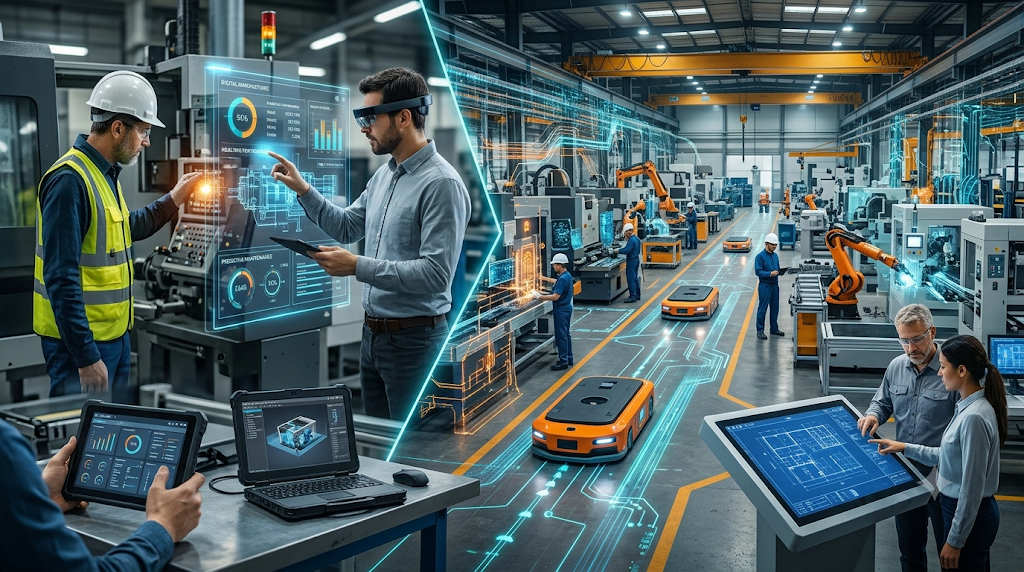
Digital transformation is reshaping traditional industries by changing how businesses operate, manage resources and connect with customers. Sectors such as manufacturing, agriculture, construction, healthcare and retail are increasingly adopting digital tools to improve efficiency, reduce operating costs and respond to changing market demands. What was once considered an advantage for technology companies is now becoming an important growth strategy for businesses across the wider economy.
For decades, many traditional businesses have depended on manual processes, conventional management systems and established ways of reaching customers. While these methods have supported industrial growth, rising competition, changing consumer expectations and operational challenges are encouraging companies to rethink their approach. Digital technology is helping businesses modernise existing operations without necessarily changing the core products or services they offer.
For entrepreneurs and established companies alike, this shift is creating opportunities to improve productivity, reach new markets and develop additional sources of revenue.
Manufacturing Is Moving Towards Smarter Production
Manufacturing is among the sectors experiencing significant changes through digital adoption. Factories are increasingly using connected equipment, automated production systems and data analytics to improve manufacturing processes.
Digital monitoring systems can help businesses track machine performance, identify operational problems and schedule maintenance before equipment failures interrupt production. This can reduce unexpected downtime, improve productivity and help manufacturers manage maintenance expenses more effectively.
Automation is also reducing the time spent on repetitive activities, allowing employees to focus on quality control, technical operations and other skilled responsibilities.
For small and medium-sized manufacturers, adopting affordable digital systems can improve production planning, inventory management and order tracking. These improvements can make smaller businesses more competitive while helping them serve customers more efficiently.
Agriculture Is Gaining from Data-Driven Technology
Digital transformation is also creating new possibilities for agriculture, where productivity often depends on weather conditions, water availability, soil quality and timely access to market information.
Farmers are increasingly gaining access to digital platforms that provide information about weather forecasts, crop conditions, market prices and agricultural practices. Drones, satellite monitoring and smart irrigation systems can further help improve farm management and reduce unnecessary resource consumption.
These developments are opening business opportunities for agricultural technology startups, equipment providers, digital marketplaces and companies offering farm-management solutions.
For farmers, better access to information can support more informed decisions about cultivation, irrigation and crop planning. For agribusinesses, digital platforms can improve connections between farmers, suppliers, distributors and buyers, making agricultural supply chains more organised.
Construction Businesses Are Improving Project Management
The construction industry is another traditional sector where digital adoption is becoming increasingly valuable. Large projects involve multiple contractors, suppliers, workers and deadlines, making coordination a major operational challenge.
Digital project-management platforms, 3D modelling and Building Information Modelling (BIM) are helping construction companies improve planning and monitor project progress. These tools can identify design-related issues earlier, improve coordination between teams and reduce costly mistakes during execution.
Drones and digital site-monitoring systems are also helping project managers assess construction progress and monitor difficult-to-access locations.
For construction companies, better digital coordination can translate into improved cost management, fewer delays and more efficient use of materials and labour. Technology providers offering specialised construction software and monitoring services are also finding opportunities in this changing market.
Healthcare Is Becoming More Connected and Accessible
Digital transformation is changing how healthcare providers deliver services and interact with patients. Online appointment systems, electronic health records, teleconsultations and digital diagnostic platforms are making several healthcare services more convenient.
Patients can access medical consultations remotely, while healthcare professionals can use digital records to manage patient information and coordinate treatment more efficiently.
For hospitals and diagnostic centres, digital systems can improve administrative operations, appointment management and reporting processes. Healthcare startups are also developing platforms that connect patients with doctors, pharmacies and diagnostic services.
These developments are creating opportunities beyond traditional medical facilities. Businesses working in healthcare software, remote monitoring, digital diagnostics and medical technology can benefit from the growing need for connected healthcare services.
However, protecting patient information and maintaining the quality of medical care remain essential as digital adoption increases.
Retail and Customer Services Are Finding New Revenue Channels
Digital transformation is changing the relationship between traditional businesses and their customers. Retailers, hospitality providers and service companies are increasingly using websites, mobile applications and digital payment systems to make transactions easier.
Small retailers can now reach customers through online marketplaces and social media without depending entirely on physical storefronts. Digital payment facilities and inventory-management software also help businesses track transactions, monitor stock and manage daily operations.
Customer data can provide useful insights into buying preferences, allowing businesses to improve product recommendations, marketing campaigns and service delivery.
For traditional retailers, the opportunity is to combine the convenience of online services with the trust and personal interaction of physical stores. This approach can help businesses reach more customers while developing additional sales channels.
Automation Is Helping Businesses Control Operating Costs
One of the biggest advantages of digital transformation is its ability to reduce repetitive manual work. Businesses across industries are adopting automated systems for billing, payroll, inventory tracking, customer support and routine administrative activities.
Automation can reduce processing time, minimise avoidable errors and allow employees to concentrate on activities that require human judgement and expertise.
For small businesses operating with limited staff and tight margins, even basic digital tools can make a meaningful difference. Cloud-based accounting software, automated invoicing and digital customer-management systems can improve daily operations without requiring substantial investment in infrastructure.
The wider benefit is that businesses can handle growing workloads more efficiently while maintaining better control over operating expenses.
Digital Adoption Is Creating Opportunities for Small Businesses
Digital transformation is not limited to large corporations with substantial technology budgets. Affordable software, cloud services and digital platforms are making modern business tools increasingly accessible to smaller enterprises.
MSMEs can use digital payment systems, online marketplaces, customer-management applications and business analytics to improve their competitiveness. These tools can help local businesses expand beyond their immediate markets and connect with customers, suppliers and service providers in other regions.
This is particularly important for traditional businesses that have relied on local networks and conventional sales channels for years. Digital adoption can help them improve visibility, strengthen customer relationships and explore new business models.
At the same time, companies offering affordable software, digital consulting, cybersecurity and technology support services are gaining opportunities as more businesses begin their digital journey.
Skills, Investment and Security Will Shape Future Growth
Despite its benefits, digital transformation requires careful planning. The cost of technology, limited digital skills, resistance to organisational change and cybersecurity concerns can prevent businesses from adopting new systems effectively.
Companies need to invest not only in software and equipment but also in employee training and responsible data management. Choosing technology that addresses actual business requirements is equally important. Adopting expensive systems without a clear operational purpose can increase costs rather than improve efficiency.
A gradual approach, beginning with processes that offer immediate business value, can help traditional companies manage the transition more effectively.
The Next Phase of Traditional Industry Growth
Digital transformation is gradually becoming a business necessity rather than an optional investment. From smarter factories and technology-enabled farms to connected healthcare and digitally managed retail operations, traditional industries are discovering new ways to improve productivity and expand their markets.
The biggest opportunity lies in combining the experience and strengths of established businesses with the speed, efficiency and insights offered by modern technology.
Companies that approach digital adoption as a long-term business investment can improve operational performance, develop stronger customer relationships and create new revenue opportunities. Ultimately, the future of traditional industries will not depend on replacing their existing foundations, but on using technology to make those foundations stronger, more efficient and ready for the next stage of economic growth.