


New Delhi, Sep 04: As India observes National Nutrition Week, Vedanta Group is highlighting how community participation can strengthen childhood nutrition through its flagship social impact programme, Nand Ghar. Nand Ghar is a network of modernised Anganwadi centres focused on health and nutrition, early childhood education and women’s empowerment. At the heart of its nutrition efforts is the Mother’s Food Preparation Programme, where mothers become active participants in their children’s nutrition and wellbeing even outside the sphere of their home. They get to prepare fresh and tasty meals for children at the Nand Ghar. To date, the programme has engaged nearly 2 lakh mothers, enabled 15 lakh meals and disbursed nearly ₹60 lakh in renumeration through UPI, creating an additional avenue for mothers to earn while contributing directly to the wellbeing of children in their communities.
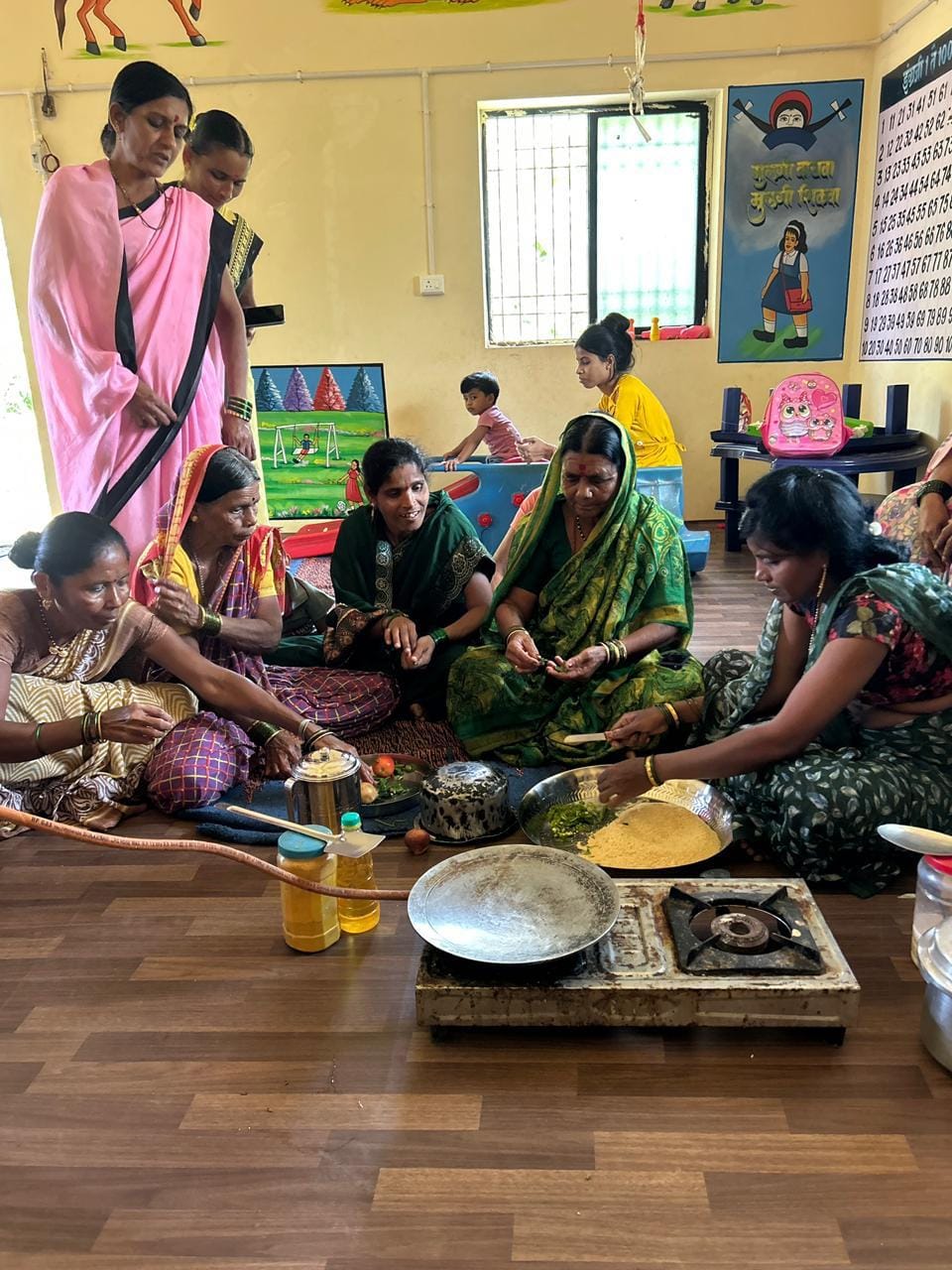
Today, Nand Ghar reaches nearly 5 lakh children and 4 lakh women through 15,000+ centres across 18 states, with interventions spanning nutrition, healthcare, early childhood development and women’s empowerment. Nand Ghar Didis help identify and engage mothers from the local community, with participation organised through a monthly roster to give mothers an opportunity to contribute.
The model brings the care and accountability of home-style food preparation into the Nand Ghar. With mothers directly involved in preparing meals, there is greater attention to freshness, cleanliness, and food quality, while the familiarity and care associated with home-cooked food can make mealtimes more engaging for children. The experience also gives mothers greater ownership of what children eat, helping translate awareness around healthy feeding into practices that can continue within their own homes.
The programme has shown encouraging outcomes among children. 97% of children are receiving food through the programme, while 97% of Nand Ghars report improved appetite and attendance among children. Further, 99% of children are observed to be active and happy after their meals, and 89% finish their entire meal. These outcomes highlight the potential of combining freshly prepared, tasty and nutritious food with active participation from mothers and local communities.
The nutrition programme is complemented by locally relevant interventions using locally available food ingredients, addressing different nutritional needs. These include millet-based Nutri Bars, Shishu Sanjeevani and fresh fruit supplementation.
Nand Ghar is also strengthening its approach through targeted, evidence-led interventions. Project Balvardhan in Rajasthanbrings together nutrition and health interventions to improve outcomes for children and mothers. Together, these efforts combine food supplementation, growth monitoring, maternal participation, nutrition awareness and healthcare support to address childhood nutrition more holistically.
Speaking on the occasion, Shashi Arora, CEO, Nand Ghar, said,
“Nutrition becomes truly sustainable when communities are empowered to make it a part of everyday life. By bringing mothers directly into food preparation and combining this with nutrition awareness, scientific interventions and healthcare support, we are helping families build healthier practices that can continue beyond the Nand Ghar. This approach reflects our Chairman, Anil Agarwal’s larger vision of creating meaningful and lasting change by empowering communities and investing in the wellbeing of India’s next generation. Our endeavour is to ensure that every child has access to the nourishment they need to grow, learn and thrive, while mothers are equipped with the knowledge, confidence and opportunity to play an active role in shaping their children’s development.”
Nand Ghar’s integrated approach recognises that nutrition, health, learning and early childhood development are closely connected. By placing mothers and communities at the centre of its nutrition efforts, the initiative aims to create healthier childhoods while building practices and awareness that can have a lasting impact on families.