


Aug 5 : TANAKA PRECIOUS METAL TECHNOLOGIES Co., Ltd., a company engaged in the industrial precious metals business of TANAKA, today announced the development of the MOC1-30 series methane oxidation catalyst which has excellent resistance to sulfur and maintains high purification performance over an extended period of time.
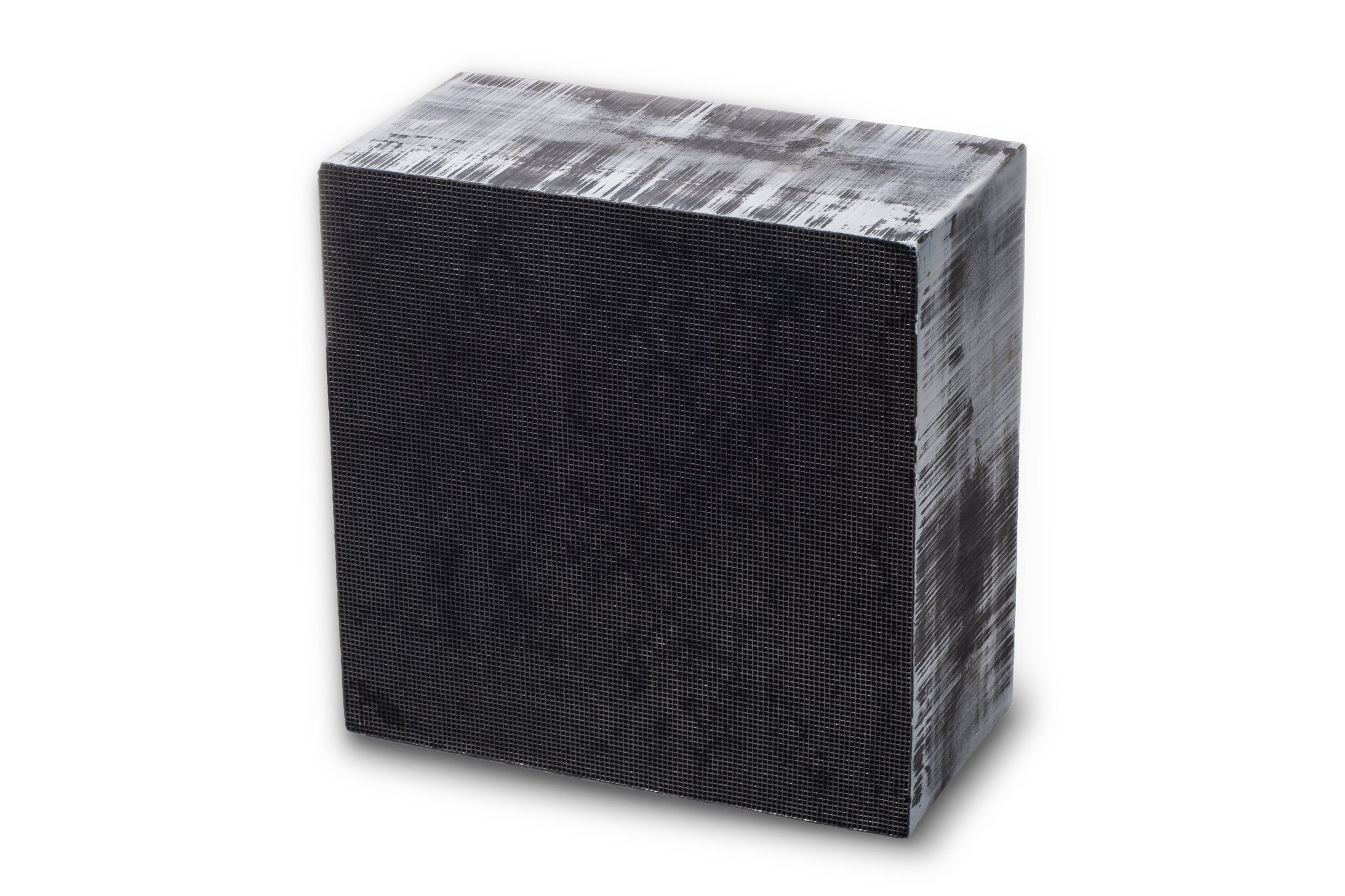
The product is designed to remove methane from the exhaust emissions of gas engines powered by fuels such as natural gas and city gas. Since methane has a greenhouse effect approximately 25 times greater than carbon dioxide , reducing these emissions have become a growing priority worldwide. This methane oxidation catalyst addresses the long-standing challenge of sulfur-induced catalyst deactivation and maintains more than 80 percentage methane conversion even after 1,000 hours of continuous operation at an inlet gas temperature of 350oC.
MOC1-30 series
■ Background to Development
In recent years, the growing adoption of natural gas-powered generation systems and marine vessels, together with increasingly stringent emission regulations, has accelerated demand for technologies that further reduce methane emissions. Because methane has a significantly greater greenhouse effect than CO₂, reducing methane emissions has become an important global climate priority, driving the need for more advanced methane abatement technologies.
Meanwhile, gases derived from liquefied natural gas and odorants1 often contain sulfur, and conventional methane oxidation catalysts faced the challenge of reduced catalytic activity due to the influence of sulfur. Furthermore, platinum particles, which serve as the active sites for catalytic reactions, undergo sintering under high temperature operating conditions, resulting in reduced catalytic performance. In addition, desulfurization systems are commonly used to remove sulfur compounds. However, complete sulfur removal is difficult to achieve, and even trace amounts of sulfur can contribute to catalyst degradation.
Therefore, there was a need to develop a methane oxidation catalyst that limits the reduction in catalytic performance and can maintain stable performance even in the presence of sulfur and under high-temperature environments.
■ Features of Technology Developed in this Product
Using a proprietary technology, TANAKA’s MOC1-30 methane oxidation catalyst converts sulfur adsorbed on the catalyst surface into sulfur trioxide (SO3) while maintaining the bonding between Pt particles and the catalyst support. This suppresses the inhibition of reactions caused by sulfur and the agglomeration of Pt particles, preventing a reduction in catalytic performance, thereby maintaining stable catalytic activity for an extended period.
In addition, TANAKA has established an integrated system covering the entire value chain, from procurement and material development to manufacturing, sales, and recycling. The MOC-1-30 series is also compatible with precious metal recycling after use. Leveraging its unique capability across the entire catalyst value chain, from precious metal material development to catalyst design and manufacturing, TANAKA aims to introduce this solution to the global market to help reduce environmental impact while supporting resource circularity.
■ Performance evaluation results
In the catalytic performance evaluation of this product, it was confirmed that under model gas conditions containing 2,000 ppm of methane, 10% oxygen , and 1 ppm of sulfur dioxide in nitrogen gas, a methane conversion3 of at least 80% was maintained even after 1,000 hours of continuous reaction. In addition, the catalyst was confirmed to maintain a high methane conversion of approximately 90% after 100 hours of continuous reaction under model gas conditions containing 3 ppm of sulfur dioxide. Furthermore, MOC1-30 showed excellent durability when compared to conventional Pt-based and palladium -based catalysts, confirming results significantly exceeding those of conventional catalysts.
Based on these results, MOC1-30 has excellent sulfur resistance and methane purification performance. It is expected to be a catalyst that contributes toward reducing emitted methane in applications such as gas engines for ships and stationary gas engines.
■ Implementation effects and prospects
In addition to helping meet methane emission regulations, MOC1-30 can reduce operating costs by extending catalyst lifespan and reducing the need for frequent replacements. It can also reduce reliance on desulfurization systems, contributing toward improving overall system efficiency. This product is expected to achieve a balance between environmental performance and economic feasibility, and at the same time, the used catalyst can be recovered and recycled, thereby contributing to sustainable resource circulation.
Currently, the scope of gas engine application is expanding, including ship propulsion, emergency power generation, and distributed power for data centers. Correspondingly, investment demand for reducing methane emissions is also expected to increase. In the growing market for gas engines, MOC1-30 offers a compelling solution that contributes to the realization of a carbon-neutral society by both reducing greenhouse gas emissions and optimizing costs.
For decades, TANAKA has developed a wide range of precious metal catalysts for applications including emission control and energy-related technologies. In recent years, the company has also focused on technologies that support carbon neutrality, and the MOC1-30 series was developed as part of these efforts. Leveraging its integrated value chain, from bullion procurement and technology development to manufacturing, sales, and precious metal recycling, TANAKA will continue to contribute to industrial decarbonization and the realization of a sustainable society.