


Sajana flowers, scientifically known as Moringa oleifera, are widely recognized for their beauty, nutritional value, and medicinal importance. Often called the drumstick or miracle tree, this plant originates from the Indian subcontinent and is now grown in many tropical and subtropical regions around the world. Its flowers are especially admired during the spring season when they bloom in abundance, marking the arrival of warmth and renewal in nature.
Botanical Features and Appearance
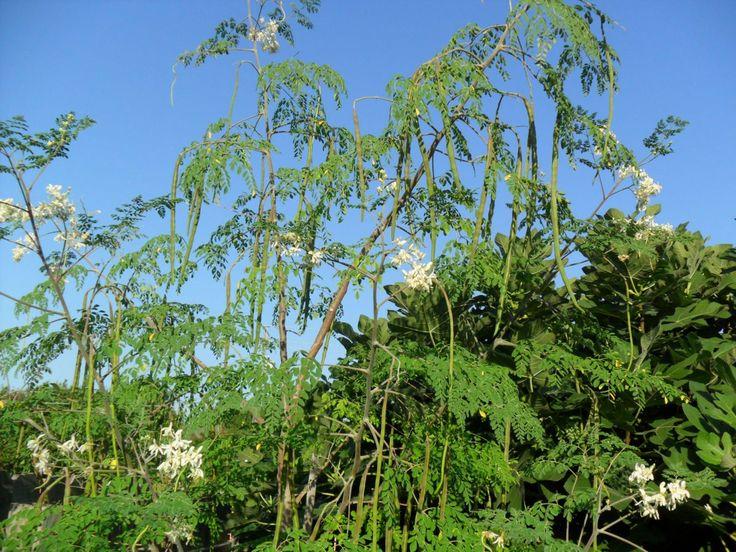
Sajana flowers are small, delicate blooms that usually appear in white or cream shades. They grow in clusters and create a soft, attractive visual display during blooming season. These flowers are mildly fragrant and play an important ecological role by attracting bees and other pollinators. Their seasonal bloom adds freshness to the environment and reflects the natural cycle of change in spring.
Cultural and Traditional Importance
In many cultures, sajana flowers hold deep symbolic value. They are associated with purity, prosperity, and well-being and are often used in traditional ceremonies and festivals. In some regions, they are included in wedding decorations and rituals as a symbol of new beginnings and happiness. Their presence in cultural art, folklore, and traditions highlights their long-standing significance in human life.
Culinary Uses and Nutritional Value
Sajana flowers are widely used in cooking, especially in traditional dishes across South Asia. They are added to curries, salads, fritters, and teas, giving food a unique flavor and aroma. Rich in vitamins A, C, and E, along with calcium and iron, these flowers provide strong nutritional benefits. Their inclusion in meals supports a healthy and balanced diet while enhancing taste.
Medicinal Benefits of Sajana Flowers
In traditional medicine systems like Ayurveda, sajana flowers are valued for their healing properties. They are used to treat respiratory issues, digestive problems, and infections. Rich in antioxidants and anti-inflammatory compounds, they help improve immunity and overall health. Modern studies also suggest potential benefits for heart health and metabolic balance.
Environmental Significance
Sajana flowers contribute positively to the environment by supporting biodiversity. They provide nectar for pollinators such as bees and butterflies and help improve soil fertility through the moringa tree’s natural properties. Their cultivation supports sustainable ecosystems, although careful management is needed to avoid environmental imbalance.
Sajana Flowers and the Spirit of Spring
Spring is the peak blooming season for sajana flowers, making them a natural symbol of renewal and freshness. Their vibrant presence reflects growth, hope, and the beginning of a new cycle in nature. In many communities, their bloom is celebrated as a sign of prosperity and positive change.
Conclusion
Sajana flowers are much more than seasonal blooms they represent a blend of beauty, nutrition, culture, and ecological value. Their presence during spring enhances natural landscapes while also supporting human health and traditions. Appreciating these flowers allows us to connect more deeply with nature and recognize their importance in both cultural and environmental contexts.
