


Sep 08: India’s rapidly ageing population is creating a growing need for healthcare and care services that extend beyond episodic hospitalisation. As longevity increases, prolonged rehabilitation, nursing and palliative care, assistance with daily activities, dementia supervision and residential care are emerging as sustained financial needs for families.
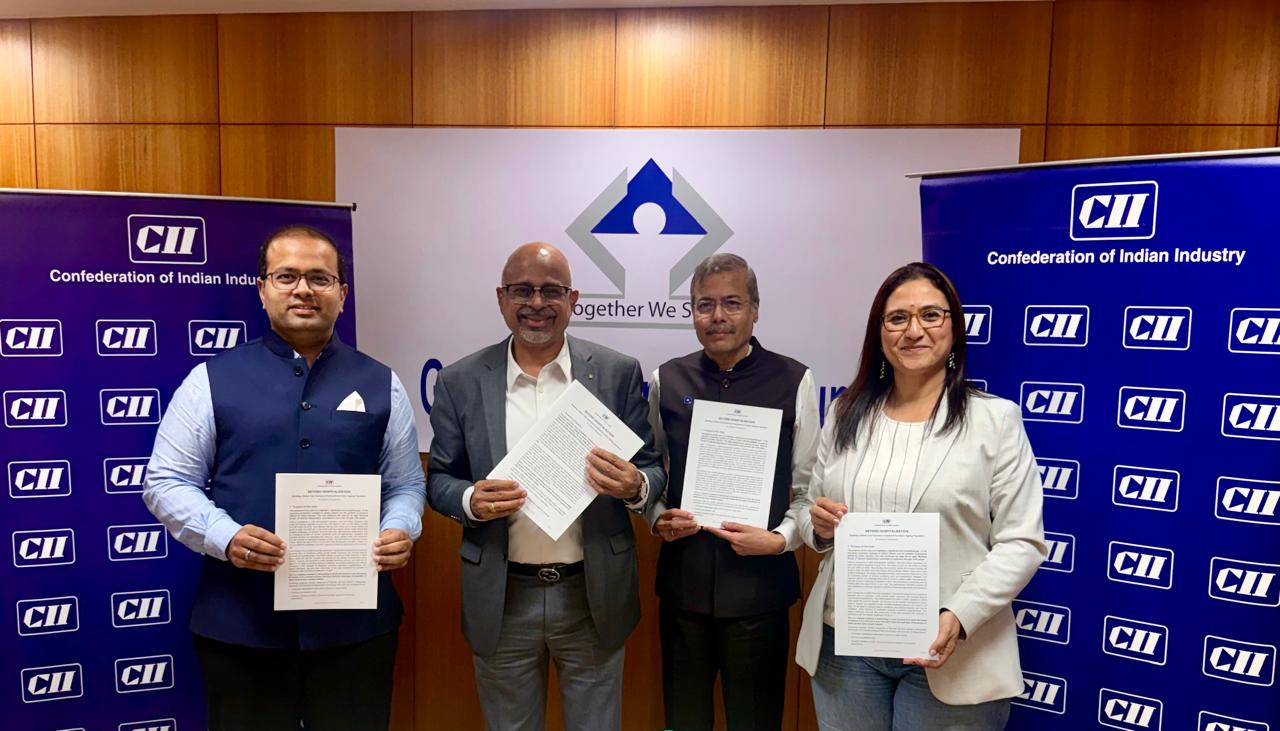
The need for a structured approach to financing such care was discussed at the General Insurance Council Council Meeting held in Mumbai on September 4, 2026. Against this backdrop, senior care and insurance experts have called for Long-Term Care to be recognised as a distinct, insurable risk, separate from acute hospitalisation.
The proposed framework recommends a phased approach that enables insurers and senior-care stakeholders to build experience, generate Indian data and progressively develop sustainable LTC products. The key recommendations include:
-
Recognising Long-Term Care as a distinct, insurable risk category, separate from acute hospitalisation and focused on prolonged care and loss of independence.
-
Introducing LTC and cognitive-impairment riders on existing retail and group health insurance policies, providing an initial pathway to address an underserved need.
-
Developing standalone Long-Term Care and assisted-living insurance products over a 2–3-year horizon, with benefits linked to defined care-dependency triggers, including inability to perform a specified number of Activities of Daily Living or significant cognitive impairment.
-
Linking insurance coverage to licensed and accredited care facilities that meet defined quality and safety standards, supporting greater confidence in care delivery and network empanelment.
-
Simplifying claims and assessment processes for cognitive impairment, including elder-friendly claims procedures and standardised assessment formats that can be used by treating clinicians.
-
Exploring premium incentives and tax-linked support for LTC products to improve affordability and encourage wider adoption.
-
Piloting LTC products and riders before developing comprehensive offerings, through structured dialogue between insurers and senior-care stakeholders to generate real-world utilisation, dependency, rehabilitation, caregiver and cost data to inform product design and pricing.
While government programmes and private health insurance provide important layers of healthcare protection, significant expenditure on caregivers, rehabilitation, home healthcare, dementia care, assisted living and continuing care remains out-of-pocket for families. The proposed approach seeks to bridge the gap between financing medical treatment and financing prolonged care and dependency.
Dr. Karthik Narayan R, Founder & MD, Athulya Senior Care, and Chairperson CII Committee on Senior Care said,
“India’s ageing journey is changing the nature of healthcare demand. As people live longer, a larger proportion will require support with daily activities, rehabilitation, assisted living or cognitive care for extended periods. These needs can place a considerable financial burden on families because traditional health insurance is largely designed around medical treatment and hospitalisation. Recognising long-term care as a distinct insurable risk can help bridge this gap and give families greater financial predictability. A phased approach, beginning with riders and group pilots and gradually evolving towards comprehensive LTC products, can help build a sustainable model for India.”
Dr S Prakash, CEO of GIC Health, highlighted the insurance industry’s potential role in addressing care needs for India’s ageing population. Commenting on this, he said,
“Insurance companies want to have an Inclusive approach to help penetrate health insurance in India. To do this effectively for elderly citizens, we need clear guidelines on who qualifies for coverage, how care needs are assessed, quality standards for care providers, and fair pricing. This can be done via a phased approach, starting with pilot programmes and employer-linked insurance plans to cover elderly can help insurers gain experience and collect data. This foundation should enable insurers to design better, more sustainable long-term care products over time.”
Mr. Shyam Viswanathan, Co-Founder of Dementia India Alliance (DIA) and Association for Healthy Ageing (AHA), said:
“Dementia is a particularly important consideration in long-term care, since the need for support may prolong over several years – and well beyond the treatment of the underlying medical condition. Families often have to manage the costs of supervision, daily assistance and supportive or residential care. Insurance products that recognise long-term care and dependency as distinct financial risks will provide families with greater choice and security. It is equally important to have caregiver-friendly claims processes and access to a variety of care settings, apart from hospitals.’’