


Pune: Blood in the urine in an elderly dog can easily be mistaken for a urinary infection or another routine urinary problem. In Angel’s case, the symptom persisted for nearly six months. The 15-year-old female Shih Tzu, weighing just 5.6 kg, was eventually found to have two tumours, each measuring 2 cm, in her urinary bladder, which were later diagnosed as transitional cell carcinoma (TCC).
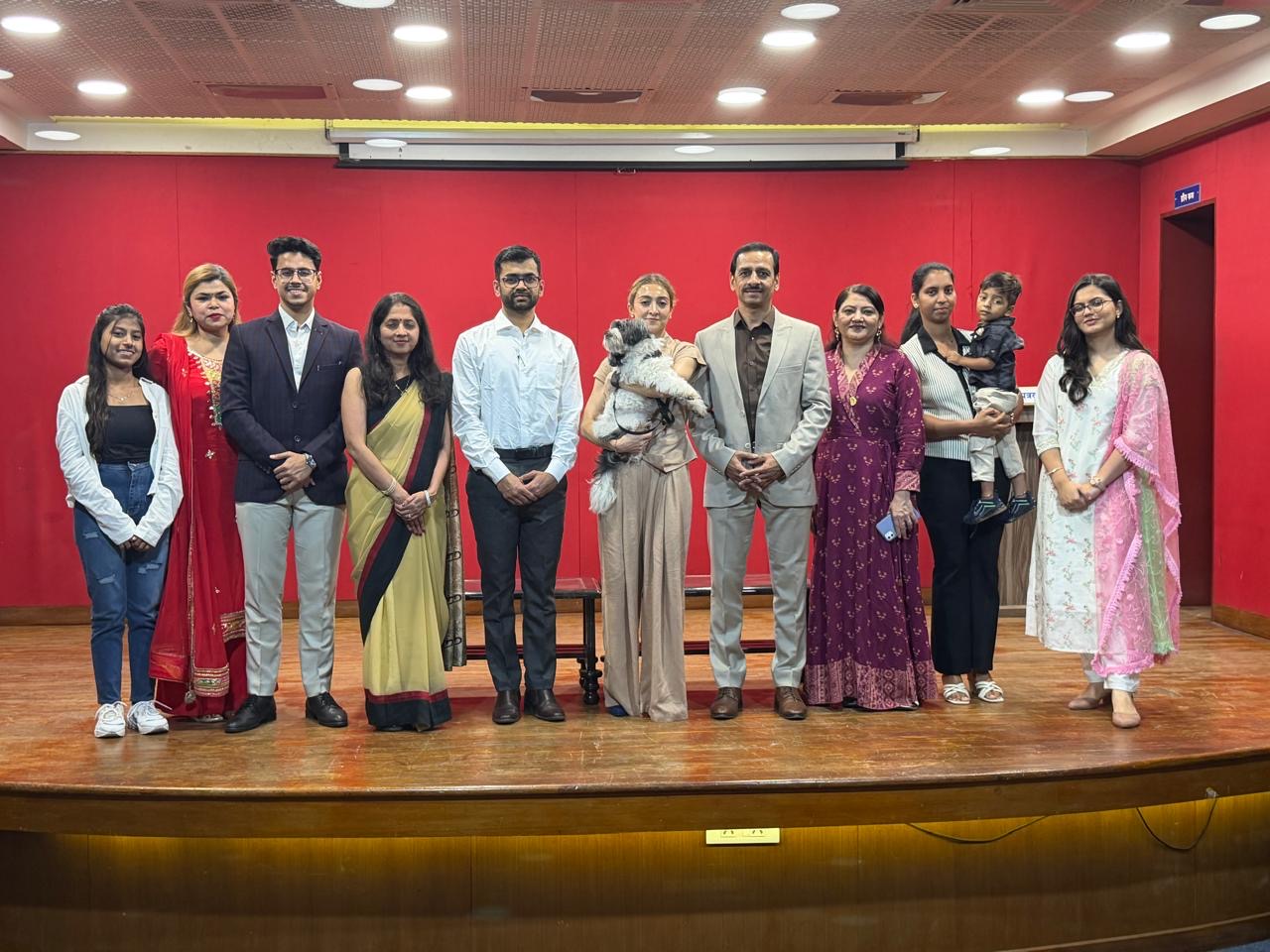
A team led by Dr. Narendra Pardeshi, Veterinary Minimally Invasive Laparoscopic Surgeon, along with Dr. Oojas Pardeshi, Veterinary Assistant Surgeon; Dr. Radheshyam Chaudhari, Urosurgeon(Humans Uro surgeon); Mrs. Reena Haribhat, Veterinary Assistant; Ankita Dwivedi; Tanuja Mungale; and budding veterinarian Anwesha Bhat, at The Small Animal Clinic, Pune, performed a minimally invasive Transurethral Resection of Urinary Bladder Tumour (TURBT), reported as the first such procedure performed in India. The approach enabled the team to remove the tumours through the natural urinary passage, avoiding conventional open bladder surgery and reducing surgical trauma and blood loss. Angel’s prolonged health struggle began with a symptom that could easily have been mistaken for a routine urinary problem. For nearly six months, the 15-year-old Shih Tzu continued to pass blood in her urine, even though her appetite remained normal. Concerned by the persistent bleeding, her pet parent, Miss Arora, sought further medical evaluation at The Small Animal Clinic, Pune, on September 11. A urine examination detected cancerous cells, prompting the veterinary team to investigate further. A CT scan subsequently revealed two aggressive tumours, each measuring 2 cm, in Angel’s urinary bladder, which were later diagnosed as transitional cell carcinoma (TCC). Considering Angel’s age and small size, the operating team explored a minimally invasive option that could remove the tumours while reducing surgical trauma.
Dr. Narendra Pardeshi, Veterinary Surgeon at Dr. Pardeshi’s Small Animal Clinic, Pune, said, “Angel’s case required careful consideration because she is 15 years old and weighs only 5.6 kg. While her appetite was normal, the fact that she had been passing blood in her urine for several months could not be ignored. Our investigations confirmed that this was not simply a urinary infection or stone, but two bladder tumours, which were later identified as transitional cell carcinoma. Considering her age, small size, and the location of the tumours, we wanted to avoid putting her through a major abdominal surgery if a safer alternative was possible. This led us to choose Transurethral Resection of Urinary Bladder Tumour (TURBT), a minimally invasive approach that allowed us to reach the bladder through the natural urinary passage using a resectoscope.”
The procedure, carried out on September 11, is reported by the team to be the first TURBT performed in India, offering a minimally invasive approach to bladder tumour removal in dogs.
Dr. Narendra Pardeshi further explained, “The minimally invasive procedure involved passing a camera through the female genital and urinary tract into the bladder, followed by the insertion of a small resectoscope. Using a monopolar system, we carefully removed the tumours. The procedure lasted around 2.5 to 3 hours, with blood loss of less than 5 mL. In a dog weighing just 5–6 kg, conventional open surgery could involve higher blood loss, making the minimally invasive approach particularly valuable for an elderly and small-sized patient. The procedure was performed under anaesthesia with advanced ventilatory support, and Angel was able to walk within around 15 minutes after the operation. She was discharged the same day. Her blood in the urine started returning to normal over the next two to three days, and she has not had further bleeding since then. It has now been around three weeks, and she is active, alert, and doing well. This approach, which is routinely used in human medicine, allowed us to apply minimally invasive technology to a veterinary bladder tumour and avoid the trauma associated with conventional open surgery.”
The tumour tissue has been sent for histopathological evaluation, while staging is currently underway. Depending on the final staging and pathology findings, the team may consider administering anti-cancer medication directly into the bladder rather than using systemic chemotherapy, if clinically appropriate.
Dr. Pardeshi added, “Bladder cancer is seen in dogs, but it is not always diagnosed early because blood in the urine can initially be attributed to infection, stones, or other urinary problems. Angel’s case shows why persistent blood in the urine should not be ignored, particularly in an older dog. The important aspect of this case is not only the diagnosis but also the minimally invasive way in which the tumours could be treated. We hope that such techniques will open new possibilities for veterinary patients who may otherwise have to undergo more invasive surgery.”
“Angel has been part of our family for so long. Seeing blood in her urine for months was worrying, but we are relieved that Dr. Narendra Pardeshi and his team identified the problem and treated her. We are grateful for the care Angel received,” concluded Miss Ankita Arora, Angel’s pet parent.