


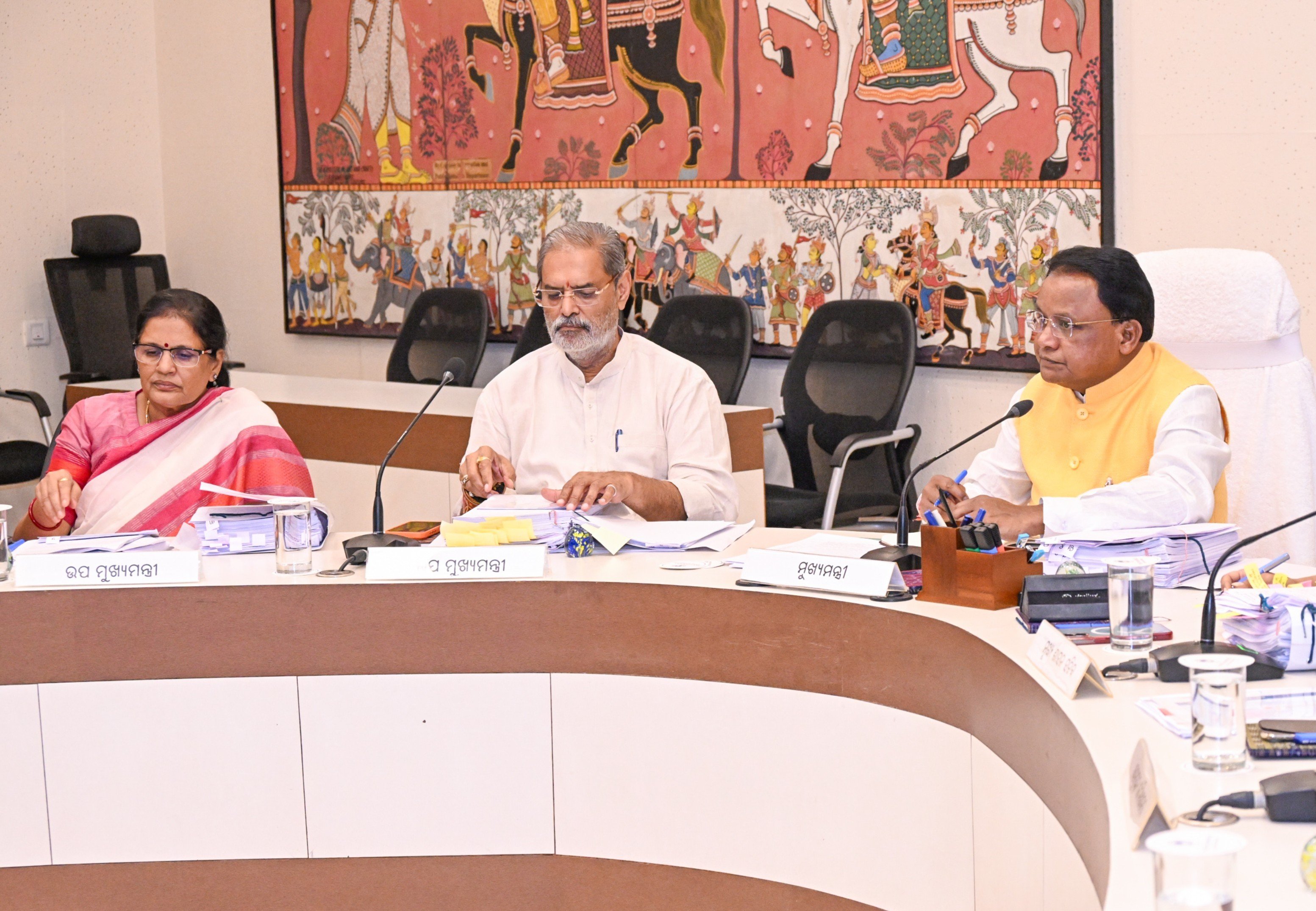
Bhubaneswar, Sept. 8 (UDN): The Odisha Cabinet, chaired by Chief Minister Mohan Charan Majhi, has approved 18 proposals spanning 12 government departments, with the Odisha Jan Vishwas Bill, 2026 emerging as the centrepiece of the decisions aimed at making governance more citizen- and business-friendly.
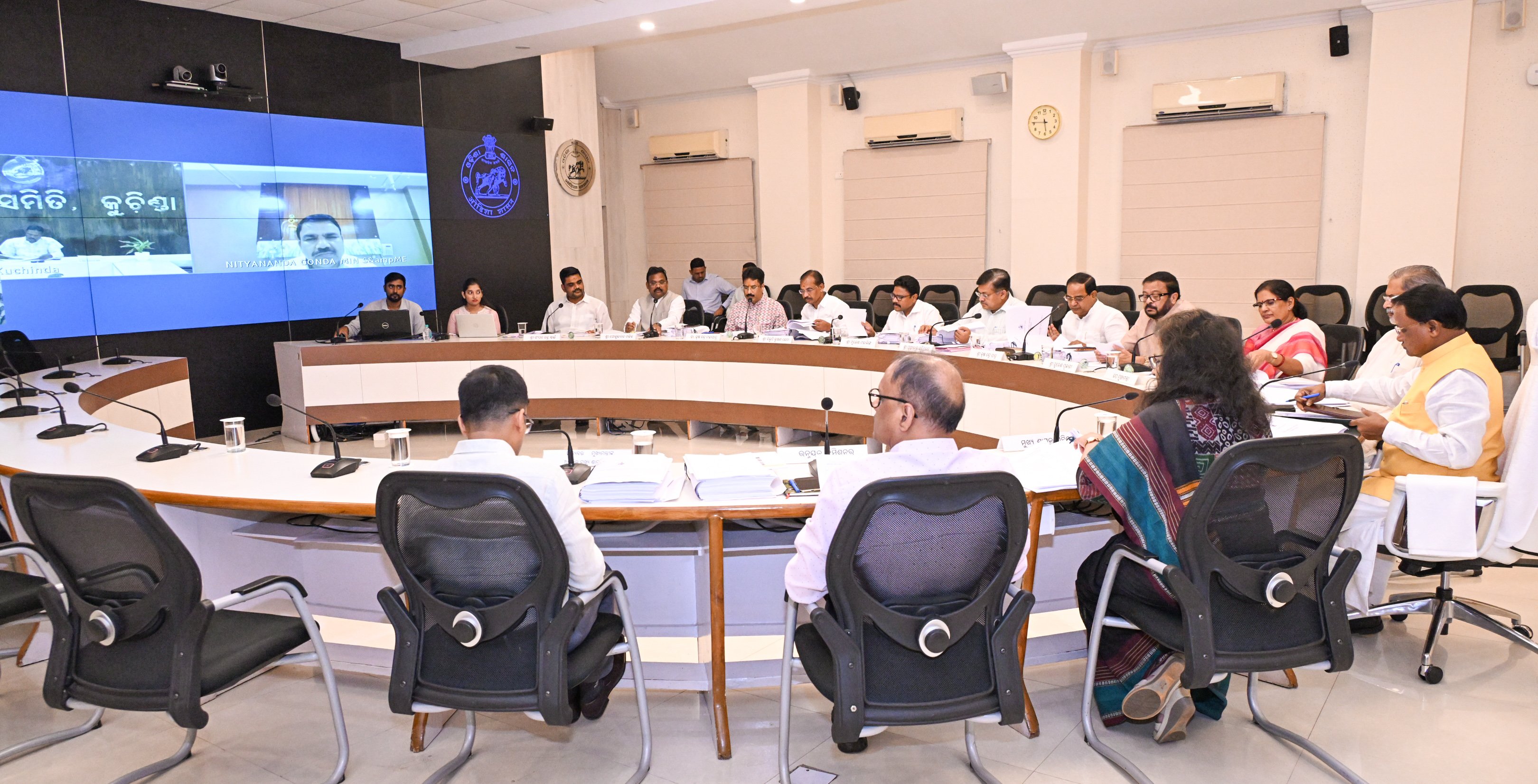
Pic credit: x.com/CMO_Odisha
The proposed legislation marks the second phase of the state’s Jan Vishwas reform programme, building on the Odisha Jan Vishwas Act, 2025. It seeks to simplify regulatory procedures, reduce unnecessary approvals and replace punitive provisions for minor violations with a more proportionate compliance framework.
Bill proposes amendments to 62 legal provisions
The Cabinet-approved Bill recommends changes to 62 provisions across 16 State Acts administered by 11 departments, with the objective of streamlining regulations and improving administrative efficiency.
The amendments have been divided into two schedules. Schedule I contains 35 amendments across 11 Acts, primarily focusing on decriminalising and rationalising minor technical and procedural offences. Schedule II includes 27 amendments across five Acts, targeting the simplification of nine regulatory approval processes.
Under the proposed reforms, imprisonment or conventional fines for certain minor violations could be replaced with monetary penalties, while administrative and appellate mechanisms are proposed to be made simpler and more transparent.
Easier licensing and fewer approvals
A key feature of the Bill is the overhaul of licensing and permission procedures across multiple sectors.
The government proposes extending the validity of several licences and approvals, reducing renewal requirements, introducing intimation-based registration and No Objection Certificate (NOC) mechanisms, and eliminating duplicate permissions where equivalent clearances already exist.
The reforms also extend to urban local bodies and panchayats, where businesses may no longer be required to obtain multiple licences from different departments if a valid Trade Licence or similar clearance has already been issued by the concerned local authority.
Other proposed changes include longer validity for agricultural market licences, rationalised Gram Panchayat licensing norms, and simplified permissions for name boards, public street works and certain temporary commercial activities.
Govt expects lower compliance burden
According to the Industries Department, the proposed reforms are expected to reduce compliance costs, minimise litigation and procedural delays, and improve regulatory certainty for both citizens and businesses.
The government believes the Bill will strengthen investor confidence while promoting a more trust-based governance model by reducing unnecessary regulatory hurdles.
The Jan Vishwas Bill, 2026 was among the 18 proposals approved by the Cabinet during its latest meeting, marking another step in Odisha’s ongoing administrative reform agenda.