


Aug 24: India’s ageing challenge will ultimately also be a workforce challenge, and the country needs to start building its caregiver pipeline today if it is to adequately care for its rapidly growing senior population in the years ahead, said Rajagopal G, Chairman, Association of Senior Living and Care India, and Director & Group CEO, Lifebridge Group, commenting on NITI Aayog’s recently released report, Reimagining Care: Strategies for Empowering Caregivers in Viksit Bharat@2047.
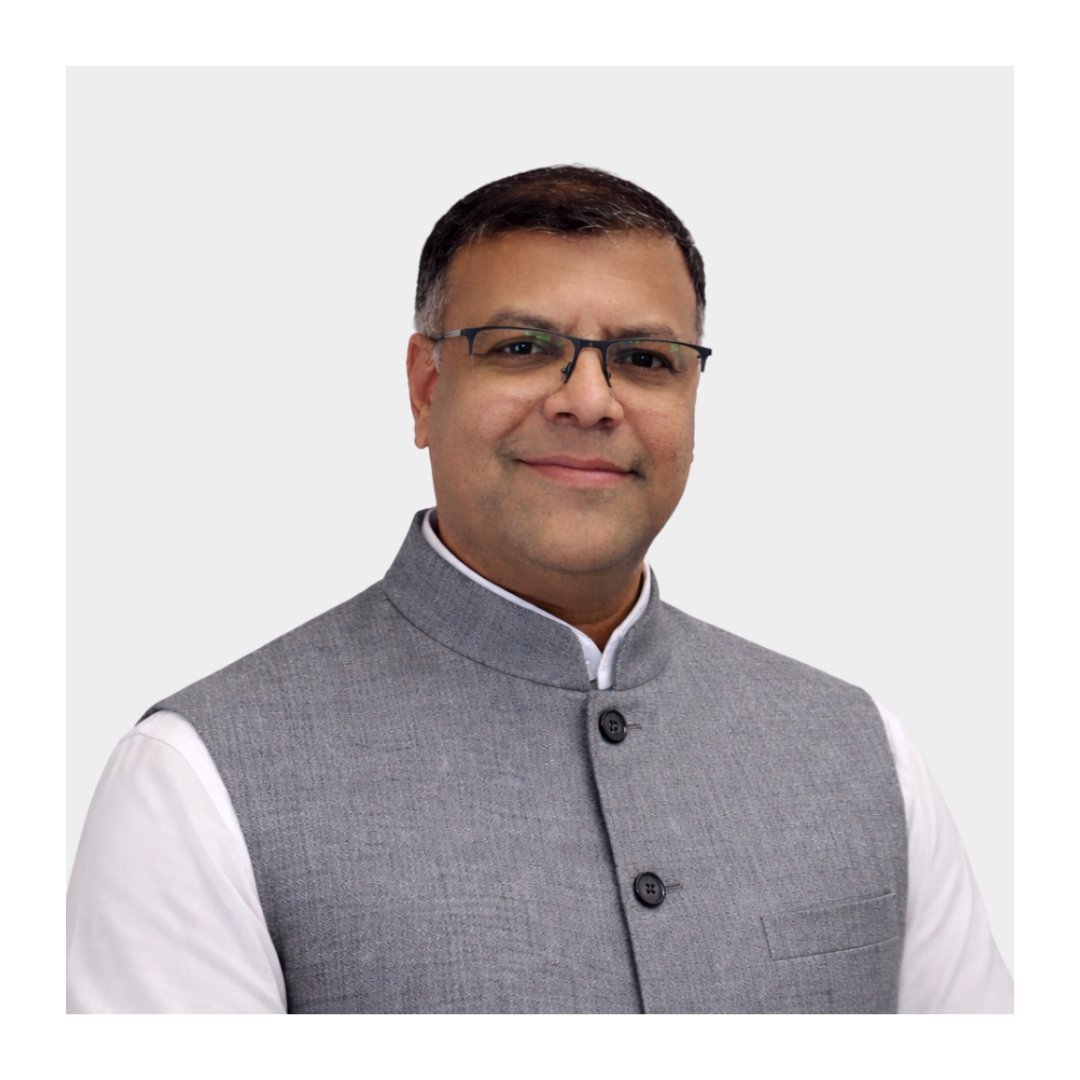
“Kudos to NITI Aayog for a very timely report. It is extensively researched, yet brief and crisp, and importantly, does not shy away from the reality of the challenge ahead. It brings out the need to invest today in training, certification, career pathways and professional recognition and importantly, in making caregiving an attractive and respected career choice.”
India’s population aged 60 and above is projected to increase from 149 million in 2022 to 347 million by 2050, significantly increasing the country’s requirement for long-term care and caregiving support.
The report lays out nine strategic pillars for developing a comprehensive caregiving ecosystem, spanning formalisation and regulation of caregiving services, building a skilled workforce, international cooperation, strengthening existing institutions, social security and financial protection, career pathways, support for family caregivers, and the use of technology and digital governance. Importantly, it approaches caregiving not merely as a social need, but as a workforce and institutional priority that requires coordinated action across government, industry and the skilling ecosystem.
Rajagopal highlighted two areas that could further strengthen implementation of the recommendations.
“First, with as many as 19 ministries and government agencies having a role in different aspects of the caregiving ecosystem, there may be merit in designating a single nodal ministry or agency with clear ownership and accountability for driving this agenda and ensuring coordination across stakeholders.
“Second, we should consider whether caregiver education, training and professional standards should be anchored within the Ministry of Health & Family Welfare, much like nursing. Such an approach could give caregiving greater professional stature, establish clearer career pathways and help attract much-needed talent into the sector.”
He added,
“Ultimately, caregiving needs to evolve from being viewed largely as informal support work to becoming a recognised profession and an integral part of India’s health and ageing infrastructure. Building this workforce cannot wait until the demographic challenge is upon us. We need to build the caregiver pipeline today for the seniors we will need to care for tomorrow. This report is an important step in that direction.”
Mr. Rajagopal’s POV on the Colliers Report
India’s Senior Living Sector Is Moving from a Niche Category to an Integrated Living-and-Care Ecosystem:
“The latest Colliers report reinforces the view that senior living in India is moving from a relatively niche category into a meaningful and scalable sector. The market is estimated at around ₹30,000 crore today and projected to exceed ₹1 lakh crore by 2030. More importantly, against estimated demand of 20–22 lakh homes, organised supply today stands at only around 25,000 units — highlighting both the significant opportunity and the considerable supply gap that still needs to be addressed. The expected increase in organised inventory to around 1 lakh units by 2030, together with over ₹13,000 crore of investment commitments announced since 2025, is a strong indication that developers and institutional capital are beginning to recognise the opportunity. The emergence of Tier II and III cities and spiritual destinations, which could account for 30–40% of new launches, should also help broaden the market beyond the major metros.
For me, however, the more significant takeaway from the report is the evolution of senior living from standalone retirement housing towards an integrated living-and-care ecosystem. As people live longer, senior living will increasingly need to provide access to healthcare, rehabilitation, assisted care, dementia care, emergency support and wellness alongside community and lifestyle. Technology — including telemedicine, remote monitoring and AI-enabled solutions — will increasingly become an important enabler of this ecosystem.
As the sector grows and more capital and new players enter the market, the competitive landscape is likely to evolve rapidly over the next three to five years. This will make quality of care, operating capability, service standards and the ability to provide a continuum of care increasingly important differentiators. Ultimately, the opportunity is not simply to build more senior housing, but to create trusted ecosystems that can support seniors through the different stages and needs of ageing”- Rajagopal G Chairman, Association of Senior Living and Care India (ASLI) Director & Group CEO, Lifebridge Group