


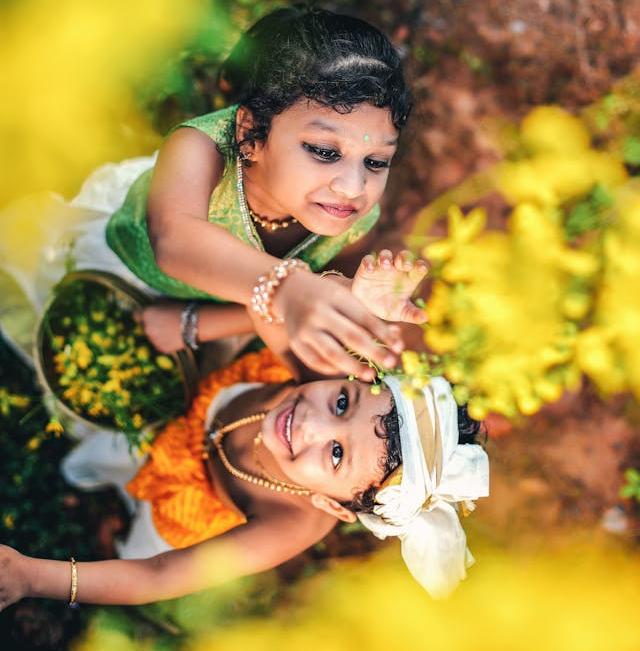
Vishu is a significant traditional festival celebrated in the Indian state of Kerala, marking the beginning of the Malayalam New Year. Observed in April, it symbolizes renewal, prosperity, and the transition into a new agricultural cycle. Deeply rooted in agrarian culture, Vishu reflects gratitude for past harvests and hope for future abundance. For Malayalis worldwide, it is both a cultural anchor and a moment of emotional connection with their heritage.
Historical and Agricultural Significance
The origins of Vishu are closely tied to Kerala’s agricultural traditions. The festival coincides with the time when farmers begin harvesting seasonal crops such as rice, spices, and vegetables. It represents the natural rhythm of cultivation—sowing, growth, and reaping—making it a celebration of nature’s generosity.
Vishu also marks a symbolic New Year, reinforcing the idea of cycles in life and nature. It is a time when communities acknowledge the efforts of farmers and express gratitude for the land’s fertility while looking forward to another productive year.
Core Ritual: Vishukkani
The most important ritual of Vishu is the preparation of the Vishukkani, meaning “the first sight of the day.” It is arranged the night before and viewed at dawn to bring good fortune throughout the year.
A traditional Vishukkani includes:
- Rice and agricultural produce
- Fruits and vegetables
- A mirror symbolizing self-reflection
- Gold or coins representing prosperity
- Religious images, often of Lord Krishna
- A lit lamp symbolizing light and positivity
Family members, usually guided by the eldest person, view the arrangement first thing in the morning. This act is believed to set the tone for a prosperous year ahead.
Rituals and Traditions
Vishu is celebrated through several meaningful customs that emphasize hope, family bonding, and spiritual renewal.
Vishu Kaineettam
Elders give money or gifts to younger members of the family, symbolizing blessings, care, and prosperity. This tradition strengthens family ties and expresses goodwill across generations.
Lighting Lamps
Oil lamps are lit in homes to represent the victory of light over darkness. This ritual signifies the removal of negativity and the welcoming of positivity and clarity into life.
Community and Temple Visits
Many families visit temples early in the day to seek blessings. Communities also come together for prayers, celebrations, and cultural gatherings.
Vishu Feast: Sadhya and Festive Foods
Food plays a central role in Vishu celebrations. The highlight is the Vishu Sadhya, a traditional vegetarian feast served on a banana leaf. It includes a wide variety of dishes that balance taste, nutrition, and symbolism.
Common dishes include:
- Avial (mixed vegetables in coconut and yogurt)
- Olan (pumpkin and coconut milk curry)
- Sambar and various vegetable curries
- Pickles and chutneys
- Pachadi (sweet and sour yogurt-based dish)
- Payasam (sweet dessert made with rice, milk, or vermicelli)
Other festive snacks include banana chips and sweet stuffed rice dumplings made with jaggery and coconut. These foods reflect Kerala’s agricultural richness and culinary diversity.
Regional Variations in Celebration
While the essence of Vishu remains the same, celebrations differ across Kerala:
- Northern Kerala (Kozhikode, Kannur): Temple-centered celebrations with traditional lamps, fireworks, and community gatherings.
- Central Kerala (Thrissur, Kottayam): Strong emphasis on Vishukkani and elaborate family feasts.
- Southern Kerala (Thiruvananthapuram): Cultural performances, music, dance, and artistic decorations add vibrancy to the festival.
These regional variations showcase Kerala’s cultural diversity while preserving the shared spirit of Vishu.
Arts, Music, and Cultural Expression
Vishu is also a celebration of Kerala’s artistic heritage. Classical music performances, especially Carnatic music, are common during the festival, often themed around devotion and renewal.
Traditional dance forms such as Kathakali, Mohiniyattam, and Theyyam are performed in temples and cultural venues. These art forms narrate mythological stories and reinforce cultural identity.
Floral decorations, intricate arrangements of Vishukkani, and artistic designs at homes further highlight the festival’s creative spirit.
Modern Celebrations of Vishu
In contemporary times, Vishu celebrations have evolved significantly. While traditional rituals remain important, modern lifestyles and technology have influenced how the festival is observed.
- Families separated by distance connect through video calls and social media.
- Vishu greetings and celebrations are widely shared online.
- Restaurants and catering services offer Vishu Sadhya for those unable to cook at home.
- Young people often organize cultural events, themed gatherings, and fusion celebrations.
Despite modernization, the emotional and cultural essence of Vishu remains intact.
Celebrating Vishu at Home
Vishu can be meaningfully celebrated at home with a few simple preparations:
- Arrange a Vishukkani with symbolic items the night before.
- Light traditional lamps early in the morning.
- Decorate entrances with floral or rangoli patterns.
- Prepare a traditional feast with dishes like sambar, payasam, and vegetable curries.
- Involve family members in rituals to strengthen bonds.
- Connect with distant relatives virtually to share the celebration.
These practices help preserve tradition while adapting to modern lifestyles.
Conclusion
Vishu is more than just a New Year festival it is a celebration of life, renewal, and gratitude. It connects people to nature, family, and cultural roots while encouraging optimism for the future. Whether observed traditionally or in modern ways, Vishu continues to inspire unity, prosperity, and hope among Malayalis across the world.
By preserving its rituals and values, each generation keeps alive the spirit of Vishu, ensuring that this cherished tradition remains meaningful in an ever-changing world.