


Bhubaneswar, Nov 26 (UDN): Odisha is preparing to add a major attraction to its tourism map, with an ambitious Rs 80-crore riverfront development project set to transform the naturally formed Pandara island near Bhubaneswar into a vibrant destination for tourism, recreation and cultural activities.
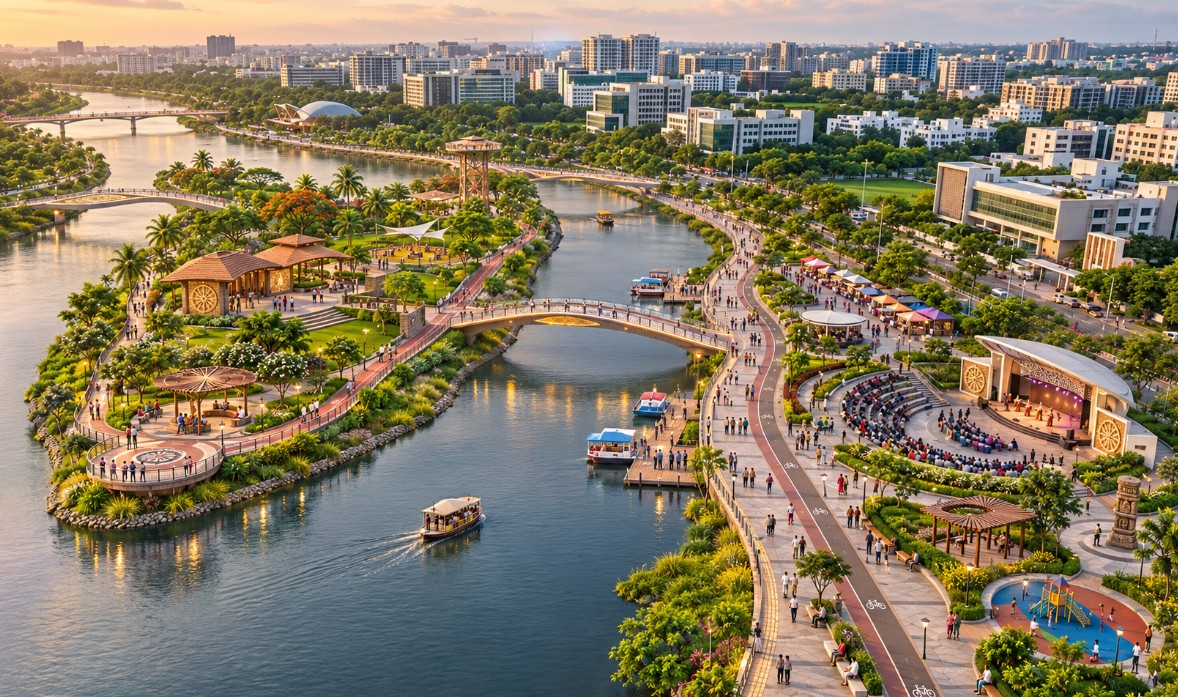
Representational Image
Situated between the Kuakhai and Kushabhadra rivers, the island is being developed under the Pandara Riverfront Project, an initiative of the state government’s Water Resources Department. The project aims to combine the region’s natural beauty and ecological importance with modern tourism infrastructure and spaces celebrating Odisha’s rich cultural heritage.
Envisioned as a major recreational hub, the proposed development will feature a 1.5-km-long riverfront promenade, landscaped plazas, traditional ghats, floating jetties and viewing decks. Dedicated walking and cycling tracks will also be developed to encourage outdoor activities and provide visitors with opportunities to experience the riverside landscape.
One of the project’s most distinctive attractions will be an elevated tree walk extending over two kilometres. Designed to offer panoramic views of the surrounding rivers and greenery, the facility is expected to become a major draw for nature enthusiasts and tourists.
Cultural heritage meets modern recreation
Beyond its scenic attractions, the Pandara riverfront is being planned as a destination where Odisha’s cultural identity will take centre stage.
An Odisha Haat and Heritage Village are proposed to provide local artisans, craftspeople and traditional performers with dedicated platforms to exhibit their work and showcase the state’s diverse cultural traditions.
The development will also include an open-air theatre, themed gardens, picnic spots, adventure zones, yoga facilities and food courts. These amenities are expected to make the island an attractive destination for families, tourists and residents seeking leisure and recreational experiences.
Green development at the heart of the project
Environmental sustainability is another key component of the proposed development.
Plans include native tree plantations, Miyawaki forests, butterfly gardens, wilderness zones and nature trails. These green initiatives are intended to protect the island’s ecological character while creating an environment where visitors can experience nature without compromising the surrounding landscape.
The project also proposes supporting infrastructure such as bridges, internal roads, parking areas, solar-powered lighting, CCTV surveillance systems and electric vehicle charging stations.
Rs 54 crore earmarked for riverbank protection
Of the total estimated project cost of Rs 80 crore, approximately Rs 54 crore has been allocated for the construction of riverfront ghats and riverbank protection measures.
The substantial allocation highlights the importance of strengthening the riverbanks alongside developing tourism and recreational facilities.
The project will be implemented through the Engineering, Procurement and Construction (EPC) model, with a stipulated construction period of 24 months. Following completion, the facilities will be covered by a comprehensive operation and maintenance arrangement for five years.
Part of Odisha’s larger riverfront development vision
The Pandara initiative is part of the state’s Rs 2,240-crore Mahanadi Riverfront Development Scheme, which aims to unlock the tourism, cultural and economic potential of the Mahanadi river system.
It is also expected to complement the Rs 160-crore Mahanadi Riverfront Project covering the stretch between Mandalia and Chaunpur Bridge in Sambalpur.
Through these initiatives, the Odisha government is seeking to reposition riverfronts as important public spaces that promote tourism, cultural engagement, environmental conservation and local economic development.
Boost expected for tourism and local livelihoods
Once completed, the Pandara Riverfront Project could emerge as a significant leisure destination for Bhubaneswar residents while attracting visitors from different parts of Odisha and beyond.
The proposed Odisha Haat, Heritage Village, food courts and cultural facilities could also create new livelihood opportunities for local artisans, traditional performers, vendors and businesses connected with the tourism sector.
By bringing together riverfront infrastructure, nature-based recreation and cultural experiences, the Pandara project represents an ambitious attempt to give Bhubaneswar a new tourism attraction.
If implemented as envisioned, the island could evolve into a distinctive public destination where visitors can enjoy the natural landscape, explore Odisha’s cultural heritage and experience a different side of the state capital.