


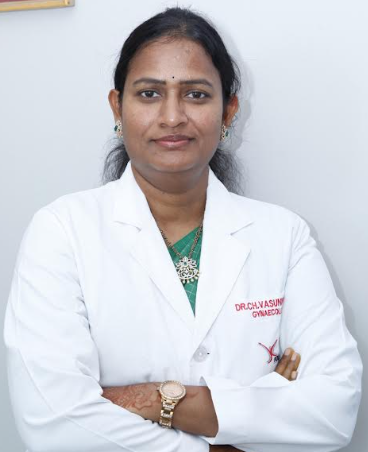
By : – Dr. Vasundhara Cheepurupalli , Senior Consultant Gynaecologist & Robotic Surgeon, KIMS Cuddles, Secunderabad
World Women’s Health Day is observed every year on May 28 to raise awareness about women’s health, encourage early detection of diseases, and improve access to quality healthcare services. A healthy woman is the cornerstone of a healthy family and, ultimately, a healthy society.
In today’s fast-paced world, women are balancing multiple roles as professionals, entrepreneurs, caregivers, and community leaders. Despite shouldering significant responsibilities both at home and in the workplace, many women tend to neglect their own health. Physical symptoms are often dismissed as minor concerns, and delays in seeking medical attention can lead to the progression of preventable health conditions.
Common Health Concerns Among Women
Several health issues are particularly prevalent among women, including anaemia, thyroid disorders, diabetes, hypertension, obesity, Polycystic Ovary Syndrome (PCOS), uterine disorders, breast cancer, and cervical cancer. Menstrual irregularities, excessive bleeding, pelvic pain, and other reproductive health concerns should never be ignored, as they may indicate underlying medical conditions that require timely evaluation and treatment.
The Importance of Regular Health Screenings
Preventive healthcare plays a crucial role in maintaining long-term well-being. Women above the age of 40 should undergo annual health check-ups, including blood pressure monitoring, blood sugar testing, thyroid function assessments, breast examinations, and cervical cancer screening through Pap smear tests. Early diagnosis significantly improves treatment outcomes and can prevent complications associated with chronic illnesses.
Prioritising Mental Health
Women’s health extends beyond physical well-being. Mental health deserves equal attention, particularly in an era marked by increasing personal and professional demands. Stress, anxiety, and depression are becoming increasingly common among women due to family responsibilities, workplace pressures, and social expectations. Adequate rest, emotional support from family members, and professional counselling when needed can help women maintain better mental and emotional health.
Adopting a Healthy Lifestyle
A balanced diet, regular physical activity, sufficient sleep, and avoidance of tobacco and alcohol are essential for maintaining good health. Women should ensure adequate intake of iron-rich foods, green leafy vegetables, fruits, dairy products, and proteins. Engaging in at least 30 minutes of physical activity, such as walking, yoga, or exercise, every day can significantly improve overall health and reduce the risk of lifestyle-related diseases.
Awareness Leads to Better Health Outcomes
Despite growing awareness, several misconceptions surrounding women’s health continue to persist. Many women still hesitate to discuss health concerns openly or seek medical help promptly. Greater awareness, education, and access to healthcare can help overcome these barriers and ensure early intervention when health problems arise.
As we observe World Women’s Health Day, it is important to remind every woman that caring for her own health is not a luxury—it is a necessity. By prioritising regular health check-ups, adopting healthy lifestyle practices, and seeking timely medical care, women can safeguard their well-being and continue to play their invaluable role in strengthening families and communities.
When women are healthy, families thrive, societies prosper, and nations progress.