


Bengaluru, Aug 20: As mosquito-borne diseases continue to remain a major public health concern during the monsoon season, specialists at Apollo Spectra Hospital, Bengaluru, are using World Mosquito Day to raise awareness about the importance of early diagnosis, timely treatment, and preventive care. Infections such as dengue, malaria, and chikungunya continue to rise during the monsoon months, with increased mosquito breeding and water stagnation contributing significantly to the spread of these diseases. Doctors emphasise that early recognition of symptoms and prompt medical attention can help prevent complications and improve treatment outcomes.
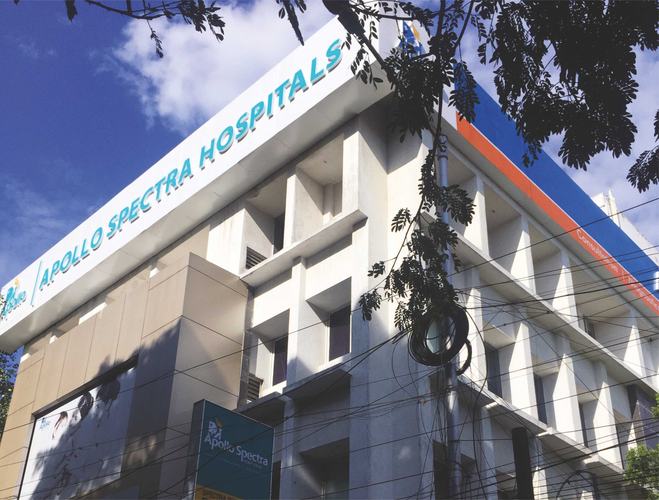
According to the World Health Organization, mosquito-borne diseases affect millions of people globally every year, with dengue continuing to be one of the fastest-growing vector-borne diseases worldwide. The concern is particularly relevant in Bengaluru, where recent health and weather trends indicate a heightened risk of dengue during the monsoon. The city has recorded 35 mm of rainfall over the past two weeks, with humidity levels reaching 83% and temperatures ranging between approximately 23°C and 29°C, creating favourable conditions for mosquito activity and breeding. Dengue currently accounts for the largest share of the city’s overall fever-risk indicators, further highlighting the need for greater awareness and timely medical attention during the season.
At Apollo Spectra Hospital, Bengaluru, doctors are also observing patients presenting with symptoms associated with mosquito-borne infections, including high fever, severe body pain, headaches, fatigue, rashes, vomiting, and weakness. The hospital has recorded an 11.8% increase in dengue testing/consultations during the current period compared with 2025, with 14.5% of those tested positive for dengue. Among the patients diagnosed with dengue, 80% required hospitalisation or close monitoring for complications such as dehydration, falling platelet counts, or other warning signs. Doctors have also observed that most patients sought medical attention only after 3–5 days of persistent fever, highlighting the importance of early testing and timely medical evaluation.
Commenting on this, Dr. Ravi Kesari, MBBS, MD at Apollo Spectra Hospital, Bengaluru, said,
“One of the biggest concerns is that many mosquito-borne diseases initially resemble a common viral fever, leading patients to delay testing and medical evaluation. Persistent fever, severe body pain, vomiting, rashes, or unusual bleeding should never be ignored. Early diagnosis and timely monitoring are critical, particularly in dengue, where complications can develop rapidly if treatment is delayed.”
Specialists note that mosquito-borne infections can affect individuals of all age groups, but children, older adults, pregnant women, and people with underlying medical conditions are at a higher risk of developing severe illness. Delayed treatment can increase the risk of dehydration, bleeding complications, organ involvement, and prolonged recovery, making early medical attention essential.
Dr. Ravi Kesari further emphasised the importance of prevention, saying,
“Preventing mosquito breeding requires both individual and community effort, particularly during the monsoon. Keeping the surroundings clean, avoiding stagnant water, and taking simple precautions such as using mosquito repellents and wearing protective clothing can help reduce mosquito exposure. Given the current seasonal risk in Bengaluru, maintaining clean surroundings and taking responsibility for mosquito control at the community level are important to prevent the spread of these infections.”
Highlighting the importance of preventive care, specialists at Apollo Spectra Hospital recommend adopting simple but effective measures to reduce mosquito exposure and prevent infection.
To reduce the risk of mosquito-borne diseases, specialists recommend:
-
Preventing water stagnation in and around homes
-
Cleaning and emptying water containers regularly
-
Using mosquito repellents and mosquito nets
-
Wearing full-sleeved clothing, especially during peak mosquito activity
-
Maintaining a clean environment to reduce mosquito breeding
-
Seeking immediate medical attention for persistent fever, severe body pain, rashes, vomiting, or unusual bleeding
By following these preventive measures and seeking timely medical care, individuals can protect themselves and their families from mosquito-borne diseases and help reduce the burden of seasonal infections in the community.