


New Delhi, Oct 12: Stress, purpose and workplace relationships are emerging as closely connected aspects of how younger Indian professionals experience work and wellbeing, according to Deloitte’s 2026 Gen Z and Millennial Survey: Country Profile—India.
Based on responses from 806 Indians, the survey found that 24% of Gen Z respondents and 18% of millennials feel stressed all or most of the time. At the same time, 99% of Gen Zs and 98% of millennials consider a sense of purpose important to job satisfaction.
Workplace pressures remain significant. Long working hours were cited as a leading source of job-related stress by 53% of Indian Gen Z respondents, while 50% of millennials identified a lack of support from their leader as a major concern. Financial security, family wellbeing and personal relationships also feature prominently among sources of anxiety and stress.
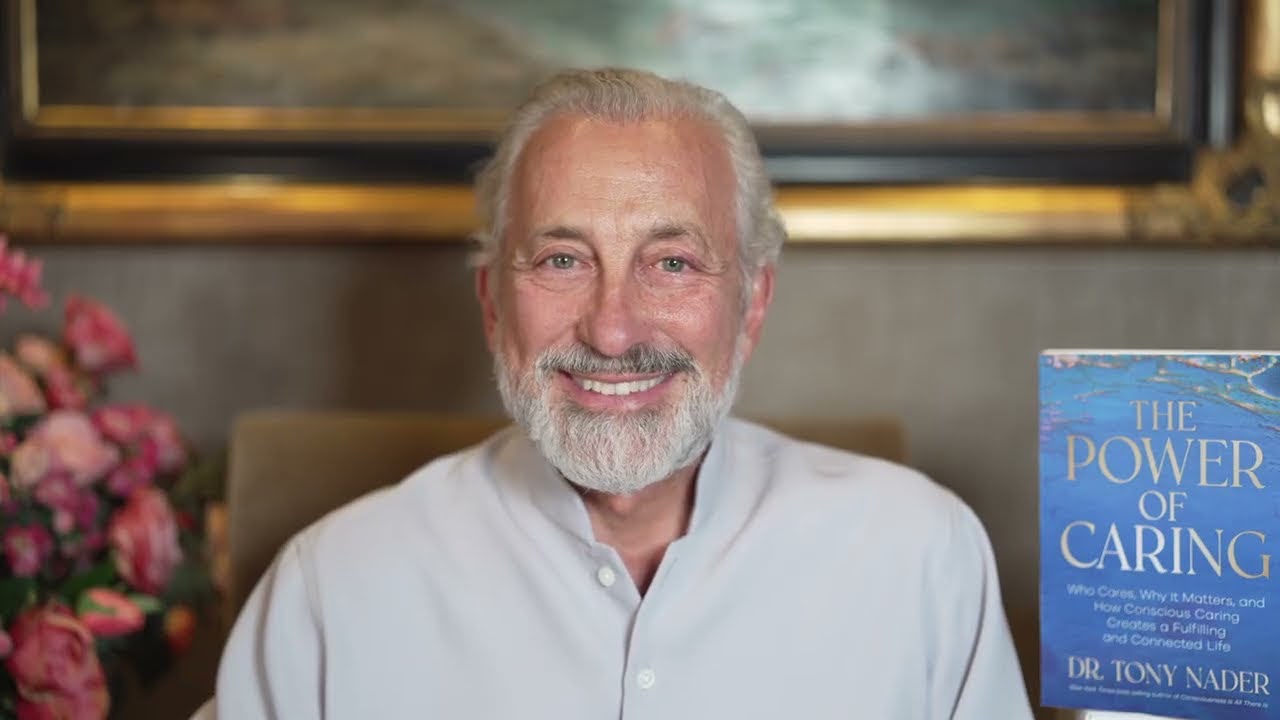
These findings provide a wider context for The Power of Caring: Who Cares, Why It Matters, and How Conscious Caring Creates a Fulfilling and Connected Life, the new book by Dr Tony Nader, a medical doctor trained at Harvard University who holds a PhD in Brain and Cognitive Sciences from MIT. Building on his earlier exploration of consciousness in Consciousness Is All There Is, a New York Times and USA Today bestseller, Dr Nader turns his attention to the question of what enables people to remain caring and connected without becoming emotionally depleted.
The book explores caring not simply as an individual responsibility, but as something shaped by awareness, relationships and the environments in which people live and work. Dr Nader says that greater inner stability can influence how individuals respond to stress, make decisions and relate to others.
The question is particularly relevant as technology reshapes professional life. 93% of Indian Gen Zs and 95% of millennials surveyed use AI in their day-to-day work, highlighting the rapid transformation of workplaces alongside continuing questions around human connection, purpose and wellbeing.
“The challenge is not to care less, but to understand what allows caring to remain sustainable when people themselves are under pressure.” said Dr Tony Nader, author of The Power of Caring.
The Power of Caring extends his work on consciousness into questions of relationships, purpose, resilience and human connection in contemporary life.