Chennai, May 11: VS Hospitals performed stereotactic radiation therapy, a breakthrough precision radiation therapy, on a 57-year-old businessman to treat vestibular schwannoma, a slow-growing tumour affecting the nerve connecting the inner ear to the brain. This advanced non-invasive treatment, available at only a few hospitals in India, uses multiple precisely focused radiation beams to target the tumour while preserving surrounding healthy tissue, with minimal side effects.
Vestibular schwannoma is caused by the overgrowth of schwann cells on the vestibular nerve, which carries balance signals from the inner ear to the brain. Common symptoms include gradual hearing loss in one ear, persistent tinnitus, balance difficulties, dizziness, vertigo, facial numbness, or weakness.
The patient underwent five sessions of stereotactic radiation therapy on alternate days using the Varian TruBeam Linear Accelerator, an advanced image-guided system that enables sub-millimetre precision in tumour targeting. This allowed doctors to accurately treat the lesion while protecting nearby critical structures such as the brainstem, and healthy brain tissue. The painless procedure required no surgery and was completed entirely on an outpatient basis. A repeat MRI three months later showed the lesion to be stable with a mild reduction in size, indicating successful tumour control. The patient has been advised regular follow-ups every three months in the first year, every six months for the next two years, and annually thereafter.
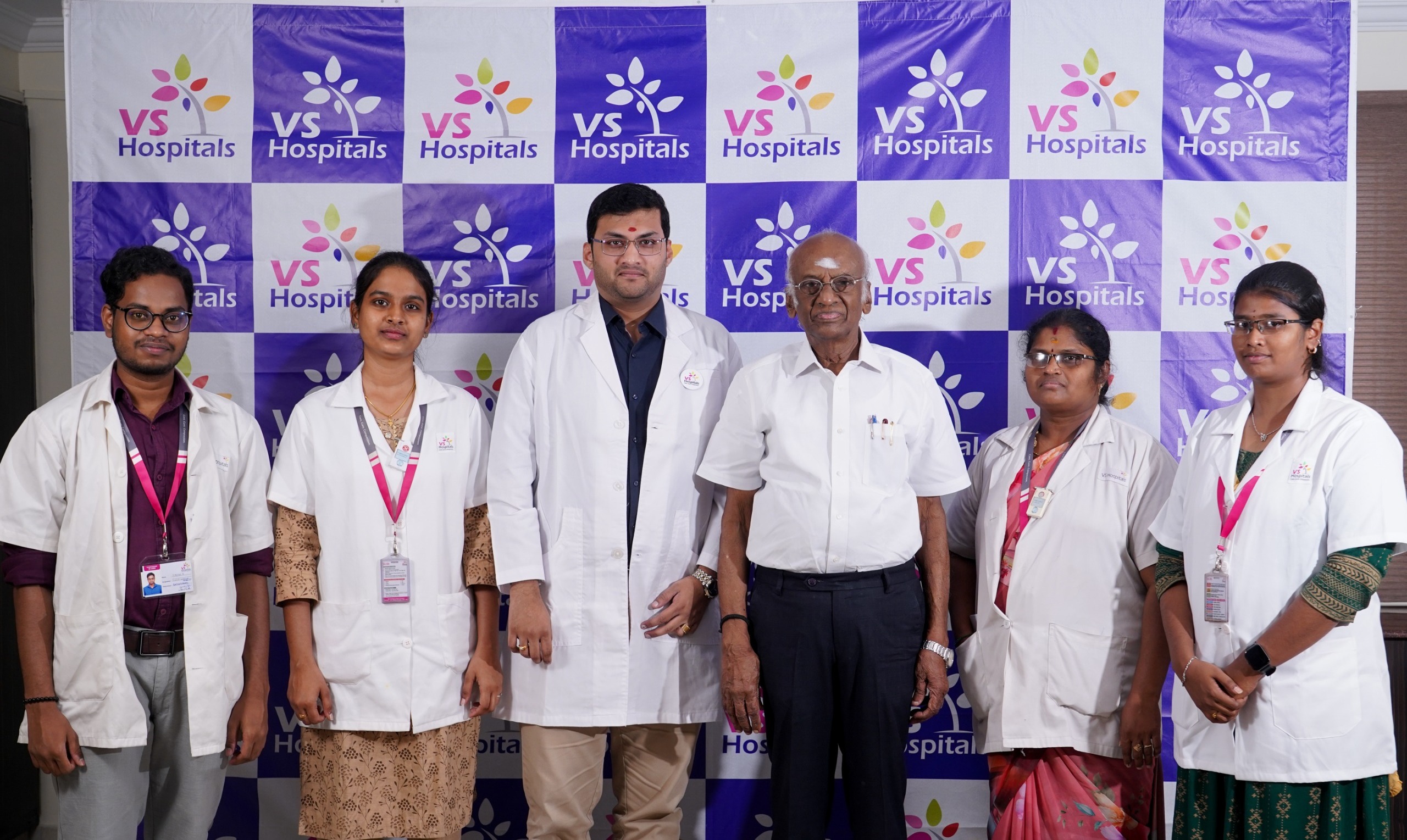
The treatment was delivered by a multidisciplinary team led by Dr. Karthik Subramaniam, Radiation Oncologist, the team comprised medical oncologists, radiologists, radiation oncologists, medical physicists, and radiation therapy technologists.
In his/her comment, Dr. Karthik said,
“The patient initially experienced unusual dullness, constant fatigue, and a lack of interest in routine daily activities, which later progressed to sudden blackout episodes. Following the outpatient treatment, both the disease and its symptoms came under control. He reported complete relief from blackouts, along with a steady improvement in energy levels and overall well-being, and was able to resume his normal personal and professional activities within a short time.
This procedure marks a major advancement in oncology and is currently available at only a few centres in India. Radiation planning and dose delivery in this case involved advanced technology and precision-based techniques. It is particularly noteworthy because both the disease and its symptoms were successfully controlled through a single treatment modality, with minimal treatment-related morbidity, enabling the patient to return to normal life at the earliest. Going forward, he requires only a calm lifestyle, a healthy nutritious diet, and regular follow-up.”