


Hyderabad, May 12: Medical experts have urged greater awareness and timely intervention for Systemic Lupus Erythematosus (SLE), a chronic autoimmune disease affecting a significant number of people in India. They emphasized that early diagnosis and appropriate treatment can effectively control the condition, while delays in seeking medical care may lead to life-threatening complications.
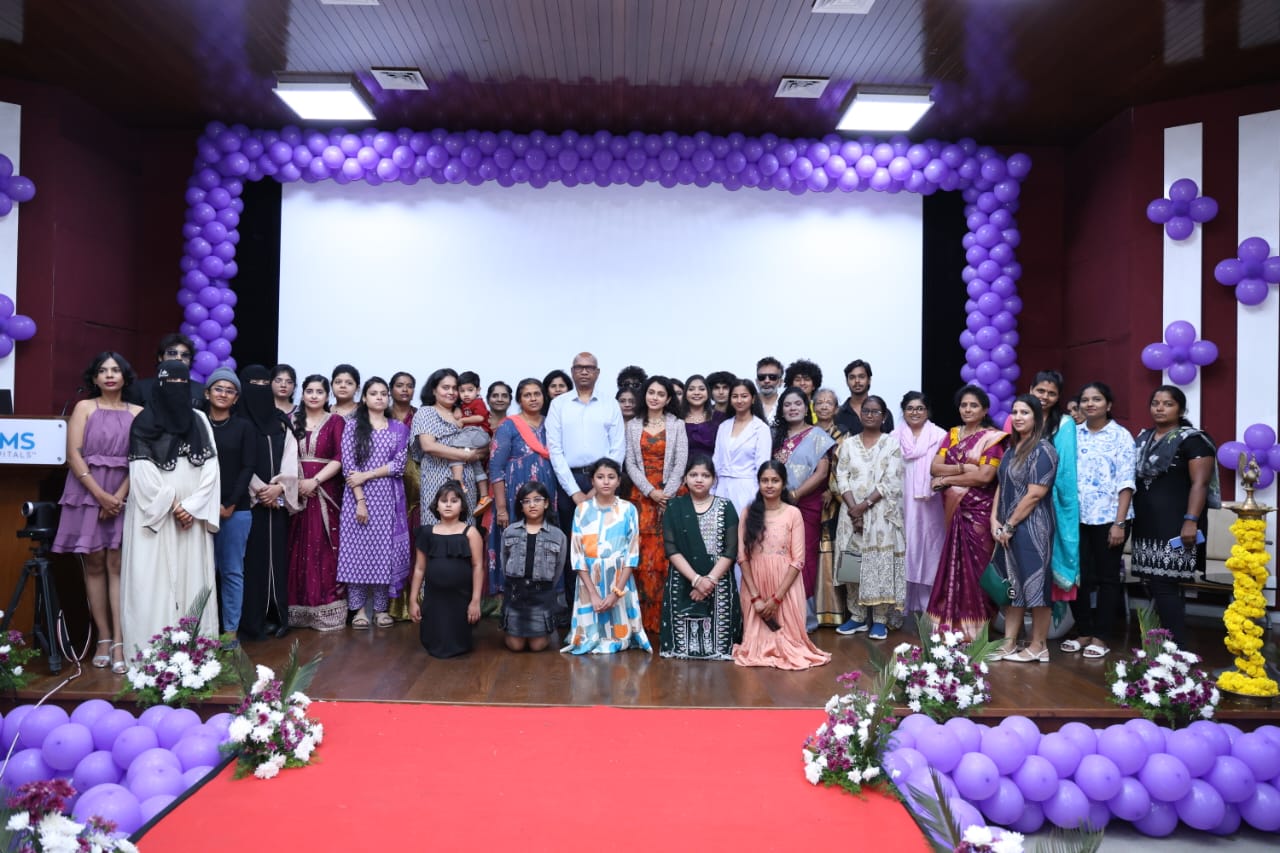
Marking International Lupus Day, KIMS Hospitals organised a unique ramp walk featuring lupus warriors on Monday. Around 40 patients participated in the event, showcasing their confidence and resilience in battling the disease. The programme was attended by nearly 100 family members and several healthcare professionals from across the city. This marks the fifth such ramp walk initiative in Asia.
The event was conceptualised by Dr. Veeravalli Sarath Chandra Mouli, Clinical Director, Department of Clinical Immunology and Rheumatology at KIMS Hospitals, Secunderabad. The initiative aimed to empower patients and break the stigma associated with lupus.
Speaking on the occasion, Dr. Sarath Chandra Mouli noted that despite the prevalence of lupus in India, there is a lack of reliable data on its exact incidence.
“Out of the 100–120 patients we see daily, about 20–25 are battling lupus. The prevalence varies across regions. In Western countries, it affects approximately 20 to 150 individuals per one lakh population, and data collection there is more systematic,” he said.
He further pointed out that nearly 90% of lupus patients are women, typically in the reproductive age group of 15 to 45 years. A major concern, he added, is the delay in diagnosis due to lack of awareness among both the public and medical practitioners, often leading to patients consulting a rheumatologist only after more than three years of symptom onset.
Lupus is a long-term autoimmune disorder in which the body’s immune system becomes overactive and attacks healthy tissues. It can affect multiple organs including the skin, joints, kidneys, lungs, heart, brain, nerves, and blood. Common symptoms include extreme fatigue, fever, unexplained weight loss, skin rashes (especially after sun exposure), hair loss, mouth ulcers, joint pain and swelling, and abnormalities in blood counts. In severe cases, patients may experience kidney involvement, neurological symptoms, and recurrent miscarriages.
Highlighting the shortage of specialists, Dr. Mouli said that while India requires nearly 20,000 rheumatologists, only around 800 are currently available, posing a challenge for timely diagnosis and treatment, particularly in rural areas.
Doctors advised that individuals experiencing persistent symptoms such as fatigue, recurrent fever, joint pain, rashes, or unexplained health issues should seek early consultation with a rheumatologist. With advancements in medical care, lupus can be effectively managed, enabling patients to lead healthy and active lives.
The event also served as a platform to inspire patients to overcome stigma and build confidence, demonstrating that with the right treatment and support, lupus can be fought successfully.