


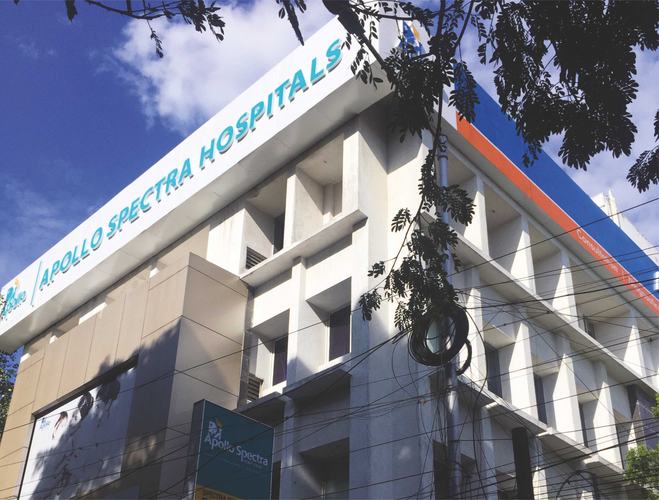
Bengaluru, May 19: On the occasion of IBS Awareness Day, doctors at Apollo Spectra Hospital, Bengaluru, have highlighted an alarming increase in young adults complaining of persistent digestive issues that may point towards IBS, which appears to be more prevalent in modern urban settings owing to hectic lifestyles and stressful jobs.
Doctors found out that common digestive problems like bloating, stomach pains, constipation, diarrhoea, acid reflux, gas, and urgent defecation were more common among corporate workers who regularly spent much of their time looking at screens, had poor diets, disrupted sleep, and stressed work environments.
“Apollo Spectra Bengaluru has observed a 32% increase in young adults aged 22–35 visiting OPDs for recurring digestive complaints over the past years.”
“Nearly 58% of IBS-related consultations at the hospital are now from working professionals experiencing stress-related digestive symptoms.”
Around 4-7 percent of the Indian population suffers from IBS. Patients residing in urban settings report more problems due to stress, inadequate sleep, sedentary lifestyle, and increased intake of ready-to-eat food items. Irregular eating timings, fasting, excessive intake of caffeine, and having dinner late at night could disturb normal digestion process.
Commenting on the trend, Dr. Vijay C Reddy MBBS, MS, Consultant at Apollo Spectra Bengaluru, said, “We are seeing younger patients come in with symptoms that have already started affecting their productivity, confidence and social life. Many avoid travelling, eating outside or attending long meetings because of unpredictable bowel symptoms. Digestive discomfort is often being normalised until it becomes severe enough to interfere with daily functioning.”
Doctors highlighted that IBS is linked to disturbances in the gut-brain connection, where stress and emotional strain directly influence digestion and bowel movement patterns. Individuals working under constant deadlines, irregular shifts or prolonged screen exposure may be more vulnerable to symptom flare-ups.
In addition to digestive symptoms, many patients also report fatigue, disturbed sleep, anxiety around eating and difficulty concentrating during episodes of severe discomfort./
Dr. Sunil Kumar B Alur (MBBS, DNB, FMIS, FALS, FACRSI, FMAS, FIAGES, FACS), Consultant at Apollo Spectra Bengaluru, added, “One of the biggest concerns is delayed medical consultation. Persistent digestive symptoms are often dismissed as routine acidity or poor eating habits. Early intervention, lifestyle correction and proper evaluation can significantly improve symptom control and quality of life.”
Doctors advised against relying repeatedly on antacids or over-the-counter medication without identifying the underlying trigger. Symptoms such as blood in stools, unexplained weight loss, persistent diarrhoea or severe abdominal pain should not be ignored.
Doctors recommend the following to reduce IBS flare-ups:
● Maintain consistent meal timings
● Avoid long gaps between meals
● Reduce intake of highly processed and oily foods
● Improve sleep duration and quality
● Stay physically active despite sedentary work routines
● Limit excessive caffeine and late-night eating
● Seek medical evaluation if symptoms recur frequently
With digestive complaints becoming increasingly common among younger urban populations, doctors stress that recurring gut symptoms should not be considered a normal part of modern work culture.