


Bengaluru, Aug 26: In an emergency, keeping blood at the right temperature can be critical. For someone at risk of a fall, changes in the way they walk may offer useful clues. And in grassroots sport, a clear record of scoring can make competition more transparent. These are the challenges being explored by four young innovators from Karnataka, who have made it to the national Top 40 of the fifth edition of Samsung Solve for Tomorrow.
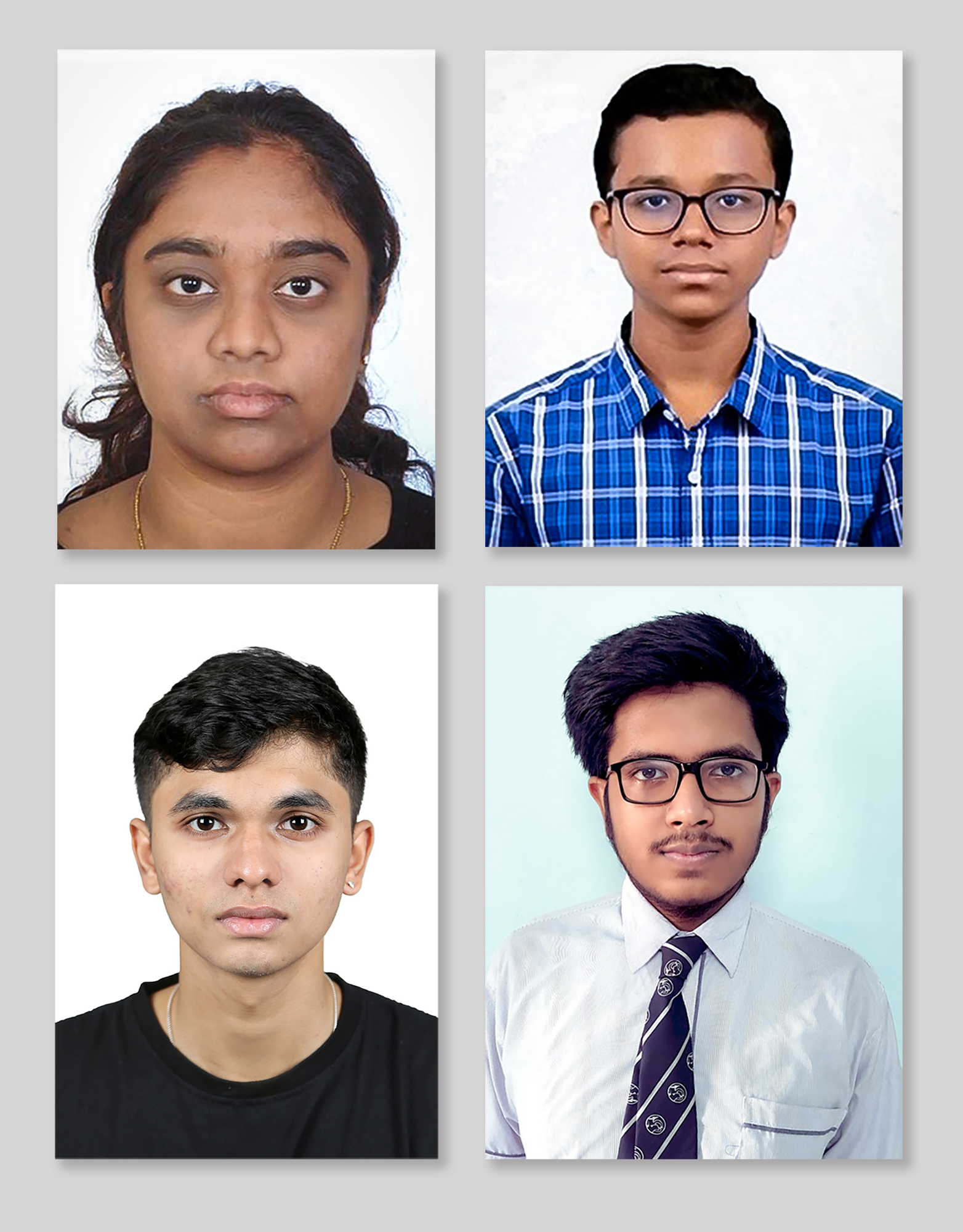
Karthik Pratheep Paramadathil, A V Kruthi Krishna, Bhavya Chawat and Roopal Guha Neogi are developing potential solutions that use technology to make difficult-to-capture information more accessible — spanning emergency healthcare, everyday health monitoring and grassroots sports.
Samsung Solve for Tomorrow is Samsung’s flagship CSR innovation programme for young people aged 14 to 22. Through design thinking, mentorship and hands-on learning, the programme enables young innovators from across India to identify real-world challenges and develop potential solutions, helping them take their ideas from the early stages towards prototypes.
Three Ideas, Four Young Innovators For 20-year-old Karthik Pratheep Paramadathil from Dakshina Kannada, the challenge lies in managing blood temperature during emergency transfusions. His solution explores a compact, portable device that could regulate blood temperature at the point of infusion. The concept is being explored for emergency situations such as shock, hypothermia and heat stroke, where maintaining appropriate blood temperature may be important to patient care.
For 20-year-olds A V Kruthi Krishna and Bhavya Chawat from Bengaluru, the idea begins with an everyday object: a shoe. Their team, 404NotFound, is developing StepSense, a smart system designed to capture gait and movement data. The solution explores how this information could help identify potential risks associated with falls, neuropathy and physical strain.
Roopal Guha Neogi from Bengaluru focusses on making grassroots sports more transparent. His team, NyaayKhel, is developing an AI-powered system that uses smartphone cameras to detect scoring events, create match records and generate athlete performance data for sports such as kabaddi, wrestling and kho-kho.
While the three solutions address different problems, they share a common thread: using technology to capture information that can otherwise be difficult to measure — whether it is blood temperature, changes in movement or sporting scores — and make that information more useful.
Their selection comes as the innovation landscape represented by Samsung Solve for Tomorrow continues to expand. More than half of the national Top 40 teams this year are from Tier 2 and Tier 3 cities, highlighting how young people across India are identifying challenges in their own surroundings and exploring ways to address.
Samsung Solve for Tomorrow gives young innovators access to design-thinking skills, mentorship and hands-on learning as they develop their solutions. The programme supports participants as they move from identifying a problem towards testing and refining potential solutions.
The Top 40 teams will now participate in a 10-day Innovation Bootcamp, receiving intensive mentorship from startup founders and industry experts at FITT-IIT Delhi. As part of the Bootcamp, they will also get an opportunity to visit Samsung R&D Institute India – Delhi, Samsung R&D Institute India – Noida, Samsung R&D Institute India – Bengaluru, Samsung Design Delhi and Samsung’s Regional Headquarters in Gurugram.
The teams will then compete for a place in the Top 20, which will receive further support to strengthen and advance their solutions ahead of the Grand Finale.
At the culmination of the programme, four winning teams will collectively receive incubation grants worth INR 2 crore, along with incubation support from FITT-IIT Delhi, helping them take their solutions towards further development and market readiness.
For Karnataka’s young innovators, making the national Top 40 is an opportunity to take challenges observed in healthcare, everyday life and sport and explore how technology could help address them.