


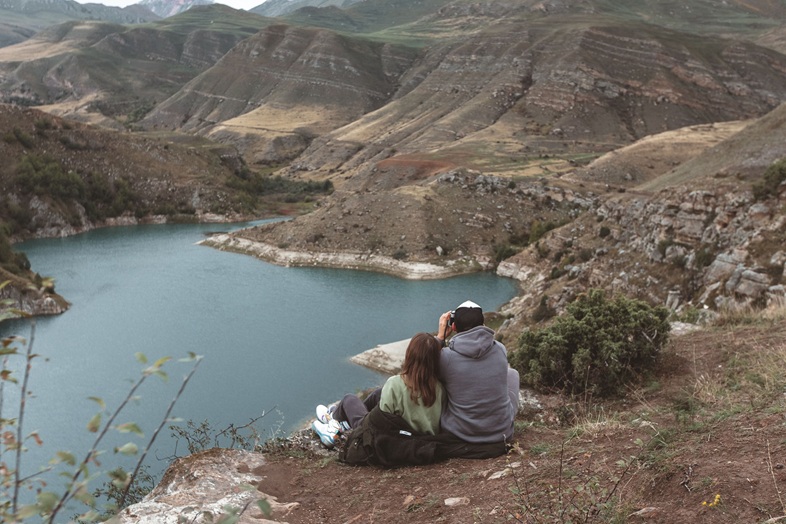
Aug 29: Peak season has long been considered the obvious time to travel. Summer holidays, festive breaks and school vacations bring people together in the world’s most popular destinations, creating a familiar mix of crowded airports, busy attractions and higher hotel prices. But travellers are beginning to look at the calendar differently. Instead of asking when everyone else is going, they are increasingly asking when they can have the destination more to themselves.
That is where shoulder-season travel comes in. The period just before or after a destination’s busiest months is emerging as a sweet spot for travellers who want a better balance of price, weather, availability and experience. What was once viewed simply as an alternative to peak season is increasingly becoming a choice in its own right.
When Less Can Mean More
Shoulder season varies depending on where you are travelling. Spring and autumn can offer this balance in many European destinations, while beach destinations may have quieter periods immediately before or after the main summer rush.
The attraction is fairly simple. Travellers can often enjoy many of the experiences associated with peak season without facing quite the same crowds. Hotels may have greater availability, restaurants can be easier to book and popular attractions may feel less overwhelming.
Peak Season Comes at a Price
There is nothing wrong with travelling during peak season. For families, school holidays may be the only practical option, while certain destinations are at their best during specific months.
But high demand inevitably changes the experience. Flights and accommodation can become more expensive, queues can grow longer and popular landmarks can feel less like places to explore and more like places to navigate.
For travellers with flexible schedules, shifting a holiday by even a few weeks can make a noticeable difference.
A Growing Travel Economy
The case for travelling differently comes at a time when global tourism itself is expanding. The World Travel & Tourism Council (WTTC) reported that Travel & Tourism contributed a record US$11.6 trillion to the global economy in 2024, accounting for more than 10% of global GDP.
That scale of travel brings enormous economic benefits, but it also means that popular destinations have to manage increasingly concentrated visitor demand. For travellers, avoiding the busiest periods can be one way of finding a more comfortable experience.
Finding the Value Sweet Spot
Saving money remains one of the biggest attractions of shoulder-season travel. Demand-based pricing means hotels, airlines and tourism operators can charge more when large numbers of people want to travel at the same time.
Moving outside those periods can sometimes make better accommodation more affordable or leave room in the budget for experiences, restaurants and longer stays.
But the goal isn’t necessarily to find the cheapest possible trip. A genuinely good shoulder-season holiday is about finding the point where cost, weather and experience come together.
More Space to Experience a Place
Fewer crowds can change the way a destination feels.
A famous museum becomes easier to explore. A popular viewpoint becomes less of a battle for space. A neighbourhood restaurant can feel more relaxed. Even walking through a historic city can become more enjoyable when the streets are not filled with tour groups.
For travellers who value atmosphere, this can be one of the strongest reasons to avoid peak season.
The Slow-Travel Connection
Shoulder season also fits neatly into the growing interest in slow travel. Instead of trying to visit five cities in seven days, travellers can stay longer in one place and allow the destination to unfold naturally.
There is time for a long breakfast, an afternoon walk, a visit to a local market or an unexpected stop at a small café. The itinerary does not have to be filled from morning to night.
That slower pace can make a holiday feel less like a checklist and more like actually being somewhere.
Travellers Are Becoming More Selective
The shift is also connected to changing expectations around travel. Booking.com’s 2025 Travel Predictions, based on a survey of more than 27,000 travellers across 33 countries and territories, found that travellers are increasingly looking for experiences that reflect their personal interests and priorities.
That matters because the perfect holiday is becoming less universal. One traveller may want nightlife and festivals, another may want wellness and quiet, while someone else may prioritise food, photography or outdoor adventure.
Shoulder season gives travellers another tool for designing a trip around what they actually want.
India Is Finding Its Own Shoulder-Season Sweet Spots
The trend is relevant to Indian travellers too. India’s diverse geography means that different destinations have different periods when the weather, crowds and prices can strike a more comfortable balance.
Travellers heading to the mountains may find the weeks around the main holiday rush more appealing, while coastal destinations can offer their own quieter windows outside major vacation periods. Heritage cities and popular cultural destinations can also become easier to explore when visitor numbers are lower.
For Indians travelling internationally, shoulder-season planning can be particularly useful for destinations where peak summer or festive periods bring higher demand. Moving a European city break, Southeast Asian holiday or Middle Eastern getaway slightly away from the busiest weeks can sometimes mean a more relaxed itinerary and better accommodation availability.
The important point is that there is no universal shoulder season. The sweet spot depends on the destination, the weather and what the traveller wants from the trip.
Weather Can Work in Your Favour
Peak season does not automatically mean perfect weather.
In some destinations, the height of summer can bring intense heat that makes walking tours and outdoor activities uncomfortable. The months around peak season can sometimes offer cooler, more manageable conditions.
For hikers, cyclists, photographers and city explorers, those temperatures may actually be preferable.
Of course, weather varies considerably from one destination to another. Checking historical conditions and local seasonal patterns remains essential before booking.
A Better Setting for Local Experiences
The quieter months can also make it easier to experience the local side of a destination.
Travellers may have more opportunities to spend time in independent restaurants, neighbourhood markets and smaller cultural experiences. Smaller tour groups can make interactions feel more personal, while less congestion can make it easier to explore without constantly watching the clock.
For people who travel for food, culture and connection rather than just sightseeing, that can make a meaningful difference.
A Different View for Photographers
Shoulder season can also offer a visual advantage.
Popular landmarks are easier to photograph when fewer people are standing in front of them. Seasonal changes can bring different colours, landscapes and lighting conditions, giving familiar destinations a completely different character.
For social media creators and photographers, travelling outside the most photographed period can also result in images that feel less predictable.
A More Sustainable Calendar
There is a broader tourism benefit too. Concentrating millions of visitors into a few weeks can put significant pressure on local infrastructure, transport networks, accommodation and natural environments.
Spreading visitors across a longer period can help destinations manage demand more evenly. It can also provide tourism businesses with customers during traditionally quieter months.
For travellers who are increasingly conscious of overtourism, changing when they travel can be a simple way to make a more considered choice.
Flexibility Is the Biggest Advantage
Shoulder-season travel works best for people who have some freedom around dates. Travellers with fixed school holidays or inflexible work schedules may have fewer options.
But even a few days of flexibility can make a difference. Travelling immediately before or after a major holiday period can sometimes provide a better balance between cost and convenience.
The smartest approach is to look at a destination’s complete seasonal calendar, including weather, festivals, school holidays, attraction schedules and local events.
The Trade-Offs Are Real
Shoulder season is not a magic formula. Some attractions may have shorter opening hours, certain seasonal activities may not be available and weather can be unpredictable.
That is why smart shoulder-season travel requires a little research. Travellers should check attraction schedules, local events, transport services and weather patterns before booking.
The best shoulder season is not necessarily the quietest month. It is the period when the destination still offers what you want to experience without the intensity of peak demand.
The New Definition of Smart Travel
Perhaps the biggest change is psychological. Travellers are beginning to understand that there is no single “best” time to visit a destination.
The right time depends on what you want from the trip.
If you want warm beaches and nightlife, peak season might make sense. If you want comfortable sightseeing, fewer crowds and better value, the weeks around the peak could be far more appealing.
That makes shoulder-season travel less about compromise and more about choice.
The Sweet Spot Is Somewhere in Between
Peak season will continue to attract travellers. Families will travel during school holidays, festivals will draw visitors and certain destinations will always have a high season.
But the growing appeal of shoulder season suggests that travellers are becoming more thoughtful about timing. They are willing to move beyond the traditional calendar if doing so gives them a better experience.
The result is a new kind of travel strategy: go when the destination is still open, the weather is still inviting, but the crowds have started to thin out.
The smartest holiday may not happen at the height of the season. It may happen in that quieter space just before or after it—when prices ease, attractions breathe and travellers have more room to experience a place on their own terms.