


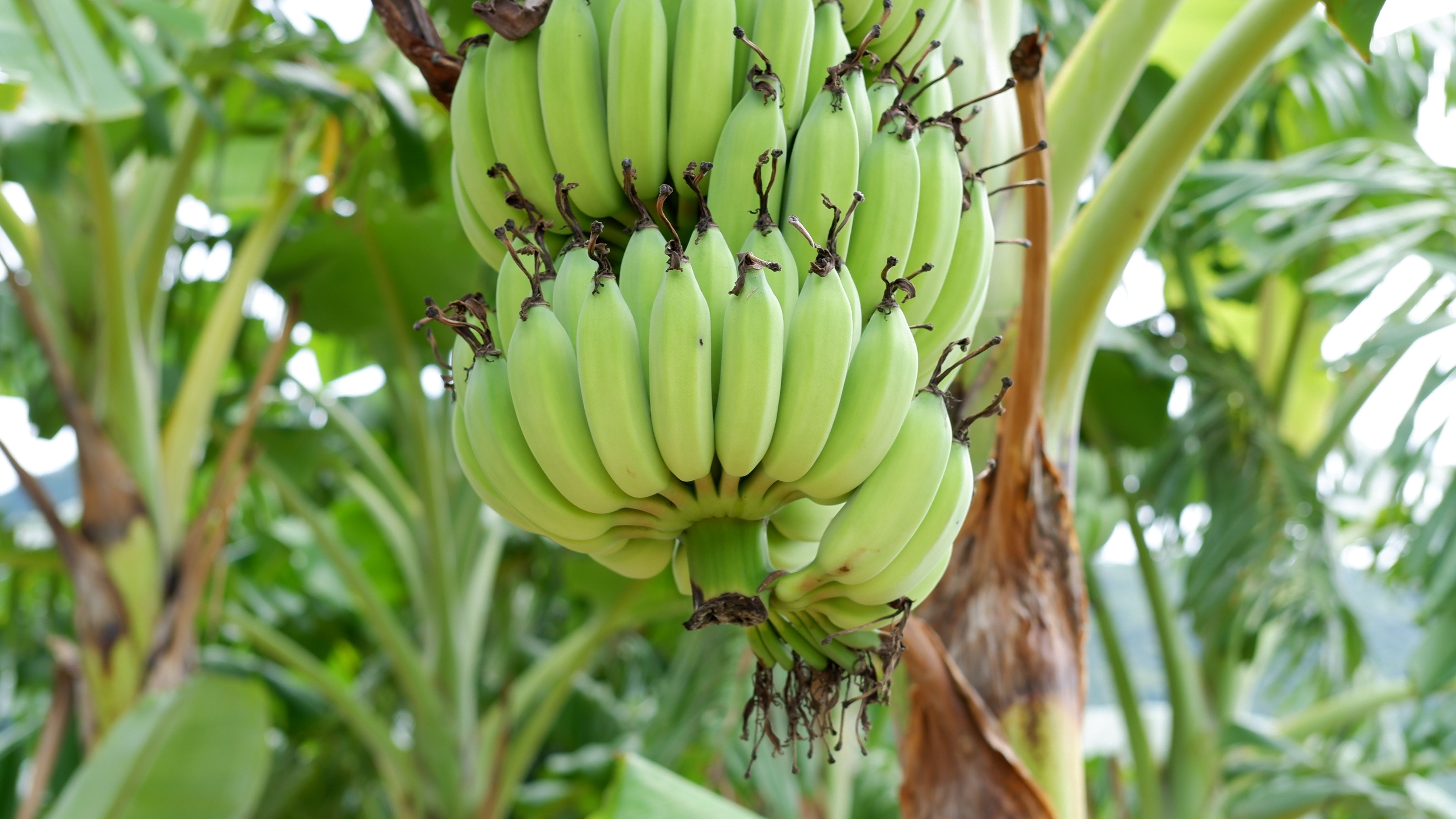
More Than Just a Fruit
People are generally reminded of plantain and banana as a healthy fruit that is present in every kitchen in India. But nothing is as versatile and commercially viable as the plantain tree. Unlike the majority of agricultural products where only a part of the plant brings in money, the plantain plant can be converted to a marketable product almost in every part.
The plantain industry is a great business opportunity to farmers, entrepreneurs, food processors, textile manufacturers and exporters in an era of increasing importance of sustainability, reduction of wastes and value added agriculture.
India is one of the world’s largest banana producers and can uniquely take advantage of this opportunity.
Plantain Cultivation and India’s Strength
India accounts for almost 25% of the world’s banana production and produces more than 35 million tonnes of bananas annually. The prominent producing states are Tamilnadu, Maharashtra, Andhra Pradesh, Karnataka, Gujarat, Kerala, Bihar and Uttar Pradesh.
These areas have a tropical and subtropical climate, which is ideal for growing. Much of southern and western India is well suited for plantain cultivation, as it is warm, has enough rain, fertile soil and good irrigation facilities.
Plantain farming has a relatively stable income for farmers as harvesting can be done all year round.
The Fruit Remains the Primary Revenue Driver
Fruit still remains the mainstay of the industry. Bananas and plantains are consumed to a great extent in India and are one of the most cost-effective fruits. In addition to fresh consumption, the food processing sector uses bananas in the production of chips, flour, baby food, puree, drinks, bakery products, health foods, and ready-to-eat food.
The rise of health awareness has also boosted the demand for banana products in the form of nutrition supplements because of the potassium, dietary fibre, natural sugars and energy value of bananas.
The processed food sector still provides a range of business opportunities in addition to fruit sales.
Turning Agricultural Waste Into Wealth
The remarkable thing about the plantain plant is that nothing much goes to waste.
The stem, which is usually thrown away after collecting, is becoming more popular for use as a source of fibre, organic manure, cattle feed, biodegradable products and health foods. Health conscious consumers have been interested in banana stem juice and fibre-based products.
The specific properties of banana fibre make it valuable, especially as it is biodegradable, durable and environmentally friendly. Can be used to make ropes, mats, handicrafts, paper products, packaging materials, and industrial uses.
With an increase in industries looking for sustainable substitutes to the synthetic materials, the banana fibre is gaining commercial interest.
A New Opportunity in Sustainable Textiles
The development of banana fibre in the textile sector is one of the most promising in the recent years.
Banana fibre is naturally breathable, biodegradable, lightweight, strong and is removed from the pseudo-stem after the harvest. It has been traditionally used for making ropes and household products and is now being converted to green fabrics and sustainable fashion items.
Banana fibre can be used in combination with cotton, silk, hemp and other natural fibres for making fabrics for clothing, home fabrics, handbags, carpets and decorative fabrics. Global consumers are more aware of the importance of environmental sustainability, and this is reflected in the growing demand for natural fibres.
India already has two distinct strengths – a large plantation of bananas and a huge textile industry in the world. The use of banana fibre in textile production can generate extra revenues for farmers and promote sustainable fashion and green production practices.
This is a new business area that has the potential for domestic and export growth for entrepreneurs.
The Leaves, An Untapped Potential
The banana leaf is a significant part of Indian culture, particularly in the context of traditional meals and religious rituals.
Now they are taking on new significance in light of concerns for plastic waste around the world. With the growing interest of restaurants, catering services, food packaging companies, and conscious consumers, natural alternatives to disposable plastics are becoming more and more popular.
The leaves are now processed and packaged and are being sold in the market, which has added a new income avenue for the banana growers and processors.
Flowers and Stem as Functional Foods
Today’s consumers are more attuned to the concept of functional foods that provide health benefits, in addition to their nutritional value.
Banana flowers and banana stem have been a part of traditional dishes in India for ages. In the modern world, food processors are looking for value-added products from these components such as ready-to-cook foods, dehydrated foods, powders, wellness foods and nutraceutical applications.
The market is growing in keeping with the consumer demand for natural and plant-based nutrition and preventive healthcare.
Environmental Benefits Strengthen Business Potential
The plantain industry fits into the current global trend on sustainability.
The products of the banana plants are renewable, biodegradable and have low waste. The use of stems, leaves, flowers and fibres helps to minimize agricultural waste and generates extra income for farmers.
With the growing interest in finding alternatives to plastic and synthetic materials, banana-based products could gain in importance in the circular economy.
Export Opportunities Are Expanding
India has progressively improved its position in the global export of bananas.
Indian bananas are still being imported into markets in the Middle East, Southeast Asia, Europe and neighbouring countries because of their competitively priced and their year-round availability. The improved cold chain logistics, packaging technology and quality standards are further improving export prospects.
Other banana products such as processed banana products, banana fibre, eco-friendly textiles, banana leaf products, organic derivatives are other emerging export categories with great growth potential.
Given the global trend towards sustainability, products from plantain plants could become more accepted in global markets.
Emerging Business Opportunities
The plantain industry is now beginning to see a paradigm shift in the understanding of entrepreneurs that diversification is the key to the value addition of the plantain industry.
There are various business opportunities such as banana chips manufacturing, fibre extraction units, textile production, biodegradable packaging, manufacturing of organic fertilizers, banana flour processing, wellness products, handicrafts, export-oriented processing facilities, and manufacturing of banana-based consumer products.
Multiple parts of the plant can be integrated in processing units which can have a significant impact on profitability and waste reduction.
Such circular business models fit well with the modern sustainability goals and green business practices.
Challenges Facing the Sector
Although the industry has great potential, there are still some challenges.
Even though bananas are not perishable, post harvest losses are still a concern. The prices of the products, the risks from the weather, pest infestation and insufficient processing facilities may also have an impact on profitability.
Small farmers are generally less likely to have value addition facilities, therefore, primarily rely on selling raw fruit.
To fully realize the sector’s potential, it is important to expand processing capacity, work on value addition and improve supply chains, all of which will take place.
What is in Store for the Future?
The plantain and its future are not limited to the production of the plantain. In today’s sustainability-conscious world, with a growing focus on circular economies, eco-friendly materials and natural fibres, the banana plant is uniquely positioned to provide benefits to the economy as almost all parts of the plant can be utilized to generate value.
The growth opportunities in the coming decade are expected to be new in terms of advances in fibre extraction, sustainable textiles, food processing, biodegradable materials, nutraceuticals, and export-oriented manufacturing.
The plantain tree could be one of the most underutilized assets for businessmen, investors and entrepreneurs interested in opportunities in the fields of agriculture, sustainability, manufacturing and innovation in India.
As the world looks for sustainable alternatives and ways to make the most of its resources, the plantain plant is a testament to the idea that sometimes the best is in the simplest.