


Bangalore, India, 30 July: mPokket, one of India’s leading digital lending platforms, today reaffirmed its commitment to Environmental, Social, and Governance (ESG) principles with the release of results from “Apni Mitti Se Judi Shiksha,” a year-long rural education programme it sponsored in full partnership with Help Us Help Them (HUHT). The initiative sits at the core of mPokket‘s social impact strategy of using its scale as a fintech lender to invest not just in access to credit, but in the education, environmental, and community systems that determine who gets to use that access well.
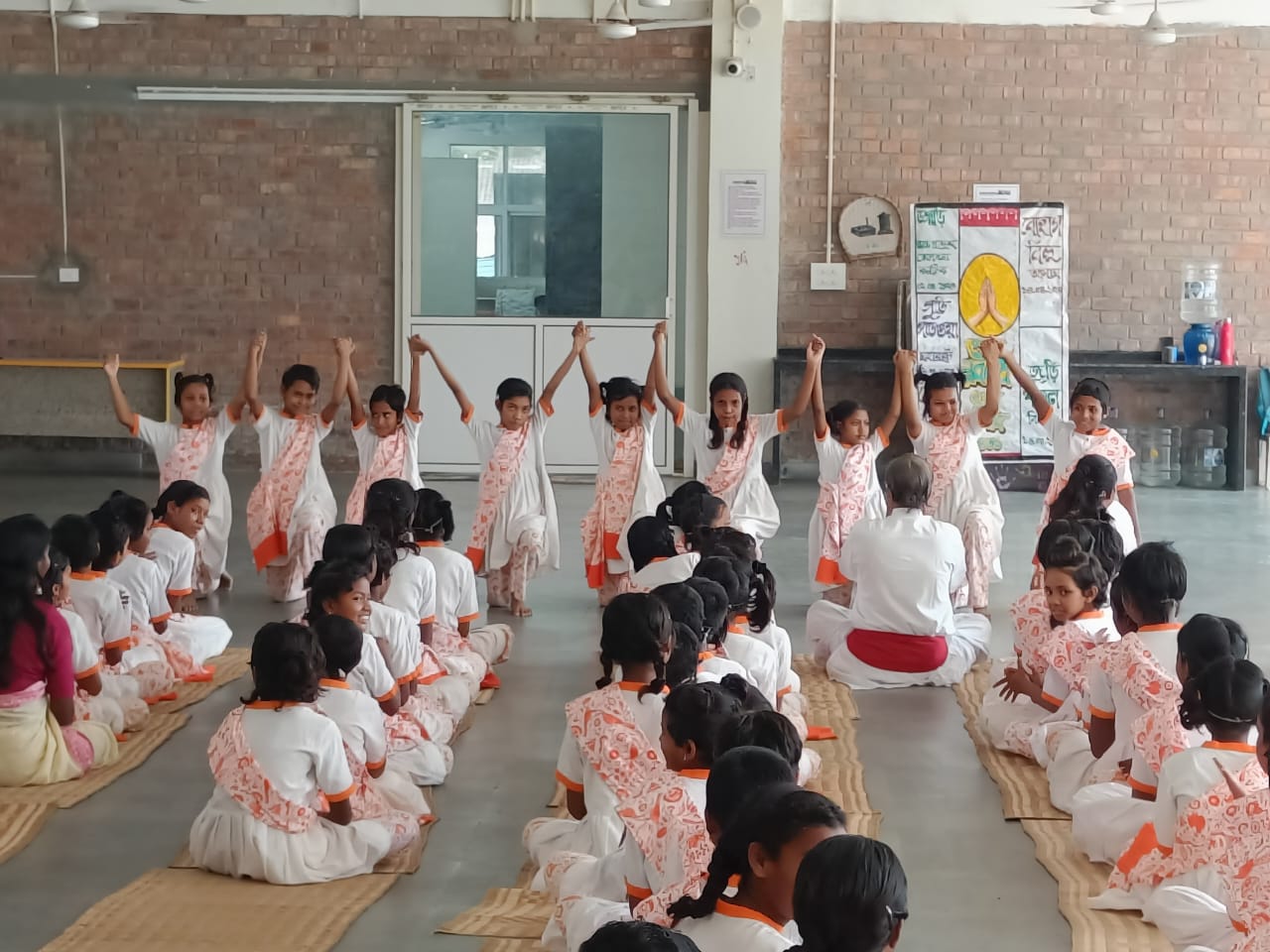
The programme ran through 2025 across 100 rural schools in 12 districts of West Bengal, integrating 18 traditional rural livelihood skills, including agriculture, pottery, textile work, and Kalaripayattu, into mainstream academic curricula, reaching over 9,000 students and 800 teachers. mPokket supported every stage of the programme: school selection and onboarding, infrastructure (including 356 computers, 7,000 flutes, and toilet blocks in 33 schools), teacher and school-head training, artisan salaries for 151 community artisans, and on-ground monitoring across all 100 schools.
“At mPokket, we believe that access to credit and access to quality education solve the same underlying problem: giving people the confidence and the tools to build their own future. This programme was never about writing a cheque and stepping back. Over the past year, we’ve watched teacher attendance more than double, seen toilets built that changed whether girls came to school at all, and heard from children who found their voice through music and craft, not textbooks. That’s the kind of change we want our name attached to. This is just the first year. We’re already planning how we deepen this partnership through 2026 and 2027,” said Rajani Jalan, who oversees HR and CSR at mPokket.
“None of this would exist at this scale without mPokket. A hundred schools, twelve districts, thousands of children learning skills rooted in their own soil, this only happened because mPokket chose to stand behind it fully, from the first school we onboarded to the last toilet block we built. They didn’t just fund a programme, they backed a belief: that rural India’s children don’t need to leave their roots behind to build a future. We are grateful for a partner who saw that vision and made it real,” said Mukti Gupta, Founder, Help Us Help Them (HUHT).
Environmental: Building Sustainability Habits at the Grassroots
-
Schools practising waste segregation went from 0% to 96%, with compost produced in schools now sold through local markets and government linkages, turning a classroom sustainability lesson into a small but real source of community income.
-
Environmental care was folded into everyday learning through kitchen gardens, where students grew, measured, and studied seasonal vegetables later used in school midday meals.
Social: Measurable Gains in Learning and Wellbeing
-
Teacher attendance at cluster-level training rose from 38% to 90%.
-
Schools reporting student attendance above 85% increased from 70% to 91%.
-
Classrooms rated clean during observation rose from 11% to 81%, and schools actively engaged in digital learning rose from 15% to 88%.
-
Toilet blocks were completed in 26 of 33 schools identified for the intervention, improving hygiene access and, in several schools, family confidence in sending daughters to school.
-
151 local artisans were engaged as paid teachers across agriculture, pottery, textile, and Kalaripayattu, turning traditional community skills into a source of steady income and formal recognition within the school system.
-
Parent and guardian engagement, piloted in 8 schools, recorded an average 67% parent attendance at workshops, extending the programme’s impact from students into households.
Governance: Transparency and Structured Oversight
-
The programme was run on a “supported supervision” model: monthly classroom observations, decentralised cluster-level teacher training, and standardised assessment tools benchmarked against ASER methodology.
-
49 additional schools were onboarded mid-year only after a structured social-audit based review process.
Building on learnings from the programme’s first year, including the finding that “access does not mean continuity,” HUHT and mPokket plan to expand the initiative’s monitoring and evaluation framework in 2026-27, introducing ASER-aligned baseline and endline assessments, deeper school leadership development, and strengthened parent and community engagement across the existing school network.