


India Exports Rise 25.4% to $82.68 Billion in August as Goods and Services Trade Gains Momentum
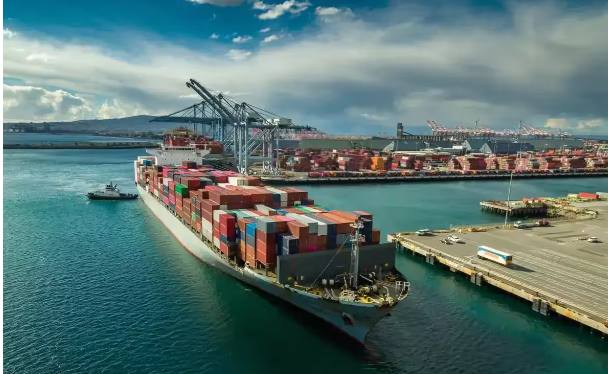
India’s goods and services exports recorded strong growth in August, rising 25.4 per cent year-on-year to $82.68 billion. The latest India export data points to improving overseas demand and continued momentum in the country’s external trade despite challenges in the global economy.
Merchandise exports increased 26.1 per cent to $43.81 billion in August, compared with $34.74 billion during the same month last year. Services exports also remained a major contributor, estimated at around $38.87 billion.
The rise in India’s exports comes as businesses across manufacturing and services continue to look for opportunities in international markets. Stronger export orders can support higher production, improve capacity utilisation and create additional demand across supply chains.
Several key sectors contributed to the increase in merchandise shipments, including engineering goods, electronics, chemicals, petroleum products and automobiles. Growth across these sectors highlights the expanding role of Indian manufacturers in global supply chains.
The automobile sector also recorded higher overseas shipments during the month. Continued demand for Indian-made vehicles and components can create opportunities for manufacturers, component suppliers, logistics companies and other businesses linked to the automotive supply chain.
The US remained an important market for Indian exporters, while exports to several other major economies also increased. A broader export market can help Indian businesses diversify their international customer base and reduce dependence on individual markets.
From a business and economic perspective, rising exports can have a multiplier effect. Higher international orders can encourage companies to expand manufacturing capacity, increase hiring, invest in technology and strengthen their supply networks. Logistics, warehousing, shipping, packaging and financial services can also benefit from increased trade activity.
The growth could be particularly relevant for MSMEs and small businesses, many of which supply components, raw materials and services to larger exporters. Greater integration with global supply chains could give these businesses opportunities to increase production and reach new customers.
However, exporters continue to face cost pressures. Crude oil prices, freight charges, imported raw materials and currency movements can influence the final cost of Indian products in overseas markets. Maintaining price competitiveness will therefore remain important as global trade conditions continue to change.
India’s merchandise trade deficit stood at $26.86 billion in August as imports remained higher than merchandise exports. Strong services exports, however, helped support the overall goods-and-services trade position.
The latest India export growth figures underline the increasing importance of international trade to the domestic economy. Continued growth will depend on global demand, competitive manufacturing, efficient logistics, reliable supply chains and Indian companies’ ability to expand their presence in international markets.
For Indian businesses, the August export performance highlights the opportunities emerging from global trade while also pointing to the need for greater competitiveness, product diversification and stronger international market connections.