


New Delhi, Aug 28: India’s non-fossil power capacity has crossed the 300 GW mark, putting the country on a stronger path towards its 500 GW clean-energy target by 2030 and creating fresh opportunities across the business and industrial sectors.
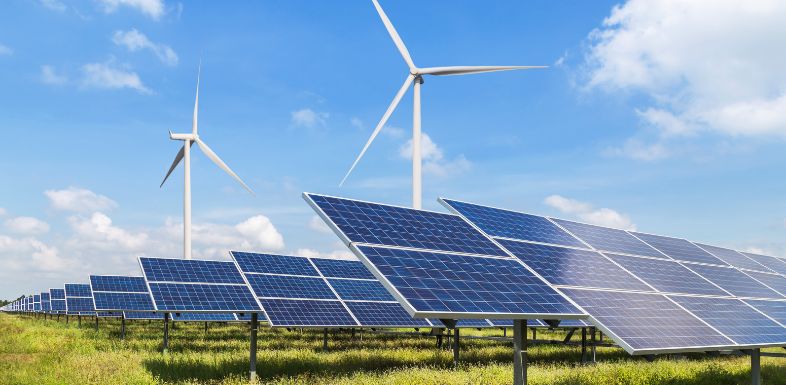
The expansion of clean power is driving demand for solar and wind equipment, battery storage, transmission systems and other supporting technologies. Companies operating in these areas could see greater investment and project opportunities as India continues to expand its renewable-energy infrastructure.
The clean-energy push is also encouraging the growth of domestic manufacturing. Demand for solar modules, power equipment, batteries and related components could support new production facilities, supply chains and employment across the country.
For energy-intensive businesses, the increasing availability of renewable power could help diversify energy sources and support long-term efforts to manage operating costs. It may also help Indian exporters respond to growing global demand for products made with lower-carbon energy.
The shift has wider economic benefits. Greater use of domestic renewable resources can reduce exposure to fluctuations in international fossil-fuel prices and strengthen India’s energy security.
Financial institutions, infrastructure developers, technology companies and engineering firms are also likely to play an important role in supporting the next phase of the transition. Reaching the 500 GW goal will require substantial investment in generation, transmission, storage and grid modernisation.
For the corporate sector, India’s clean-energy expansion is therefore becoming more than an environmental priority. It is emerging as a significant investment and growth opportunity, with the potential to reshape manufacturing, infrastructure and energy markets in the years ahead.