


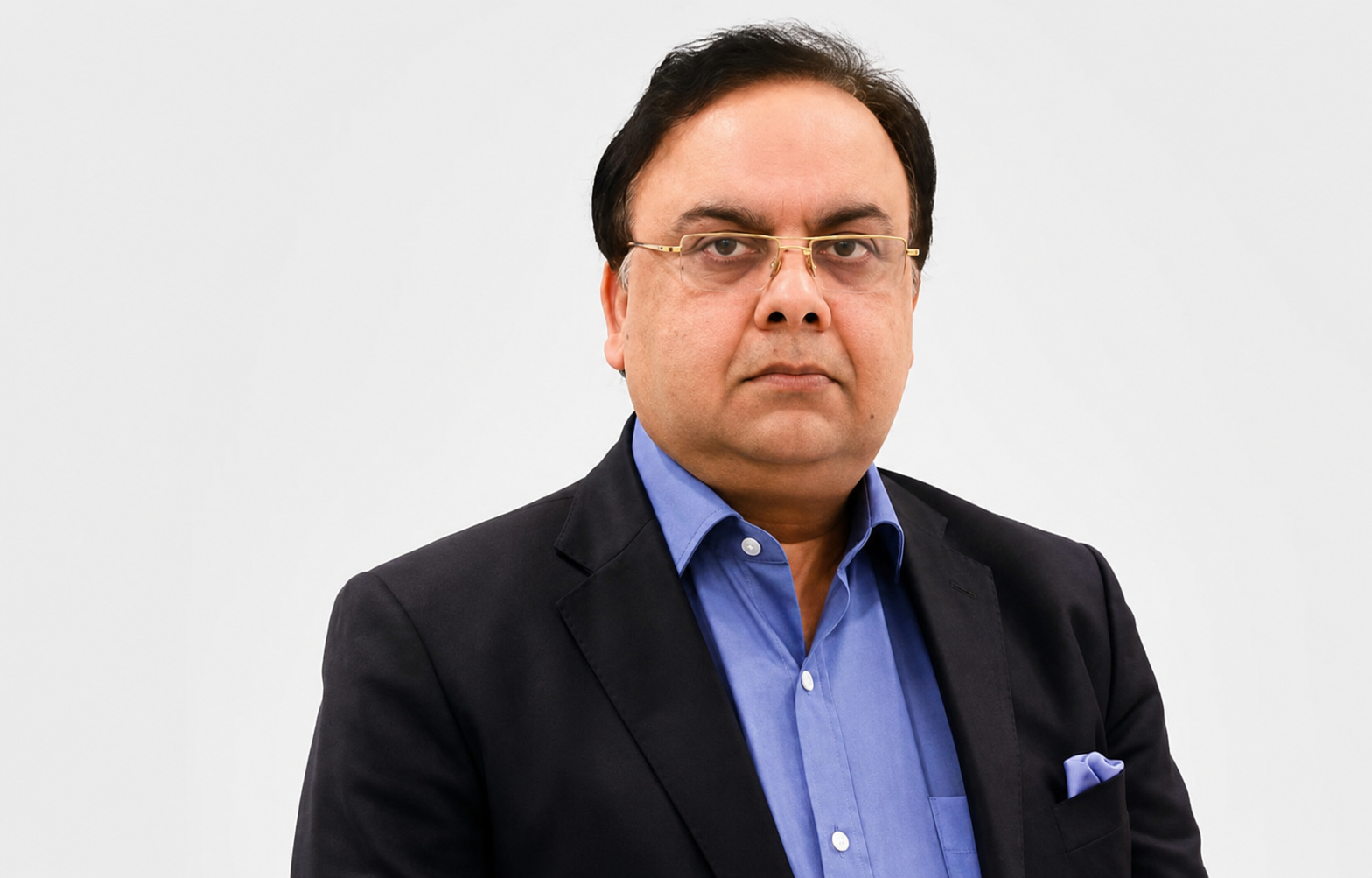
-Mr. Narinder Wadhwa, MD & CEO, SKI Capital Services Ltd.
With India’s growth increasingly driven by its MSME and mid-corporate ecosystem, access to timely and structured capital has become a critical enabler of scale.
With both private and public equity markets becoming more selective and valuation-sensitive, mobilising capital through debt markets is emerging as a highly relevant and practical funding option for growing businesses. Over the past few years, equity investors—both public market participants and private equity funds—have become more cautious due to global interest rate cycles, tighter liquidity and higher scrutiny on profitability and governance. In such an environment, structured debt solutions such as debt syndication are gaining prominence as a reliable pathway for companies to raise growth capital without diluting ownership. This makes the discussion around debt syndication particularly timely and relevant.
The opportunity becomes even clearer when viewed through the lens of India’s MSME ecosystem. India has more than C.3 crore MSMEs, which contribute nearly 30% to the country’s GDP, about 45% of manufacturing output and close to 40–4C% of exports, while also employing over 11 crore people. Despite their importance, access to formal credit remains severely constrained. Estimates from the RBI and IFC suggest that India’s MSME sector faces a credit gap of roughly $330 billion (around ₹27–30 lakh crore), reflecting the mismatch between financing demand and the availability of structured lending. In fact, only a small proportion of MSMEs are able to access formal institutional finance, leaving a large segment dependent on informal sources or suboptimal borrowing structures.
At the same time, the broader credit ecosystem in India is expanding rapidly. Bank credit to businesses and MSMEs has been rising steadily, with total MSME credit alone crossing around ₹40–45 lakh crore in recent years, indicating both strong demand and growing institutional participation. Parallelly, alternative credit channels such as private credit funds and AIFs are also expanding. India’s private credit market deployed about $12.4 billion across 1CC transactions in 2025, representing roughly 35% year-on-year growth, signalling a rapidly deepening ecosystem of non-bank capital providers. This growing pool of capital—from banks, NBFCs, AIFs and private credit funds—creates a powerful opportunity for structured financing solutions.
This is precisely where debt syndication becomes a strategic bridge between capital providers and businesses seeking growth financing. Instead of relying on a single lender, companies can raise larger funding pools through a consortium of lenders, allowing for better risk distribution, competitive pricing and repayment structures aligned with cash flows. For MSMEs and mid-sized corporates that are expanding capacity, entering new markets or funding capex, syndication provides access to institutional capital that may otherwise remain fragmented across the financial system.
As India aims to become a $5 trillion economy and eventually a developed economy by 2047, the ability to efficiently channel credit to productive enterprises will be critical. Structured debt markets and syndication platforms will play an increasingly important role in bridging the massive financing gap in the MSME sector. In that sense, the theme of debt syndication is not only relevant but also represents one of the most significant opportunities in India’s evolving credit landscape.