


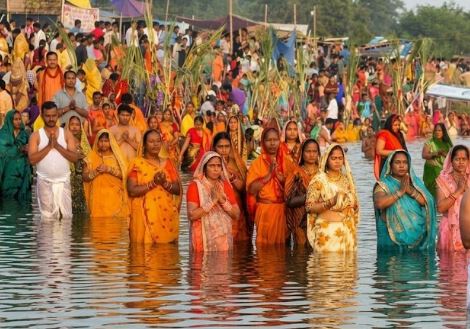
Chhath Puja is much more than a four-day religious observance. Across Bihar, Jharkhand, eastern Uttar Pradesh and communities in other parts of India, the festival brings together devotion, family, traditional food, travel, local markets and generations of cultural heritage.
Every year, as families prepare to return home and devotees gather near rivers, ponds and other water bodies, another transformation takes place quietly around them. Markets become busier, demand for fruits and traditional puja items rises, transport networks see increased movement and small businesses prepare for one of the most important seasonal periods of the year.
In 2026, Chhath Puja will be observed from November 13 to November 16, beginning with Nahay Khay and concluding with Usha Arghya to the rising Sun.
For businesses and the travel industry, the festival offers a fascinating example of how India’s cultural traditions can generate economic activity while remaining deeply rooted in community and faith.
Chhath Puja: A Tradition Built Around Nature
At the heart of Chhath is the worship of Surya Dev, the Sun God, and Chhathi Maiya. Devotees offer prayers to the setting Sun and later return before sunrise to offer arghya to the rising Sun.
The festival places unusual emphasis on nature. Water bodies become important gathering spaces, while fruits, sugarcane, grains and other natural products form a major part of the offerings.
This connection with nature is one reason Chhath has retained a distinctive identity even as the festival has travelled from traditional rural settings to India’s rapidly growing cities.
Four Days That Bring Communities Together
Chhath follows a carefully observed four-day sequence.
The first day, Nahay Khay, begins with purification, cleanliness and preparation. The second day, Kharna, involves a day-long fast that is traditionally concluded in the evening with offerings.
The third day is Sandhya Arghya, when devotees gather at water bodies to offer prayers to the setting Sun. The final morning, Usha Arghya, sees devotees return before sunrise to complete the main ritual.
These gatherings are not simply religious ceremonies. They become community occasions where families meet, traditional songs are sung and local cultural practices are passed from one generation to the next.
Why Chhath Creates a Seasonal Business Rush
The festival generates demand across a surprisingly wide range of businesses.
Fruits are among the most visible parts of the Chhath marketplace. Bananas, coconuts, sugarcane and other fruits become essential purchases for many families. Demand also extends to grains, jaggery, earthen utensils, bamboo baskets, soop, daura, clothing and other traditional items.
This creates a chain of economic activity involving farmers, wholesalers, transporters, market traders, street vendors, retailers and artisans.
For small businesses, Chhath is therefore not simply another festive period. It can be an important seasonal sales opportunity.
Fruits, Sugarcane and Traditional Products Drive Demand
The Chhath shopping basket is closely connected to agriculture and traditional livelihoods.
Fruit sellers prepare for increased demand, while farmers and wholesalers work to maintain supplies. Sugarcane is another important seasonal product associated with the offerings.
At the same time, traditional bamboo products such as soop and daura provide livelihood opportunities for artisans. Earthen lamps, utensils and other handmade products add another layer to the local economy.
This makes Chhath particularly interesting from a business perspective because a large part of the festival economy is connected to small traders and traditional producers, rather than only organised retail.
The Homecoming Economy
Perhaps one of the biggest economic effects of Chhath comes from people travelling home.
For many families, returning to their hometown for Chhath is an annual emotional tradition. People travel by train, bus, car and other modes of transport to participate in the celebrations with their families.
This creates seasonal demand for transportation and accommodation while increasing spending in local markets.
Restaurants, hotels, roadside businesses, grocery stores and local service providers can all benefit from the additional movement of people.
The festival therefore creates what can be described as a homecoming economy, where cultural tradition translates into increased economic activity across multiple sectors.
Chhath and the Growth of Cultural Tourism
The growing visibility of Chhath also creates an opportunity for cultural tourism.
Cities and towns associated with the festival can attract visitors interested in experiencing its rituals, traditional music, local cuisine and riverside celebrations.
Patna, Gaya and other parts of Bihar have long been closely associated with Chhath, while major celebrations are also seen across Jharkhand and eastern Uttar Pradesh.
For tourism businesses, the opportunity lies in presenting Chhath responsibly—not simply as a spectacle, but as a living cultural tradition.
Hotels, local guides, restaurants, transport operators and handicraft businesses can develop experiences around local culture while respecting the religious nature of the festival.
Chhath’s Growing Presence Beyond Its Traditional Heartland
Migration has played an important role in taking Chhath to new parts of India.
Communities living in Delhi, Maharashtra, Odisha and other states continue to observe the festival, often creating local celebrations around rivers, lakes and community spaces.
In Odisha, Chhath celebrations can also be seen in areas with communities originating from Bihar and eastern Uttar Pradesh.
This expansion is significant for businesses because it means the festival economy is no longer limited to its traditional geographic heartland.
Local retailers, fruit vendors, restaurants and small businesses in cities with large Chhath-observing communities can increasingly participate in the seasonal demand.
Cinema Is Giving Chhath a New Cultural Spotlight
The festival is also finding greater visibility through popular entertainment.
The 2026 Hindi film The Vvaan: Force of the Forrest brought Chhath into the mainstream entertainment conversation through its Chhath-related sequences and the Chhathi Maiya song.
Such representation can introduce regional traditions to audiences who may not have experienced the festival themselves.
For the entertainment and media industry, the growing visibility of Chhath also demonstrates the commercial potential of India’s regional cultures. Festivals, folk music, traditional stories and local identities are increasingly becoming subjects of films, digital content, music and advertising.
A Strong Opportunity for Small Businesses
Chhath’s business potential extends well beyond large companies.
Small businesses can benefit by offering products and services tailored to the festival, including:
- Fresh fruit and seasonal produce
- Traditional puja materials
- Bamboo baskets and handmade products
- Ethnic clothing
- Traditional sweets and food
- Travel and transportation services
- Local accommodation
- Festive packaging and gifting
- Digital delivery of essential products
- Cultural and tourism experiences
For entrepreneurs, the opportunity lies in understanding what families actually need during the festival and making those products easier to find, buy and transport.
Digital Commerce Meets Traditional Shopping
The traditional Chhath market is also beginning to intersect with digital commerce.
Consumers increasingly use smartphones to compare prices, locate products, order groceries and arrange travel. This creates opportunities for local businesses to use social media, messaging platforms and online marketplaces to reach customers.
A fruit seller, handicraft maker or local food business can potentially expand beyond its immediate neighbourhood by taking orders digitally and offering local delivery.
The combination of traditional demand and modern commerce could become an important part of the festival economy in the years ahead.
Why Chhath Matters to India’s Consumer Economy
Chhath offers an interesting window into India’s wider consumption story.
Unlike festivals driven primarily by luxury purchases, Chhath creates demand across everyday categories—from fruits and grains to transport, clothing and traditional household products.
This makes its economic impact particularly relevant to small traders, rural producers and local service providers.
The festival demonstrates how India’s cultural calendar can influence consumer behaviour far beyond shopping malls and organised retail.
The Bigger Picture
Chhath Puja remains fundamentally a festival of devotion, discipline, gratitude and family. Its economic importance is a result of those traditions rather than a replacement for them.
As millions of people prepare for the festival, the activity around them tells a larger story about India’s economy: farmers supplying markets, artisans producing traditional goods, traders stocking seasonal products, transport networks carrying families home and businesses adapting to changing consumer habits.
That makes Chhath Puja 2026 more than a festival story. It is also a story about culture, consumption, travel, entrepreneurship and the strength of India’s local economy.
From the Ghats to the Marketplace
The real strength of Chhath lies in the way it connects different parts of society.
A basket of fruits purchased from a local vendor, a bamboo soop made by an artisan, a train ticket booked for a journey home and a hotel room occupied by a visiting family may appear unrelated. During Chhath, however, they become part of the same economic ecosystem.
As the festival continues to reach new cities and generations, its cultural significance remains strong while its economic footprint continues to evolve.
For businesses, the lesson is clear: India’s festivals are not only moments of celebration. They are also powerful windows into consumer behaviour, local enterprise and the country’s living cultural economy.