


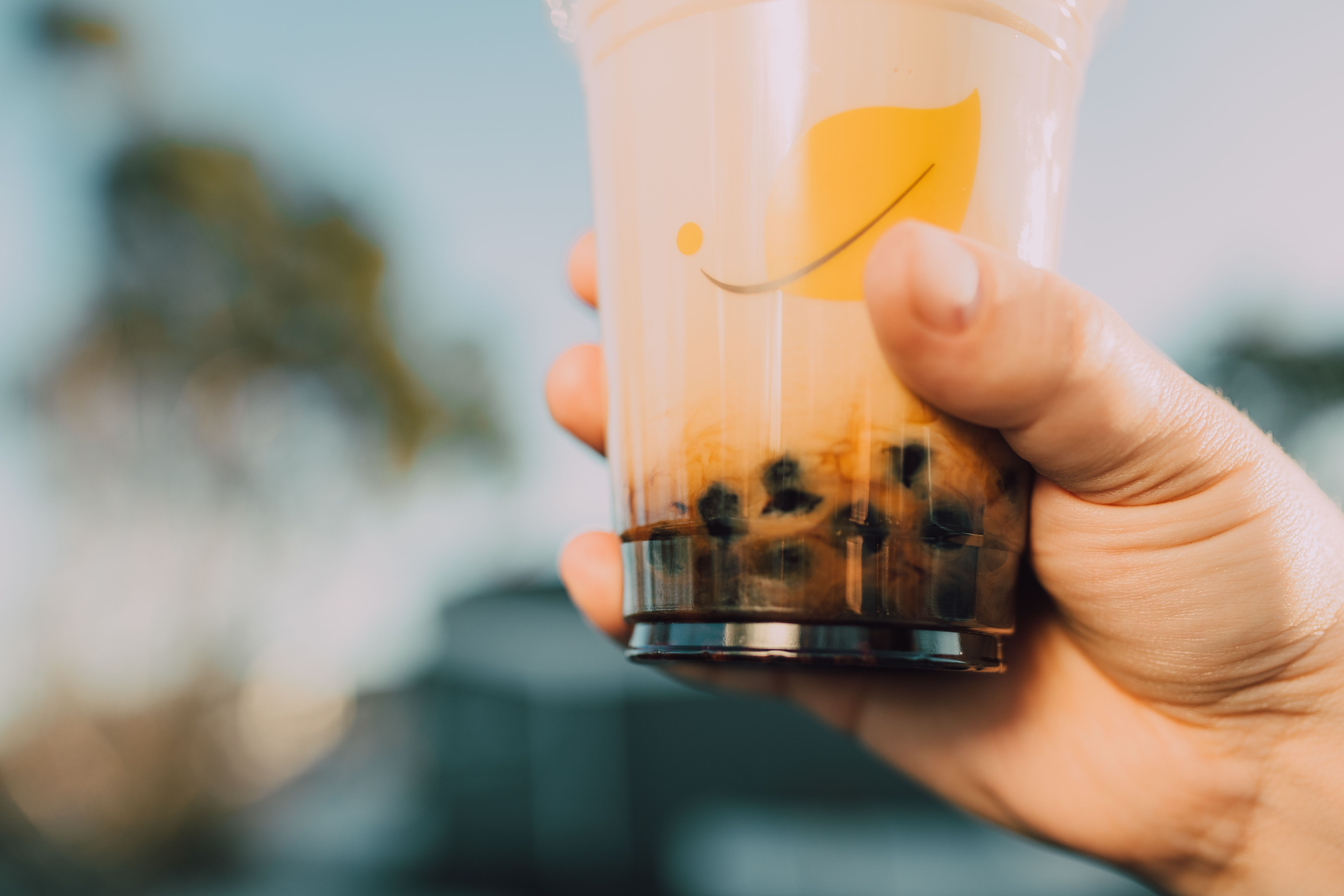
The Rise of Boba Culture
Bubble tea is a drink that started in Asia, but has become a worldwide phenomenon over the last decade. Once just a specialty drink at a few cafés, it is now a popular drink among students, professionals, and social media users. The key to this trend is boba, the chewy pearls that add texture and appeal to bubble tea.
The rising café culture trend in India, the growing middle class, and the rising global exposure to different food trends have made the situation favourable for the boba industry. Although most boba outlets use imported ingredients, there are opportunities for entrepreneurs to make their own boba and cater to a growing market.
If you are a budding foodpreneur, homemade boba is one of the most cost-effective businesses for you to invest in, with great prospects for expansion.
Why Boba is Gaining Popularity in India
The Indian food and beverage market has witnessed a surge in demand for experiential products. Today, consumers are looking for drinks which are not only tasty but also novel, customisable and visually appealing.
Bubble tea is ideally suited to this trend. The mix of flavoured teas, milk-based products, fruit teas, and chewy pearls provides a one-of-a-kind tea experience, especially for younger drinkers.
Social media has further fueled demand, and visually appealing drinks have proven to be very marketable. With the growing awareness outside the metros, the demand for boba products is likely to expand to Tier 2 and Tier 3 cities.
This opens up opportunities for cafés, but also for those involved in the supply of ingredients and for home businesses.
Making Boba at Home
The great thing about the business is that the ingredients required to make boba pearls are simple. The most simple home-made recipe consists of combining tapioca starch, boiling water and brown sugar syrup and making it into a smooth dough. The dough is then rolled into small balls like pearls and then cooked in boiling water till soft and chewy. The pearls are then placed into a sweet brown sugar syrup after cooking, adding to the flavor and preventing the pearls from sticking together. After the preparation, the pearls can be incorporated in milk teas, fruit drinks, iced coffees or drinks for desserts. Entrepreneurs can also try to develop natural flavours, fruit extracts, jaggery, cocoa, coffee, and herbal ingredients to produce the special varieties that cater to Indian tastes.
A Business With Multiple Revenue Streams
Boba isn’t just about the drink itself.
There are various ways to make money from bubble tea such as opening new bubble tea shops, selling boba pearls in packaged form for ready-to-cook bubble tea, providing frozen boba tea products, selling the required equipment for bubble tea cafes, offering bubble tea franchise opportunities, catering for events, and selling bubble tea online.
Boba can also be used in milkshakes, desserts, ice creams, mocktails or specialty drinks, making it a great addition for home bakers and beverage startups. This versatility enables companies to offer a variety of services and products to various target audiences.
Value added products will also benefit from the rising demand for premium beverages.
The Advantage of Local Production
Traditionally, the specialty ingredients used in bubble tea have been imported. There are a number of benefits to local production.
The production of boba pearls in India can help lower production costs, ensure freshness, cut down on the supply chain, and offer more customization. Flavours can be customized as per the Indian taste, like mango, cardamom, saffron, rose, tender coconut, coffee, and jaggery flavours.
It also helps businesses to be more innovative as an Indian brand, instead of just being the copies of international ideas.
Local production may become more appealing as import prices change.
Market Potential Beyond Cafés
Bubble tea shops may be the most prominent aspect of the market, but the bigger opportunity could be business-to-business supply.
Boba dessert products are being tried out more and more in restaurants, hotels, bakeries, dessert parlours, catering companies, food courts, and beverage brands. Other potential sales channels include entertainment centres and educational institutions, and shopping malls.
Using the right packaging and shelf life management, boba manufacturers can distribute their product to various cities without having to have any store.
The business is very scalable, which is very attractive for entrepreneurs.
Challenges to Consider
As with any food business, there are challenges involved with producing boba.
Attention to detail is a requirement for achieving consistency in texture and quality. It’s important to manage inventory since fresh boba pearls have a limited shelf life. Businesses are also required to meet food safety standards and keep in good hygiene.
In some areas the awareness of consumers is still low and needs to be marketed and educated about the products. The bubble tea market is also becoming more competitive with more entrepreneurs joining the fray.
But all these problems are surmountable with some planning and product differentiation.
Opportunities for Innovation
The next phase of growth may come from innovation rather than simple replication.
Consumers are looking for alternatives to refined sugar and artificial ingredients that are health conscious. This opens up opportunities for natural sweeteners, millet drinks, herbal teas, plant-based milk products, and improved boba options.
The products might also be unique in the market and feature Indian flavours and regional ingredients.
Companies which can blend global and local tastes can reap a major benefit.
What the Future Holds
The food and beverage industry is constantly evolving, with shifting preferences, social media influence and increased disposable incomes driving the change. Bubble tea and boba products are well suited for this.
With the rise of café culture and the desire for new experiences, the demand for premium boba ingredients is expected to continue to rise. Local production can help to cut import reliance and provide opportunities for small-scale manufacturers, food start-ups, and home-based entrepreneurs.
The boba business has an unmatched low barrier to entry, rising demand, flexibility with product, and scalability for business owners looking to enter the food industry.
This seemingly small beverage fad could soon turn into a successful business system. If you’re willing to think outside the box and cater to Indian preferences, the seemingly insignificant boba pearl might prove to be a surprisingly lucrative business idea.