


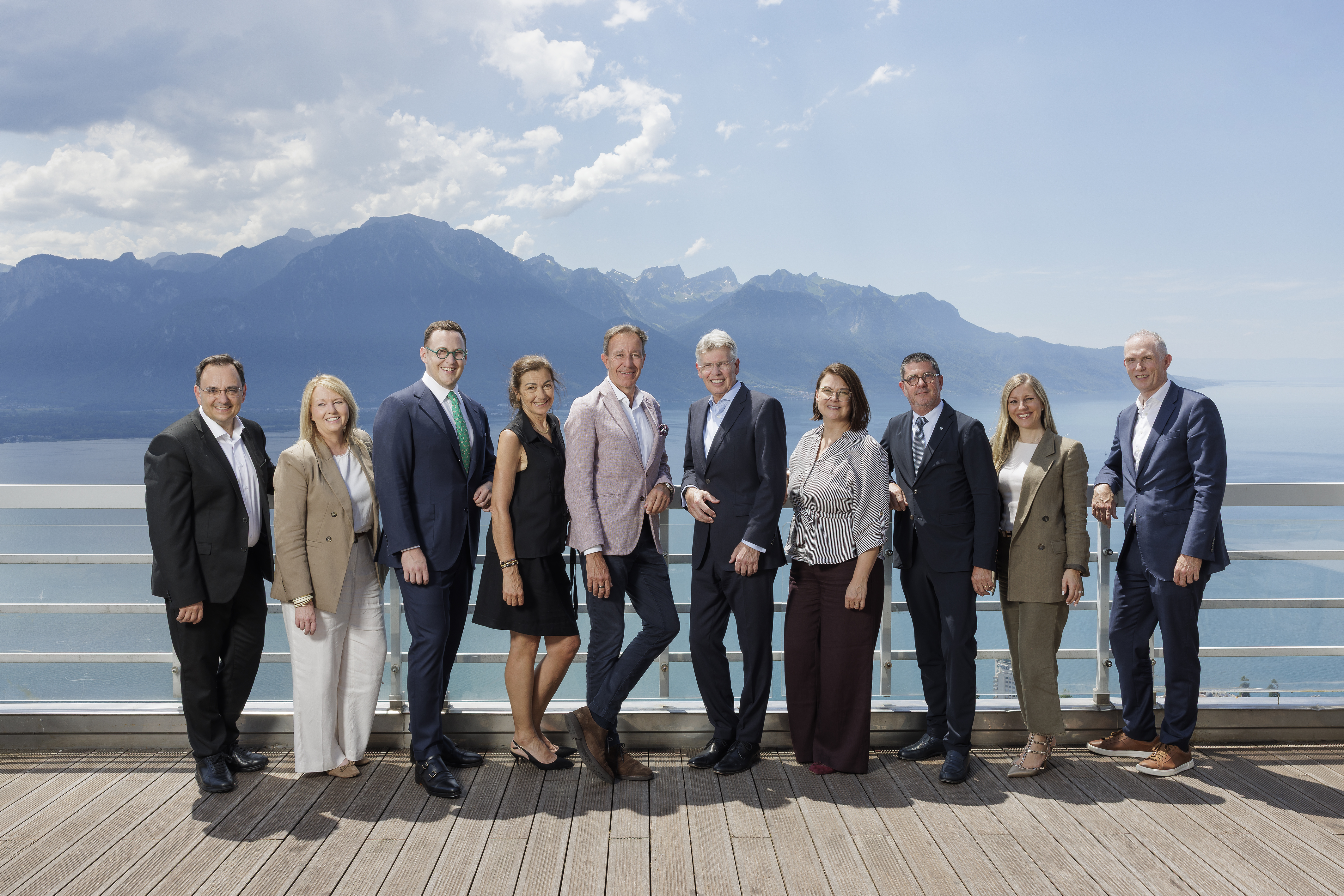
India June 30: Glion Institute of Higher Education welcomed the members of its Hospitality & Luxury Industry Council (HLIC), established in 2025, for their third official gathering, the second on its Montreux campus, bringing together senior leaders from some of the world’s most influential hospitality, luxury and experience-driven brands.
The meeting took place against the backdrop of profound transformation across the global workforce. According to the World Economic Forum’s Future of Jobs Report 2025, 22% of today’s jobs are expected to be disrupted by 2030, while 39% of today’s core skills will change and 59% of the global workforce will require reskilling or upskilling. For higher education institutions, anticipating these shifts has become a strategic imperative.
Created to strengthen the dialogue between academia and industry, the Council serves as a strategic platform for identifying the trends, leadership challenges and emerging skills that will shape the future of hospitality and luxury.
A strategic bridge between academia and industry
For Glion, the Hospitality & Luxury Industry Council reflects a clear ambition: ensuring that education remains closely connected to the realities, opportunities and transformations shaping the industry.
“The hospitality and luxury sectors are evolving at an unprecedented pace. New technologies, changing consumer expectations, sustainability imperatives and talent challenges are transforming the way organizations operate and compete. The Hospitality & Luxury Industry Council ensures that Glion remains deeply connected to these transformations and continues to prepare students for the realities of tomorrow’s industry. By bringing together some of the most respected voices across hospitality and luxury, we are creating a platform for meaningful dialogue that will directly contribute to the relevance, quality and future evolution of our academic programs.” – Philippe Vignon, Managing Director, Glion Institute of Higher Education More than an advisory body, the Council is designed as a long-term observatory of industry evolution. The insights generated through its discussions directly contribute to the continuous development of Glion‘s academic portfolio and reinforce the institution’s commitment to preparing future leaders for an increasingly complex, international and experience-driven world.
Bringing together leaders from across the luxury ecosystem
One of the Council’s distinguishing features is the diversity of expertise represented around the table. Its members span luxury hospitality, travel, design, retail, guest experience, talent development and education, reflecting the increasingly interconnected nature of the hospitality and luxury industries.
This cross-sector perspective mirrors the evolving careers of Glion graduates. Today, more than half pursue careers beyond traditional hotels and restaurants, moving into luxury retail, real estate, consulting, finance, events and other premium service industries. By bringing together leaders from these sectors, the Council helps ensure that Glion‘s programs remain aligned with the full breadth of opportunities offered by today’s experience economy.
The Hospitality & Luxury Industry Council currently includes:
- Grisha Davidoff, Owner & CEO, Utopian Hotels (Lisbon)
- Gaëlle Devins, Chief Customer Officer & Member of the Executive Board, Breitling (Grenchen)
- Amanda Hyndman, Chief Operating Officer, Mandarin Oriental Hotel Group (Hong Kong)
- Sybille de Margerie, President & CEO, Sybille de Margerie Interior Design (Paris)
- Nicholas Northam, former Executive Vice President International, Aimbridge Hospitality (London)
- Anthony Torkington, Managing Director, Relais & Châteaux (Paris)
- Jeffrey Wielgopolan, Service Director, Meadowood Estate Napa Valley (California)
Together, these leaders bring decades of international experience, providing Glion with direct access to the perspectives shaping the future of hospitality and luxury worldwide.
« One of the most significant changes we’ve witnessed over the past decade is the growing diversity of career opportunities available to our graduates. More than half of our graduates now build their careers beyond traditional hotels and restaurants, in sectors such as luxury retail, events, real estate, consulting or finance. Keeping a constant dialogue with industry leaders is therefore essential. It enables us to understand how roles are evolving, which skills employers are looking for, and how we can continuously adapt our programs so that our graduates remain relevant, not only for their first job, but throughout their careers. » – Jacquie Lutz, Head of Career and Alumni Services & Industry Relations, Glion Institute of Higher Education
Identifying the trends that will shape the next decade
Council members participated in a collaborative workshop structured around five strategic pillars: Financial & Asset Acumen, Technology & AI, The Human Aspect, Talent Management, and Sustainability & Responsible Business, the session encouraged experts to collectively examine the forces redefining the industry.
As AI is already transforming every layer of the hospitality and luxury value chain, from operational efficiency and data-driven decision-making to guest personalization and service innovation. Yet, while technology is reshaping business models, it also reinforces the value of distinctly human capabilities.
Across all five pillars, a clear consensus emerged: the future of luxury hospitality will depend on leaders who combine technological fluency with emotional intelligence, empathy, cultural awareness and exceptional interpersonal skills. These reflections reinforce Glion‘s conviction that preparing a future-ready workforce requires a seamless integration between academia and industry. Alongside AI, innovation and leadership, students develop their capabilities through real-world consulting projects and up to 18 months of professional experience across three internships during the Bachelor degree, ensuring they graduate with the adaptability, operational expertise and strategic mindset required to lead an industry evolving faster than ever.