


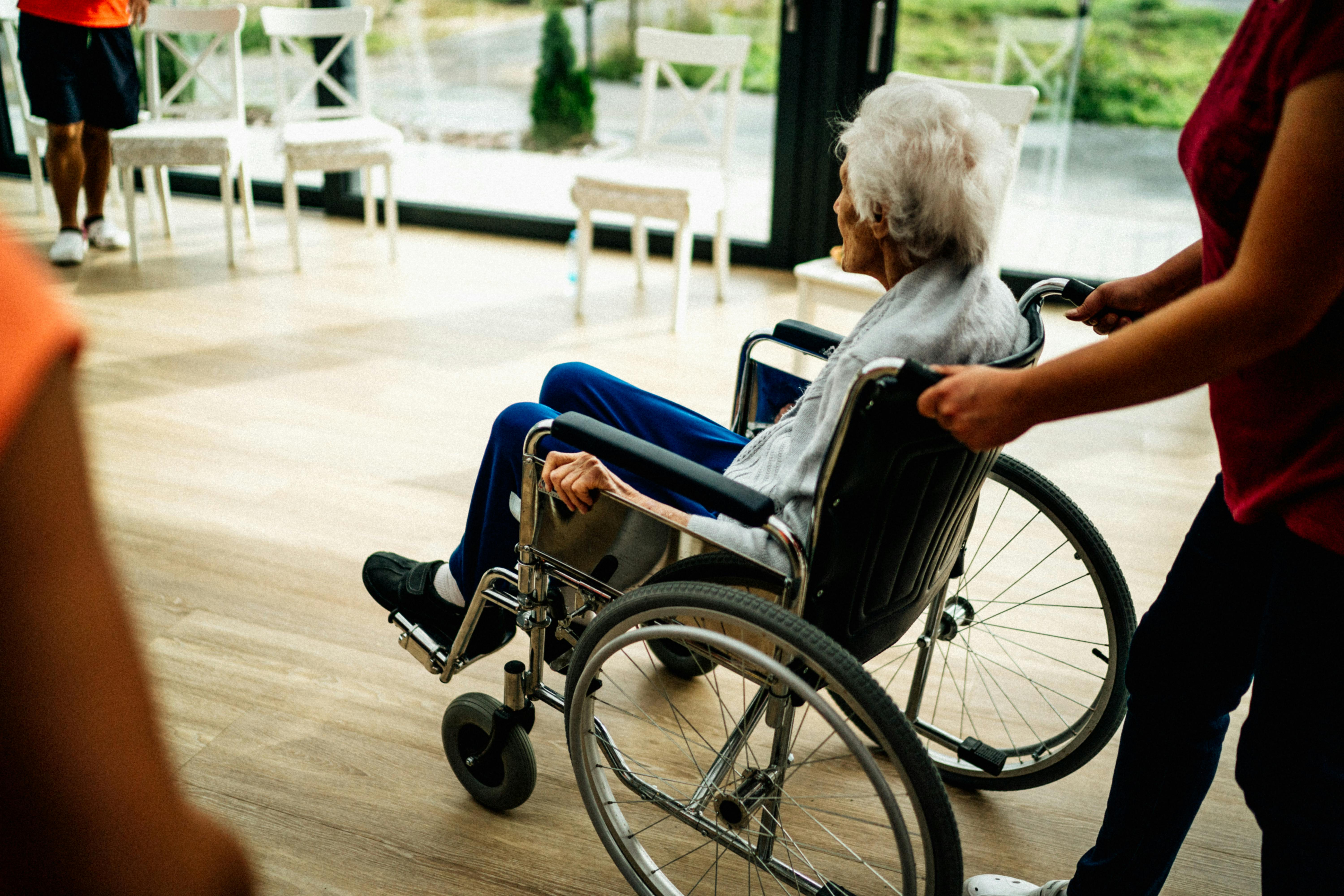
Why India Is Slowly Moving Towards Elder Day Care Services
India is ageing quietly.
For decades, Indian families believed elderly parents would always be cared for at home by children or relatives. That idea still exists emotionally, but practical life has changed. Nuclear families are growing, both husband and wife are often working, and many children now live in different cities or even different countries. As a result, a growing number of senior citizens spend long hours alone during the day.
This is where the idea of a 9-to-5 elder day care centre becomes important—not just as a business, but as a social necessity. Unlike old-age homes, these centres are designed for daytime support. Senior citizens can spend the day in a safe and engaging environment while family members are at work, and then return home in the evening.
In many Indian cities, this is no longer a future concept. It is becoming a real need.
Why Elder Day Care Is Becoming Necessary
Loneliness among elderly people is increasing more than most people realise.
Many senior citizens today have financial support but lack companionship, routine, or emotional interaction. Spending an entire day alone can slowly affect mental health, confidence, memory, and even physical activity levels.
Families often feel guilty about leaving elderly parents alone, but modern work culture leaves little choice. This gap between responsibility and reality is exactly where elder day care services fit in.
These centres provide supervision, conversation, activities, meals, and emotional support during the day. Sometimes, what elderly people need most is not advanced medical care—but simply human presence and engagement.
Who Can Start This Type of Business
One reason this sector has strong potential is because people from different backgrounds can enter it.
Healthcare workers, nurses, retired teachers, social workers, wellness entrepreneurs, NGOs, and even women-led community groups can build successful elder care centres. However, this is not the kind of business that works through marketing alone.
Patience, empathy, and emotional understanding matter just as much as infrastructure. Families are trusting someone with their parents. That trust becomes the foundation of the business.
What Is Needed to Start an Elder Day Care Centre
The setup does not always need to be luxurious, but it must feel safe, comfortable, and welcoming.
The building should ideally have ramps, handrails, clean washrooms, proper ventilation, comfortable seating, and flooring designed to reduce fall risk. Accessibility matters more than decoration.
Trained caregivers are essential. Even if the centre is small, there should be staff capable of handling basic health concerns, emotional support, and emergency situations calmly. Some centres may also include visiting doctors, nurses, physiotherapists, or counsellors depending on the budget and scale.
Transportation support can become a major advantage, especially in cities where elderly mobility is difficult. Above all, the environment should not feel clinical. It should feel peaceful and human.
What Services Can Be Offered
The most successful elder day care centres will not be the ones offering the most expensive services. They will be the ones creating comfort and routine.
Meals, tea, medication reminders, health monitoring, indoor games, reading sessions, music, yoga, light exercise, physiotherapy support, and social interaction can all become part of the daily schedule.
Some elderly individuals simply want conversation. Others enjoy group activities or quiet spaces to relax. Emotional care often matters as much as physical care. That is something many businesses underestimate.
Why Hourly-Based Elder Care Has Huge Potential
Not every family needs full-day support.
Some families may only require assistance for a few hours during office meetings, travel, medical appointments, or emergencies. This creates strong demand for flexible hourly-based elder care.
Short-duration supervision, home visits, temporary companionship, and post-hospital recovery assistance can become additional service models. This flexibility also makes elder care more affordable for middle-class families.
As urban lifestyles become faster and more demanding, flexible care services are likely to grow rapidly across India.
The Business Opportunity Behind the Idea
India’s elderly population is rising steadily, but organised elder care services are still limited compared to many developed countries. This creates a large gap in the market.
Cities like Bengaluru, Mumbai, Chennai, Hyderabad, Kochi, and Delhi are already witnessing increasing demand for professional senior care support. Over the next decade, India’s elder care sector is expected to expand significantly because of rising life expectancy, healthcare awareness, and changing family structures.
The industry can also generate employment for caregivers, nurses, therapists, drivers, cooks, coordinators, and support staff. In many ways, elder care may become one of India’s next major service industries.
The Challenges We Should Not Ignore
Despite the opportunity, this is not an easy business.
Families expect safety, hygiene, emotional sensitivity, and immediate response during emergencies. Caregiver burnout can become a real problem because emotional labour is involved every day.
This field requires consistency, patience, and long-term trust-building. Shortcuts usually fail quickly.
The Future of Elder Care in India
India is slowly entering a phase where care-based businesses will grow alongside healthcare and wellness industries.
Just as child day care centres became normal in urban life, elder day care centres may soon become equally important. Society is gradually understanding that seeking professional support for elderly care is not neglect—it is often responsible planning.
Where India Must Go From Here
A 9-to-5 elder day care centre is more than a business opportunity. It reflects how Indian society itself is changing.
As families become smaller and life expectancy increases, systems that provide dignity, companionship, and support for senior citizens will become increasingly important.
In the end, the centres that truly succeed will not just provide services. They will create spaces where elderly people feel respected, valued, safe, and emotionally connected.
And in a rapidly changing world, that may become one of the most valuable services of all.