


MPA, Film Federation of India, Indian Music Industry, Producers Guild of India, Indian Broadcasting and Digital Foundation, Indian Singers and Musicians Rights Association Oppose Copyright Dilution in AI Policy
Hyderabad, May 7: Leading organizations from India’s film, music, broadcasting, publishing, and creative sectors have jointly opposed proposals that could weaken copyright protections amid ongoing discussions around artificial intelligence policy in India.
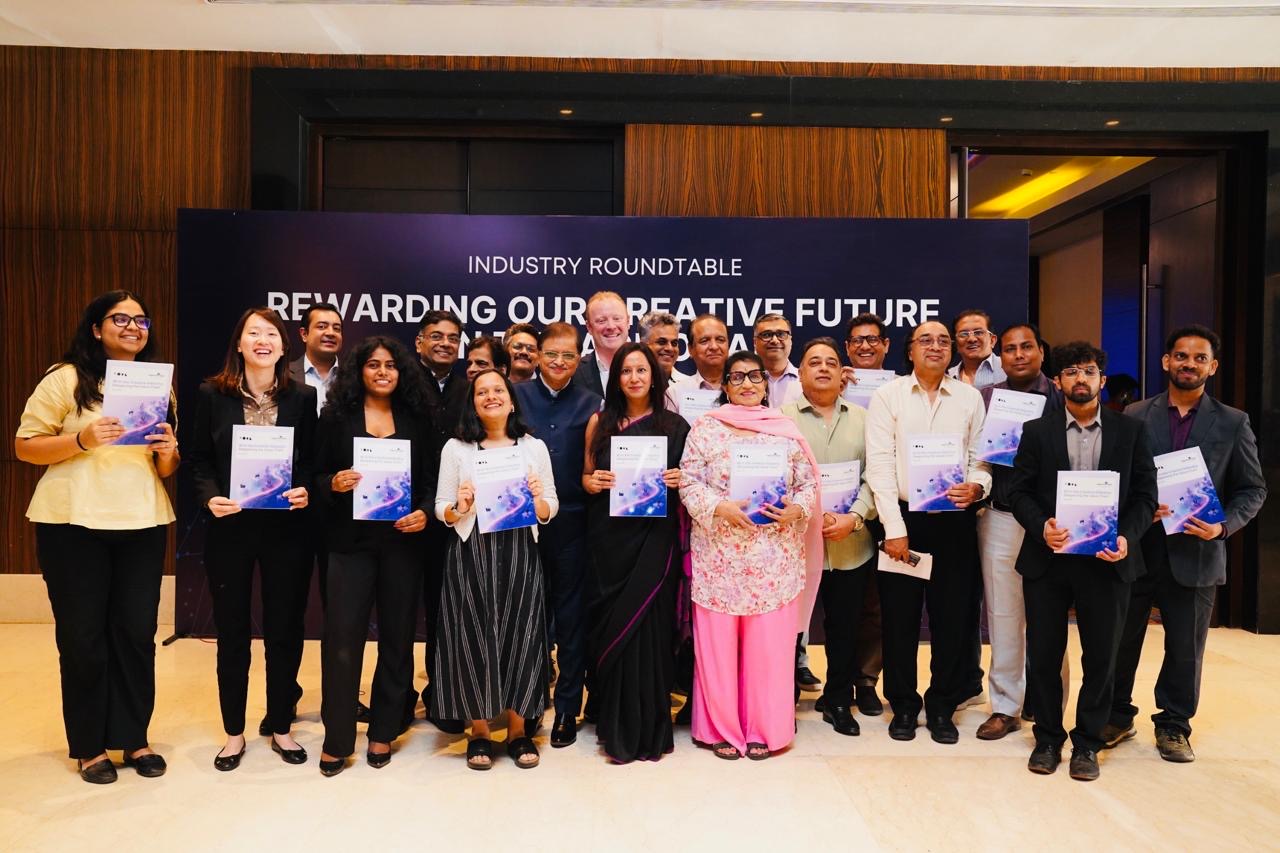
Industry leaders gathered at three roundtables held in Mumbai, Delhi, and Hyderabad to advocate for stronger copyright safeguards and responsible AI development frameworks centered around consent, voluntary licensing, and enforcement.
The discussions brought together representatives from the Motion Picture Association, Film Federation of India, Indian Music Industry, Producers Guild of India, Indian Broadcasting and Digital Foundation, and Indian Singers and Musicians Rights Association.
According to EY’s Stories, Scale and Impact: Unlocking India’s Media and Entertainment Economy report, India’s media and entertainment sector is valued at ₹2.78 trillion, contributes nearly 0.8% of the country’s GDP, and supports approximately 2.8 million direct jobs along with over 10 million indirect jobs. The sector is projected to surpass ₹3 trillion by 2027.
A separate 2025 MPA–Deloitte study highlighted that India’s film, television, and streaming industries generated approximately ₹5.1 lakh crore in economic output during 2024 and supported more than 2.6 million jobs nationwide.
During the roundtables, industry bodies urged policymakers to reject any proposals that would allow blanket access to copyrighted works for AI model training without proper authorization or licensing.
A whitepaper titled AI in the Creative Industry: Deepening the Value Chain, released by Koan Advisory in association with Creative First, highlighted how AI tools are already being responsibly adopted across India’s screen industries while preserving creativity and creator rights.
The New Delhi roundtable on Generative AI, Copyright and Intellectual Property was chaired by Sanjeev Sanyal. Participants raised concerns over proposals linked to granting AI companies access to copyrighted content at government-set rates and called for the continuation of India’s existing Copyright Act framework based on voluntary licensing.
Industry representatives emphasized that AI innovation and copyright protection can coexist and that respect for intellectual property is critical for sustainable innovation.
James Cheatley stated that strong copyright protections are the foundation of innovation in the AI era.
Abhay Sinha said:
“Digital India must not become free-for-all India—our creative works cannot be treated as raw material for someone else’s business model.”
Sanjay Tandon warned that unauthorized use of creative works by AI companies threatens artists, investment, and diversity in storytelling.
Blaise Fernandes noted that licensing partnerships between AI companies and copyright owners are already emerging globally and questioned why similar frameworks should not be adopted in India.
Nitin Tej Ahuja emphasized that respect for intellectual property remains central to India’s creative economy.
Avinash Pandey highlighted that India’s ambitions to become a global content hub depend on maintaining trust among creators and investors.
Leaders from the Telugu film industry also stressed the importance of stronger enforcement and creator protections.
Suresh Dagubatti said AI should empower creators rather than limit their ability to monetize their work.
Supriya Yarlagadda called for stronger safeguards against piracy and unlicensed content usage, while Dil Raju highlighted the role of copyright protections in supporting livelihoods across India’s creative ecosystem.
Rishi Raj added that strong copyright frameworks are essential to ensuring fair competition and keeping creators at the center of innovation in the generative AI era.
The industry roundtables form part of ongoing engagement between policymakers and India’s creative sectors on balancing AI advancement with copyright protection, cultural expression, and responsible innovation.
