


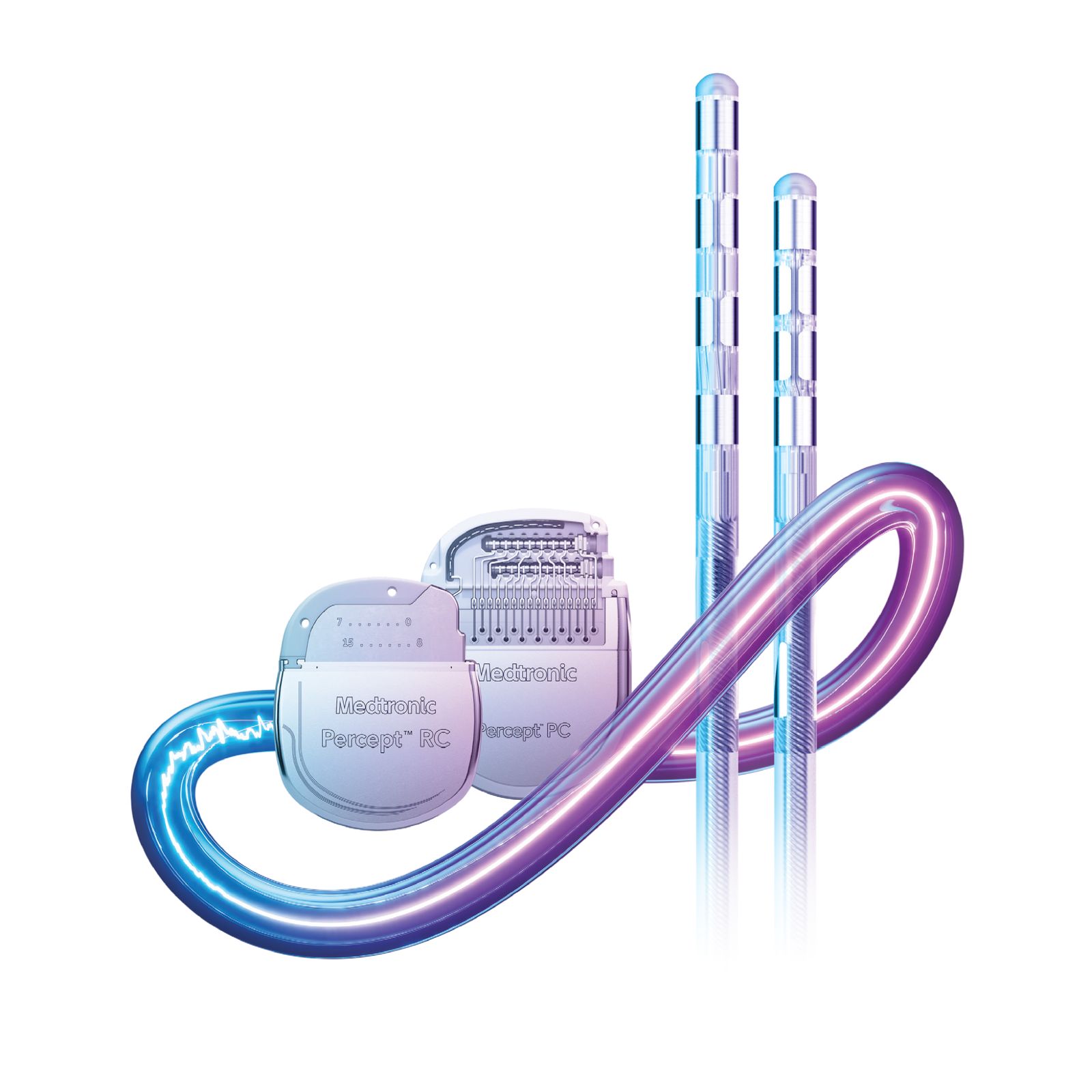
Bengaluru, Apr 23: Medtronic, a global leader in healthcare technology, today announced the launch of its Adaptive Deep Brain Stimulation (aDBS) system, an innovation over conventional DBS, in India to further improve quality of life of patients living with Parkinson’s disease.
The prevalence of Parkinson’s disease (PD) in India is roughly 10% of the global burden, which is a considerable public health concern.
Parkinson’s is a progressive neurological condition that can affect how a person moves and functions in everyday life. Over time, it may make routine activities such as walking, writing, or holding everyday objects more difficult. While movement-related challenges are often the most visible, the condition can also influence other aspects of daily living, including communication, sleep, and overall well‑being. Today, a range of treatment approaches help manage symptoms as the disease evolves. Care is typically tailored over time, with treatment pathways adjusted based on individual needs and clinical assessment by specialists.
Treatment options like Deep Brain Stimulation exist which involve manual adjustment of stimulation levels throughout the day, usually managed by patients or caregivers. Medtronic’s aDBS technology is designed to adapt real time to changes in a patient’s condition or medication needs—helping deliver more consistent symptom management. The aDBS system uses BrainSense™ technology, which has been approved by the U.S. Food and Drug Administration (FDA). 3-4
Adaptive deep brain stimulation (aDBS) is designed to automatically adjust therapy based on changes in brain signals or patient activity. By responding in real time, it aims to provide more consistent symptom control, minimize side effects, and help extend the life of the implanted device’s battery.
With India expected to witness a significant rise in Parkinson’s disease cases—projected to become the second-highest globally within the next five years7—the introduction of the aDBS system comes at a critical time. Although there is currently no cure for conditions such as Parkinson’s disease, deep brain stimulation (DBS) has been transforming the lives of patients with Parkinson’s and other neurological disorders for more than three decades. 5-6
DBS uses a small, pacemaker-like device, placed under the skin of the chest, to send electronic signals to an area in the brain that controls movement. To give you relief, these signals block some of the brain messages that cause the movement symptoms of Parkinson’s.
On the occasion, Prateek Tiwari, Senior Director, Neuroscience & Specialty therapies, Medtronic India said,
“We are extremely proud to introduce this advanced technology in India, where Parkinson’s disease is an increasingly significant healthcare concern. Our mission has always been to alleviate pain, restore health, and extend life, and the introduction of this system reflects our continued commitment to that mission. This milestone not only reaffirms our dedication to addressing the growing burden of Parkinson’s disease but also strengthens our leadership in bringing cutting-edge healthcare technologies to India to ultimately improve patients’ quality of life.’’
As the burden of a disease such as Parkinson’s will rise, continued investment in cutting-edge technologies will be essential to expanding access to better care, supporting clinicians with deeper insights, and ultimately improving the quality of life for patients across the country.
Patients considering deep brain stimulation (DBS) typically begin by consulting a Movement Disorder Specialist, usually a neurologist, who evaluates whether their condition may benefit from this therapy. DBS follows a coordinated, team-based approach, with patients often referred to a comprehensive DBS clinic or neurosurgery board for further assessment. If considered suitable, a Functional Neurosurgeon—specially trained to perform the procedure—works alongside the care team to implant and program the device.
All information contained herein is for general awareness purposes only, and nothing contained herein should be construed as medical advice or recommendation. Patients should consult their physician to discuss their conditions and seek relevant medical advice.
