


From Farm Waste to Valuable Resource
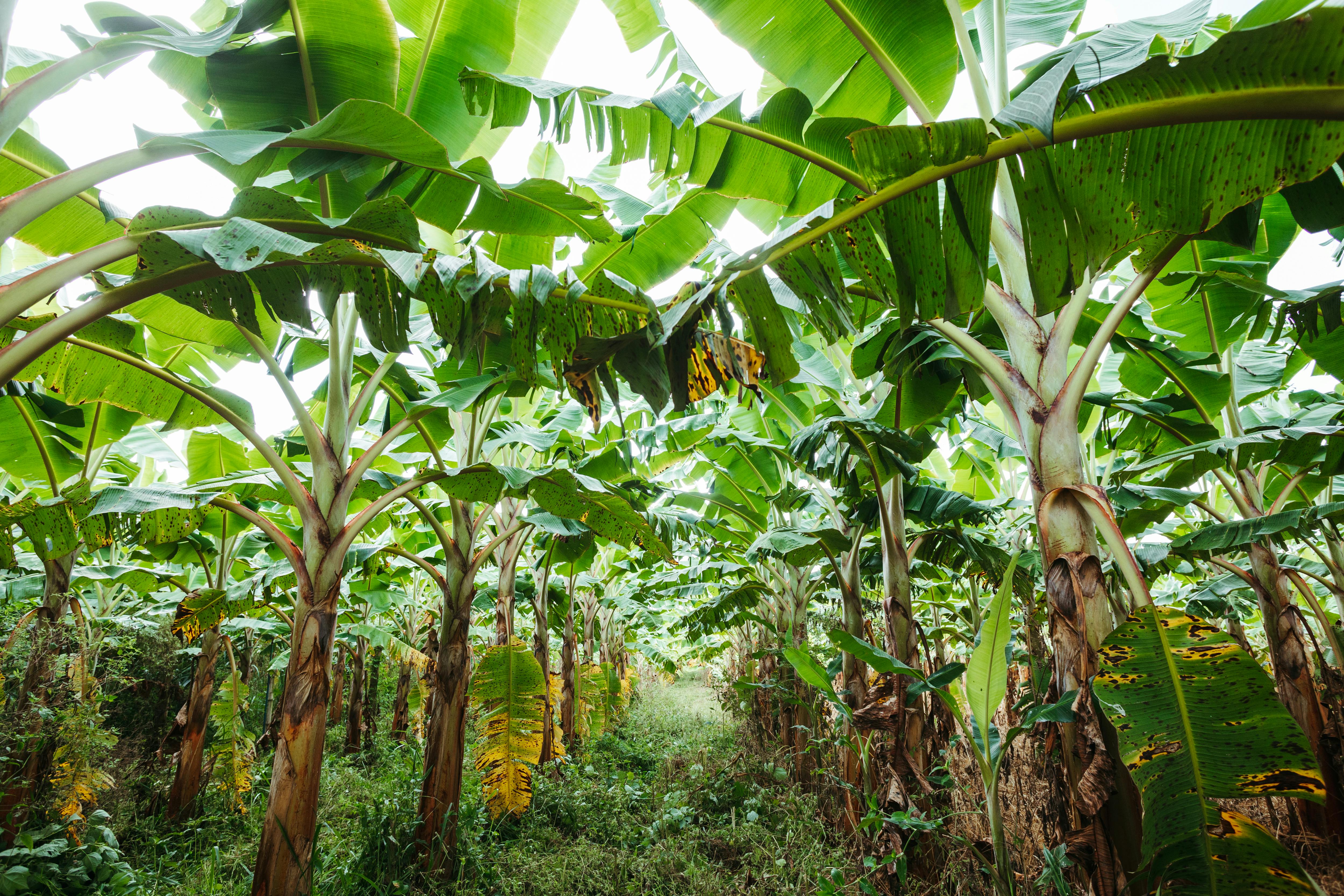
In India, bananas are everywhere. They are grown in large quantities, consumed daily, and form a strong part of the agricultural economy. But once the fruit is harvested, the rest of the plant—especially the thick stem—is usually thrown away.
That is where the real missed opportunity lies.
That “waste” is actually a valuable raw material called banana fiber. What was once ignored is now slowly turning into a source of income, innovation, and sustainability. The shift is simple but powerful—stop treating it as waste and start treating it as a resource.
What Makes Banana Fiber Valuable
Banana fiber is not just another natural material. It is strong, durable, and has a natural shine that makes it visually appealing as well.
More importantly, it is environmentally friendly. It does not need heavy chemical processing, and it breaks down naturally over time. Compared to synthetic materials, it has a much lower environmental impact. Even when compared to cotton, it requires fewer resources.
What makes it interesting is how flexible it is. The same fiber can be used to make fabric, ropes, paper, and even materials for industrial use.
That kind of versatility is rare.
A Boost for Rural Economy
For farmers, banana fiber changes the equation.
Earlier, the stem was just something to clear away after harvest. Now, it can be sold. That means additional income without extra farming effort.
Small processing units and local groups are beginning to work with this fiber, turning it into products that can be sold in different markets. In many places, this is also creating work opportunities, especially for women.
It is not a large-scale transformation yet, but the direction is clear. What was once wasted is now slowly becoming part of the income cycle.
Why Demand Is Growing Faster Now
The world is changing how it consumes.
There is increasing awareness about sustainability. People are questioning plastic, synthetic materials, and environmentally harmful products. Businesses are also under pressure to find alternatives.
Banana fiber fits perfectly into this shift.
It is natural, biodegradable, and aligns with the idea of responsible consumption. As a result, it is finding space in markets that value eco-friendly products.
This is not just a local trend. It is global. And that opens up bigger opportunities.
More Than Just a Traditional Material
Banana fiber is no longer limited to basic products.
It is being used in textiles, eco-friendly packaging, paper production, and even in industrial applications where lightweight and natural materials are preferred.
This expansion is important. It shows that banana fiber is not stuck in traditional use. It is adapting to modern needs.
And that is what makes it commercially relevant.
Environmental Advantages
One of the biggest strengths of banana fiber is its environmental impact.
It reduces waste. It reduces dependence on synthetic materials. And it supports the idea of using what we already have instead of creating more strain on resources.
Since it comes from an existing crop, there is no need for additional land or water. That makes it efficient and sustainable at the same time.
In a country like India, where both agriculture and environmental concerns are critical, this balance matters.
Where Innovation Is Taking It Next
What is pushing banana fiber forward is not just awareness, but innovation.
Better extraction methods are making the process faster and more practical. Designers are finding new ways to use the fiber in products that appeal to modern consumers. Businesses are exploring how to scale it.
At the same time, online platforms are helping small producers reach larger markets. What was once limited to local sales can now find buyers across regions and even internationally.
This shift is important. It turns a small idea into a scalable one.
A Sector That Is Quietly Growing
Banana fiber is not making headlines yet, but it is growing.
There is increasing interest from startups, support from government initiatives, and rising awareness among consumers. All the basic pieces are falling into place.
With the right push—better technology, training, and market connections—this sector can expand significantly.
It has the potential to strengthen rural economies while contributing to sustainable industry.
The Real Takeaway
Banana fiber is not a new invention. It has always been there.
What is new is how we are starting to see it.
Instead of ignoring it, we are beginning to understand its value. Instead of discarding it, we are finding ways to use it. That shift in thinking is what creates opportunity.
Because sometimes, growth does not come from creating something new.
It comes from finally using what we already have.
