


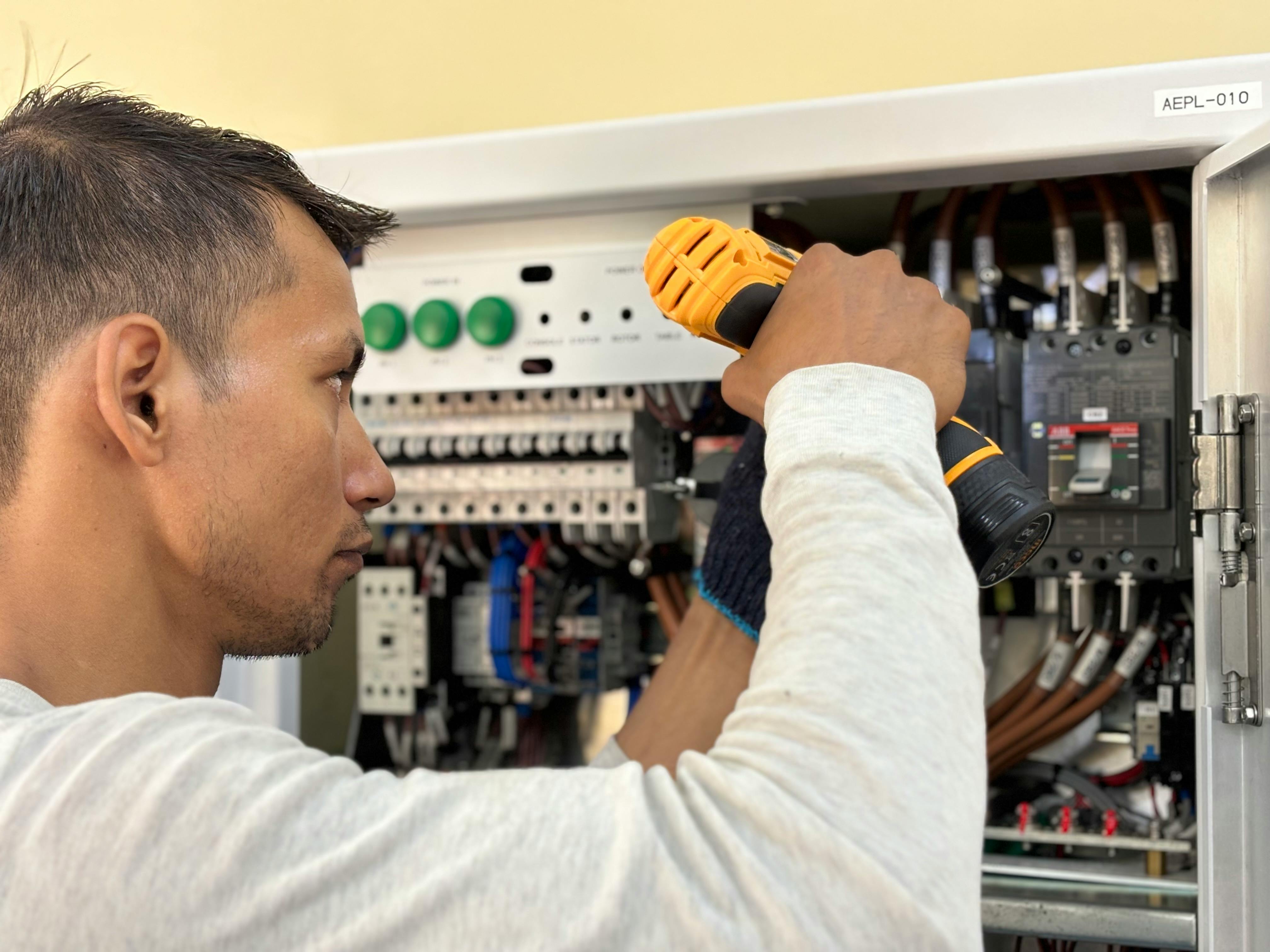
As India’s industrial and commercial sectors continue to expand, facilities such as factories, warehouses, office complexes, and logistics hubs rely heavily on electrical systems to keep operations running smoothly. From lighting and power distribution to automated equipment and safety systems, electrical infrastructure plays a crucial role in day-to-day facility management.
However, unexpected electrical failures can disrupt operations, halt production lines, and lead to costly downtime. To avoid such disruptions, many organizations in India are adopting a proactive approach by maintaining an inventory of essential electrical spare parts within their facilities. Having critical components readily available allows maintenance teams to respond quickly to issues and maintain operational continuity.
Reducing Operational Downtime
One of the biggest advantages of stocking electrical spare parts is the ability to minimize operational downtime. Electrical failures can bring production processes or commercial operations to a sudden stop. When replacement components are readily available, maintenance teams can address issues immediately and restore normal operations without delay.
In sectors such as manufacturing, logistics, and commercial real estate, downtime can lead to significant financial losses. Maintaining a stock of essential electrical components ensures that businesses can quickly resolve problems and prevent prolonged disruptions.
Faster Maintenance and Repairs
Electrical components such as circuit breakers, relays, switches, connectors, and fuses are used extensively in industrial and commercial facilities. Over time, these parts may require replacement due to wear and tear or unexpected faults.
Keeping these components in stock enables maintenance teams to carry out repairs quickly and efficiently. Instead of waiting for parts to arrive from suppliers, technicians can replace faulty components immediately, helping maintain productivity and smooth operations.
A well-organized inventory of spare parts also improves the efficiency of maintenance teams by ensuring they have the tools and components required to address issues promptly.
Cost Savings Through Planned Procurement
Maintaining a spare parts inventory can also lead to long-term cost savings. Emergency purchases often come with higher costs due to urgent shipping, limited supplier options, or last-minute procurement.
By stocking commonly used electrical components in advance, businesses can plan their purchases strategically and benefit from bulk procurement or negotiated supplier pricing. This approach reduces procurement costs and eliminates the need for expensive emergency purchases.
Additionally, preventing operational downtime often saves companies far more than the cost of maintaining spare parts inventory.
Protection Against Supply Chain Delays
Supply chain disruptions can sometimes delay the availability of electrical components, particularly when specialized equipment or imported parts are involved. Transportation delays, regulatory processes, or market shortages can extend delivery timelines.
Keeping essential electrical spare parts within the facility ensures that maintenance teams can continue operations even when supply chains face disruptions. This preparedness helps businesses avoid operational delays caused by unavailable components.
For facilities located in industrial clusters or remote locations, maintaining an inventory of critical parts can be particularly beneficial.
Supporting Preventive Maintenance
Preventive maintenance is an important practice for maintaining electrical systems in modern facilities. Instead of waiting for equipment to fail, maintenance teams regularly inspect and replace components that show signs of wear.
When spare parts are readily available, technicians can replace worn components during scheduled maintenance activities. This proactive approach helps prevent unexpected breakdowns and extends the lifespan of electrical equipment.
Preventive maintenance also improves system reliability and reduces the likelihood of major repairs in the future.
Enhancing Workplace Safety
Electrical faults can create serious safety risks, including fire hazards, equipment damage, and potential injuries to employees. Having replacement components readily available allows maintenance teams to quickly address faulty electrical systems and maintain a safe working environment.
Regular replacement of damaged switches, wiring components, and protection devices helps ensure that electrical systems operate safely and reliably. Maintaining proper electrical infrastructure also supports compliance with workplace safety standards.
Improving Facility Efficiency
Many modern facilities rely on automated systems, energy-efficient equipment, and smart monitoring technologies. Electrical components such as sensors, controllers, and power modules play a vital role in ensuring these systems function properly.
Keeping spare parts for these systems ensures that automated equipment and energy-efficient infrastructure continue operating without interruption. A reliable inventory of electrical components supports consistent performance and improves overall facility efficiency.
Conclusion
Maintaining a stock of essential electrical spare parts is a practical strategy for businesses operating industrial and commercial facilities in India. It allows organizations to reduce downtime, improve maintenance efficiency, and ensure faster response to electrical issues.
By adopting a proactive spare parts management approach, businesses can strengthen operational reliability, enhance workplace safety, and protect their facilities from unexpected disruptions. In a fast-growing industrial environment, preparedness and efficient maintenance practices are key to ensuring smooth and uninterrupted operations.
