


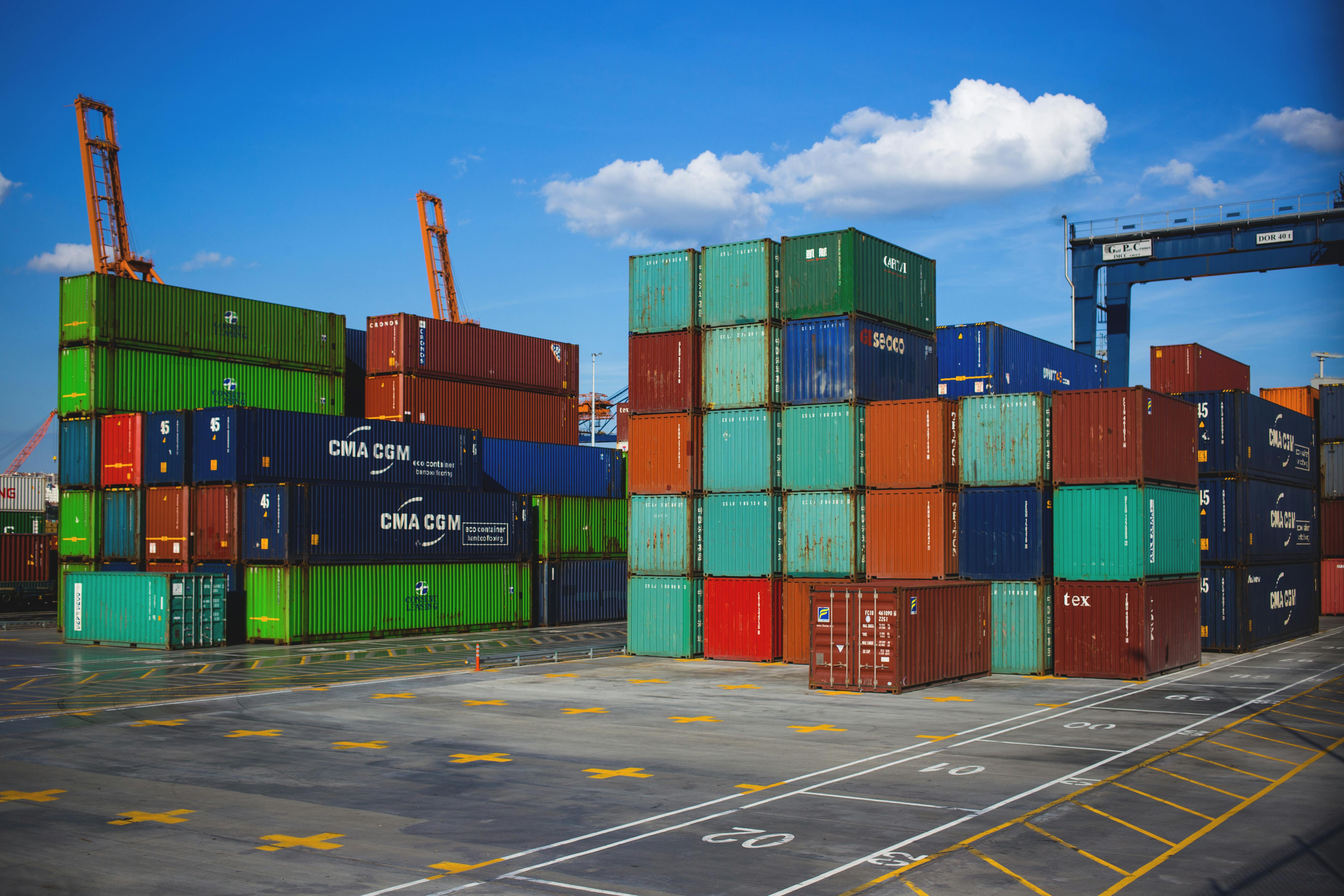
Mar 7: The world today is navigating through a phase of deep geopolitical uncertainty. Conflicts, rising diplomatic tensions, and disruptions to global trade are reshaping the international landscape. While India is geographically distant from many of these flashpoints, it remains closely tied to global markets, energy supplies, and international trade networks.
Recent tensions involving Iran, Israel, and the involvement of the United States have added to global instability, sending shockwaves across financial markets and commodity prices. For India, these developments do not remain distant headlines—they translate into real economic and strategic challenges.
Yet, India’s growing economic strength and balanced foreign policy also position the country to manage these uncertainties with resilience.
Why Distant Conflicts Still Matter for India
In an interconnected world, no economy operates in isolation. A conflict thousands of kilometres away can affect fuel prices at Indian petrol pumps, influence the cost of goods in markets, and even impact stock market movements.
India is deeply integrated into global trade networks. It imports energy, exports manufactured goods and services, and maintains economic relationships across continents. When global tensions rise, supply chains become fragile, transportation costs increase, and market sentiment becomes unpredictable.
For a rapidly growing economy like India, these external developments must be monitored closely.
Energy Prices: The Most Immediate Concern
One of the most visible effects of global unrest is the volatility in oil and gas markets.
India relies heavily on imported crude oil to power its economy. When tensions escalate in major energy-producing regions, global oil prices often rise sharply. This directly increases India’s import bill.
The ripple effect can be felt across everyday life:
-
Fuel prices become more expensive
-
Transportation costs rise
-
Manufacturing becomes costlier
-
Food prices may increase due to higher logistics costs
In simple terms, global instability can gradually translate into higher living costs for households and businesses in India.
Trade and Supply Chains Under Pressure
Another key concern during periods of global unrest is disruption to international trade routes. Shipping lanes and maritime corridors play a vital role in global commerce, and instability in certain regions can slow down the movement of goods.
For India, such disruptions may affect industries that depend on imported raw materials or components. Sectors like pharmaceuticals, electronics, chemicals, and manufacturing rely on global supply chains.
If shipping costs rise or routes become uncertain, businesses may face delays, increased production costs, or difficulty sourcing essential materials. This can impact exports and industrial growth.
Inflation and Household Budgets
When global tensions push up energy and transport costs, the impact eventually reaches household budgets.
Higher fuel prices affect everything from groceries to electricity bills. Farmers may face higher input costs, manufacturers may pass on price increases to consumers, and logistics companies may raise transportation charges.
Over time, this can lead to inflationary pressure across the economy, forcing policymakers to balance economic growth with price stability.
Financial Markets React to Global Uncertainty
Global unrest also influences investor sentiment. When geopolitical risks rise, financial markets often react with caution.
International investors sometimes move their capital toward safer assets during uncertain times. This can lead to fluctuations in stock markets and currency values in emerging economies.
India’s markets are generally supported by strong domestic investment and consumption, but they are not immune to global shocks. Short-term volatility can occur as investors respond to changing global conditions.
The Human Dimension: Indian Workers Abroad
Another important aspect often overlooked is the impact on Indian citizens working overseas.
Millions of Indians are employed in different parts of the world, including regions that may be affected by geopolitical tensions. These workers contribute significantly to the Indian economy through remittances sent home to their families.
Any instability in host countries could affect employment opportunities or income flows. For many families in India, remittances form a vital part of household income.
India’s Diplomatic Balancing Act
In a fragmented geopolitical environment, diplomacy becomes as important as economics.
India maintains relationships with a wide range of countries and global partners. Rather than aligning strictly with one bloc, India has adopted a policy of strategic autonomy, allowing it to engage constructively with multiple sides.
This balanced approach helps India:
-
Secure energy supplies from different regions
-
Maintain stable trade relationships
-
Protect the interests of its diaspora
-
Avoid being drawn into global conflicts
Such diplomatic flexibility is increasingly valuable in a world marked by shifting alliances.
Opportunities Hidden in Global Shifts
While global unrest creates challenges, it can also open new opportunities.
As companies look to reduce dependence on unstable regions, many are seeking alternative manufacturing hubs and supply chain partners. India, with its large workforce, expanding infrastructure, and growing industrial base, is well placed to attract such investments.
Global shifts could accelerate:
-
Manufacturing growth
-
Technology investments
-
Supply chain diversification
-
India’s role in global trade networks
In many ways, geopolitical change may strengthen India’s position as a reliable economic partner in an uncertain world.
A Resilient Path Ahead
India’s economy has faced global shocks before—from financial crises to pandemics—and has continued to grow through resilience and adaptability.
Today, the country benefits from strong domestic demand, expanding infrastructure, and a growing digital economy. These factors provide a buffer against global volatility.
While global unrest may create short-term challenges in energy prices, trade flows, and financial markets, India’s long-term growth story remains firmly intact.
Conclusion
Global unrest is reshaping the political and economic landscape of the world. For India, the impact will be felt through energy markets, trade routes, investment flows, and diplomatic priorities.
However, India’s ability to balance international relationships, strengthen domestic industries, and adapt to changing global conditions gives it a significant advantage.
In a world marked by uncertainty, India’s resilience, strategic thinking, and economic potential may ultimately turn global challenges into opportunities for long-term growth.