

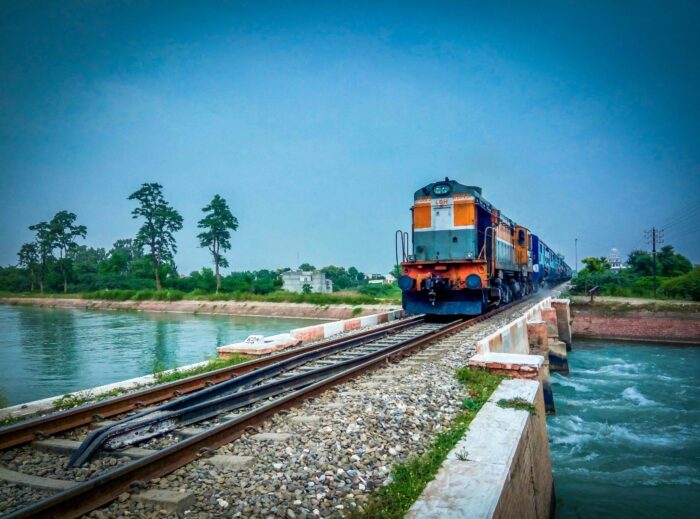
How Gen Z’s Focus on Sustainable, Budget-Friendly, and Experiential Travel Is Driving the Rise of Rail Journeys in India
Introduction to the Trend Shift
Travel preferences among Generation Z in India are undergoing a noticeable transformation. Unlike previous generations that equated air travel with convenience and status, Gen Z is increasingly choosing rail journeys over flights. This shift is driven by a combination of environmental awareness, cost considerations, evolving lifestyle values, and a desire for more meaningful travel experiences.
As India’s youngest travelers redefine what “good travel” means, railways are emerging as more than just a mode of transport—they are becoming an experience in themselves. This trend signals a broader change in India’s travel ecosystem, with long-term implications for airlines, tourism boards, and infrastructure planners alike.
Understanding Gen Z’s Travel Preferences
Generation Z, broadly defined as individuals born between 1997 and 2012, approaches travel very differently from millennials or Gen X. As digital natives, Gen Z values authenticity, flexibility, and experiences over luxury and speed. Travel, for them, is less about reaching a destination quickly and more about the journey itself.
Budget-conscious yet experience-driven, Gen Z travelers prefer affordable options that allow them to explore more frequently. Rail travel in India aligns perfectly with this mindset—offering economical fares, extensive connectivity, and immersive travel experiences across diverse regions. Scenic routes, spontaneous interactions, and cultural exposure during train journeys resonate deeply with this generation’s desire for genuine, grounded travel.
Sustainability also plays a critical role. Gen Z is far more likely to factor environmental impact into their travel decisions, making rail travel an attractive alternative to air travel.
Environmental Impact: Rail Travel vs Air Travel
Environmental consciousness is one of the strongest drivers behind Gen Z’s preference for rail journeys. Studies consistently show that train travel generates significantly lower carbon emissions than flying—often up to 70–75% less per passenger on comparable routes. For a generation deeply concerned about climate change, this difference matters.
Indian Railways has further strengthened its eco-friendly credentials through initiatives such as large-scale electrification, solar-powered stations, bio-toilets, and energy-efficient locomotives. The government’s ambitious goal of achieving net-zero carbon emissions for Indian Railways by 2030 adds to the appeal.
By choosing trains over flights, Gen Z travelers feel they are making responsible choices that align with their values, reinforcing rail travel as a sustainable and ethical mode of transport.
Affordability and Accessibility of Rail Travel in India
Cost remains a decisive factor for young travelers, and rail travel in India continues to be one of the most affordable ways to cover long distances. With multiple travel classes—ranging from general and sleeper coaches to premium options—Indian Railways caters to a wide spectrum of budgets.
Digital advancements have also made rail travel more accessible. Online ticket booking, mobile apps, e-catering services, and real-time updates have eliminated much of the friction traditionally associated with train travel. These improvements strongly appeal to Gen Z, which values convenience and digital-first experiences.
The extensive rail network, connecting major cities with smaller towns and rural areas, allows Gen Z travelers to explore lesser-known destinations—something air travel often cannot offer affordably.
Comfort and the New Rail Travel Experience
Modernization efforts have significantly reshaped the perception of train journeys in India. Upgraded coaches, improved seating layouts, cleaner facilities, and better onboard services have elevated comfort levels across many routes.
Trains like Vande Bharat Express and upgraded long-distance services now offer amenities such as ergonomic seating, improved suspension, onboard infotainment, and enhanced catering. These upgrades challenge the outdated notion that rail travel is inherently uncomfortable.
For Gen Z travelers, who often combine leisure with remote work or content creation, features like onboard Wi-Fi, charging ports, and comfortable seating make train journeys both productive and enjoyable.
Social and Cultural Appeal of Rail Journeys
One of the most unique advantages of rail travel is its social dimension. Trains naturally create shared spaces that encourage conversations, interactions, and cultural exchange. For Gen Z, which values community and storytelling, this social aspect is a major draw.
Traveling by train allows young explorers to witness India’s diversity firsthand—from regional cuisines sold by vendors to conversations with fellow passengers from different backgrounds. These moments of connection are often absent in air travel, which tends to be more transactional and isolated.
Social media further amplifies this appeal. Scenic train routes, station life, and spontaneous encounters make for compelling content, encouraging more Gen Z travelers to document and share their rail journeys online.
Technological Advancements in Indian Railways
Indian Railways’ focus on technology has played a key role in attracting Gen Z travelers. Features such as app-based ticketing, digital payments, real-time train tracking, and instant notifications align perfectly with the expectations of a tech-savvy generation.
Enhanced onboard connectivity and improved digital customer support systems have reduced uncertainty and improved reliability. These upgrades help position rail travel as a modern, efficient option rather than a legacy system.
As technology continues to reshape rail operations, the gap between the convenience of air travel and rail travel is steadily narrowing.
Challenges and Limitations of Rail Travel
Despite its growing popularity, rail travel in India still faces challenges. Overcrowding during peak seasons, occasional delays, and uneven infrastructure quality can affect the travel experience. For Gen Z travelers who value efficiency and comfort, these issues can be frustrating.
While modernization is underway, many stations and services still require upgrades to meet evolving expectations. Addressing these challenges will be crucial for Indian Railways to sustain and expand its appeal among younger travelers.
Future Outlook: Will This Trend Continue?
The shift toward rail travel among Gen Z in India appears to be more than a passing phase. As sustainability concerns intensify and rail infrastructure continues to improve, trains are likely to remain a preferred choice for young travelers.
Future investments in high-speed rail corridors, smarter stations, and enhanced onboard experiences could further strengthen this trend. At the same time, growing scrutiny of aviation’s environmental impact may push more travelers toward rail alternatives.
Ultimately, the longevity of this trend will depend on how effectively Indian Railways continues to adapt to the evolving expectations of Generation Z—balancing affordability, sustainability, technology, and experience.
Conclusion
The rising preference for rail journeys over air travel among Gen Z in India reflects a deeper shift in values. This generation is redefining travel by prioritizing sustainability, affordability, authenticity, and meaningful experiences. As rail travel evolves to meet these expectations, it is poised to play a central role in shaping the future of India’s travel landscape.