

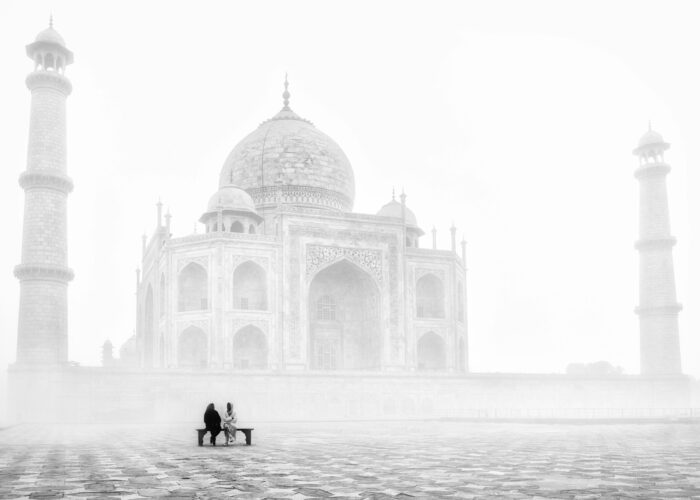
Introduction to the Eastward Shift in Global Travel Trends
In recent years, global travel patterns have witnessed a decisive shift eastward, with travellers increasingly seeking destinations that offer authenticity, depth, and transformative experiences. At the heart of this movement lies India, a country whose extraordinary blend of culture, history, spirituality, and natural diversity is redefining how the world travels.
As seasoned travellers grow weary of over-commercialised Western hotspots, India stands out as a destination that delivers immersive journeys rather than checklist tourism. Improved global connectivity, expanded air routes, digital visas, and a growing emphasis on experiential travel have made India more accessible and appealing than ever before.
Beyond convenience, this shift reflects a deeper cultural curiosity. Travellers today want stories, meaning, and human connection—qualities that India offers in abundance. From ancient traditions to contemporary creativity, the Indian experience embodies a journey of discovery that goes far beyond sightseeing.
Rich Cultural Heritage: A Living Tapestry of Traditions
India’s cultural heritage spans over 5,000 years, making it one of the world’s oldest living civilizations. Every region tells a distinct story through its architecture, rituals, languages, and customs, offering travellers an unparalleled depth of cultural exploration.
Vibrant festivals such as Diwali, Holi, Durga Puja, Eid, and Pongal transform cities and villages into immersive cultural theatres. These celebrations are not just events—they are lived experiences where visitors participate in age-old traditions, music, dance, and community feasts.
India’s artistic legacy further enriches the journey. Classical dance forms like Bharatanatyam, Kathak, and Odissi, alongside centuries-old music traditions, narrate epic stories and spiritual philosophies. Handicrafts, textiles, pottery, and metalwork reflect regional identities, allowing travelers to engage directly with artisans and cultural custodians.
With over 1,600 spoken languages and dialects, India’s cultural diversity fosters meaningful interactions that turn visitors into participants rather than observers—one of the strongest reasons global travelers are looking east.
A Thriving Culinary Scene: India’s Global Gastronomic Appeal
India’s culinary landscape is a major driver of its growing global appeal. Each region offers a distinctive flavor profile shaped by geography, climate, and history—from buttery North Indian curries to coconut-based South Indian delicacies and spice-forward Eastern cuisines.
Street food culture is central to the Indian experience. Iconic dishes like pani puri, vada pav, momos, and chaat offer travelers an authentic taste of everyday India, often served in bustling markets that reveal the rhythm of local life.
Simultaneously, India’s fine-dining scene is gaining international recognition. Award-winning chefs are reimagining traditional recipes with contemporary techniques, elevating Indian cuisine on the global stage while staying rooted in heritage.
Health-conscious travelers are also drawn to Indian food’s natural alignment with wellness trends. Ingredients like turmeric, ginger, lentils, and fermented foods highlight India’s centuries-old understanding of balanced, nutritious eating.
Spiritual Tourism: Seeking Meaning Beyond Travel
India has long been a spiritual beacon, and today, spiritual tourism is one of the country’s fastest-growing travel segments. Visitors arrive not just to see India, but to experience inner transformation.

Destinations like Varanasi, the spiritual heart of India, offer deeply moving encounters with ancient rituals along the Ganges. Meanwhile, Rishikesh, the global capital of yoga, attracts wellness seekers, digital nomads, and spiritual practitioners from across the world.
Pilgrimage circuits—Buddhist trails, Char Dham, Sikh gurudwaras, and Sufi shrines—bring together travelers of diverse backgrounds, fostering cross-cultural understanding and shared humanity. This fusion of travel and spirituality positions India as a destination for both personal growth and cultural exchange.
Natural Wonders: From the Himalayas to Tropical Shores
India’s geographical diversity is unmatched. The Himalayas offer snow-capped peaks, trekking routes, and meditative mountain escapes, while destinations like Ladakh and Himachal Pradesh cater to adventure seekers and slow travelers alike.
Along the coast, India’s beaches provide everything from lively seaside towns to untouched stretches of sand. Goa, Kerala, Andaman Islands, and Gokarna attract travelers seeking relaxation, water sports, and sustainable coastal experiences.
Wildlife tourism adds another dimension. National parks such as Jim Corbett, Ranthambore, and Bandhavgarh allow travelers to experience India’s rich biodiversity while supporting conservation and eco-tourism initiatives.

Emerging Destinations: Discovering India Beyond Icons
Modern travelers increasingly seek destinations that feel undiscovered—and India delivers. Regions like Majuli (Assam), the world’s largest river island, offer cultural immersion and slow travel experiences rooted in local traditions.
Ziro Valley (Arunachal Pradesh) blends natural beauty with indigenous culture and contemporary music festivals, while Gokarna (Karnataka) provides a serene alternative to commercial beach tourism.
These emerging destinations highlight India’s evolving tourism narrative—one that prioritizes authenticity, sustainability, and community-led travel.
Connecting with Locals: The Rise of Immersive Travel
Immersive travel is reshaping how visitors experience India. Homestays, village tourism, heritage walks, and craft workshops allow travelers to engage deeply with local communities.
Staying with local families offers insights into daily life, cuisine, and customs, while community-led tours reveal stories often absent from guidebooks. Hands-on workshops in weaving, pottery, cooking, and farming help preserve traditions while empowering local artisans.
This shift toward meaningful engagement transforms tourism into a two-way exchange—benefiting both travelers and host communities.
Challenges and Responsible Travel Considerations
While India offers extraordinary experiences, mindful travel is essential. Health precautions, cultural sensitivity, and environmental awareness play a crucial role in ensuring a positive journey.
Travelers are encouraged to follow food and water safety practices, respect dress codes at religious sites, and remain aware of regional customs. Supporting eco-friendly accommodations, reducing plastic use, and choosing responsible tour operators help preserve India’s natural and cultural heritage.
Responsible travel not only enhances personal experiences but also ensures tourism contributes positively to local communities and ecosystems.
Conclusion: India’s Enduring Global Appeal
India’s rise as a global travel inspiration is no coincidence. Its rare ability to blend ancient wisdom with modern innovation, diversity with unity, and tradition with creativity makes it one of the world’s most compelling destinations.
From cultural depth and culinary richness to spiritual exploration and immersive travel, the India experience resonates deeply with modern travelers seeking purpose, connection, and authenticity.
As global tourism continues to evolve, India is not just following trends—it is shaping them. For travelers looking east for inspiration, India stands as an invitation to explore, reflect, and rediscover the true meaning of travel.