

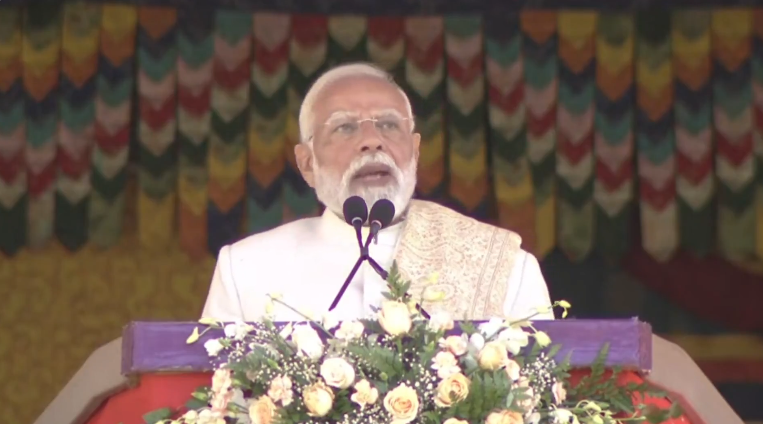
As India steps into the festive glow of Christmas and New Year, Prime Minister Narendra Modi has once again placed the spotlight on the heartbeat of India’s economic revival—Swadeshi. In his latest Mann Ki Baat address, the Prime Minister urged citizens to welcome the season with the mantra of “Vocal for Local”, celebrating not just festivities but the craftsmanship, resilience, and innovation of 140 crore Indians.
This renewed call arrives at a moment when India’s domestic consumption, tourism potential, and grassroots entrepreneurship are witnessing a transformative shift.
A New Festive Wave: Swadeshi Shopping Becomes a National Mood
Modi expressed delight at the visible behavioural change in Indian consumers this year. Markets across the country saw a noticeable rise in the demand for Indian-made goods—from small artisans and weavers to local brands and craft clusters.
“People were willingly choosing Indian products,” the Prime Minister noted, “and even the smallest shopkeepers felt this change.” Youth participation, especially through social media and online marketplaces, has given the movement new momentum.
With another surge in festive shopping expected through December, Modi reiterated:
Buy only what is made in India. Celebrate the hard work of your fellow citizens.
The message is clear: Swadeshi is no longer just a sentiment—it is becoming a lifestyle.
Swadeshi shopping to winter tourism, PM @narendramodi urges support for India-made goods #MannKiBaathttps://t.co/Att4Tg12DC
via NaMo App pic.twitter.com/FEhgJqHSQu
— PMO India (@PMOIndia) December 1, 2025
Gifting Indian Craft to the World: A Diplomatic Touch of Swadeshi
PM Modi also shared how the G-20 Summit became a global showcase of India’s artisanal excellence. Each gift presented to world leaders was carefully chosen to reflect India’s heritage:
-
Bronze Nataraja from Thanjavur → Presented to South Africa’s President
-
Silver horse from Udaipur → Gifted to Canada’s Prime Minister
-
Silver Buddha from Karimnagar, Telangana → For the Japanese Prime Minister
-
Karimnagar silver mirror → Gifted to Italy’s Prime Minister
-
Brass uruli from Kerala → Presented to Australia’s Prime Minister
These gifts served as ambassadors of India’s craftsmanship, placing local artisans on the global stage.
Swadeshi Meets Winter Tourism: A New Economic Opportunity
This festive season, the Prime Minister has also urged Indians to rediscover the Himalayas and explore India’s winter tourism gems. As global travel trends shift post-pandemic, domestic tourism has emerged as one of India’s strongest growth drivers—and the Swadeshi movement is complementing it in powerful ways.
How Swadeshi Is Boosting Winter Tourism
-
Local Crafts and Winter Markets:
Traditional woollens, Himalayan handcrafted ornaments, regional snacks, and souvenirs are witnessing a surge in demand as tourists consciously prefer Indian products. -
Eco-stays and Homestays Flourish:
Swadeshi-inspired travel encourages visitors to choose local homestays, family-run lodges, and community-based tourism—directly benefitting rural economies. -
Revival of Winter Festivals:
Events in Ladakh, Himachal, Uttarakhand, Kashmir, and Northeast India are attracting more domestic travellers, driving local employment. -
Strengthening Border Economies:
Increased footfall in Himalayan states supports micro-businesses, transport services, guides, and handicraft clusters.
Swadeshi, therefore, is expanding beyond shopping—it is becoming a catalyst for regional tourism and heritage-based economic revival.
A Stronger Economic Backbone: Growth Driven by Consumption and Local Industries
Modi’s appeal also aligns with India’s strong economic performance. The country recorded:
- 8.2% GDP growth (July–September)
The highest in six quarters, driven by manufacturing, financial services, and domestic consumption.
- Record 357 million tonnes of foodgrain production in 2025
A remarkable 100-million-tonne rise in a decade.
- Honey production doubling in 11 years
From 76,000 tonnes to over 150,000 tonnes, boosting rural incomes and export potential.
- Rapid progress in tech and defence
From ISRO’s drone competitions to the induction of INS Mahe, the nation is steering confidently toward self-reliance.
Together, these indicators show how Swadeshi ethics and modern innovation are reshaping India’s economic landscape.
The New Swadeshi: A Movement Rooted in Pride, Purpose, and Progress
The government’s digital initiative, “Celebrate Diwali and Empower Swadeshi,” has now evolved into a winter movement—asking citizens to share their Indian-made purchases online and inspire others.
What began as a cultural revival is now becoming a powerful economic engine.
Why Swadeshi Matters Today
-
It strengthens local industries and MSMEs
-
Supports craft clusters and artisans
-
Reduces import dependency
-
Fuels domestic tourism and rural economies
-
Builds national pride and identity
-
Contributes to Atmanirbhar Bharat
The modern Swadeshi movement is no longer limited to traditional goods—it embraces startups, innovation, sustainable farming, indigenous technology, and local tourism.
Conclusion: A Season of Celebration—And Self-Reliance
As India enters the final weeks of the year, the festive spirit merges seamlessly with a renewed sense of economic responsibility. Prime Minister Modi’s message is both a reminder and an invitation:
Celebrate with Indian-made products.
Travel to Indian destinations.
Support Indian talent.
Be proud to say—Garv Se Kaho, Yeh Swadeshi Hai.
With Swadeshi shaping consumer choices and winter tourism gaining momentum, India is poised for a season of robust economic energy—powered not by macro policies alone, but by millions of individual choices.